24 Hour Emergency HVAC Service: What to Do Before Help Arrives
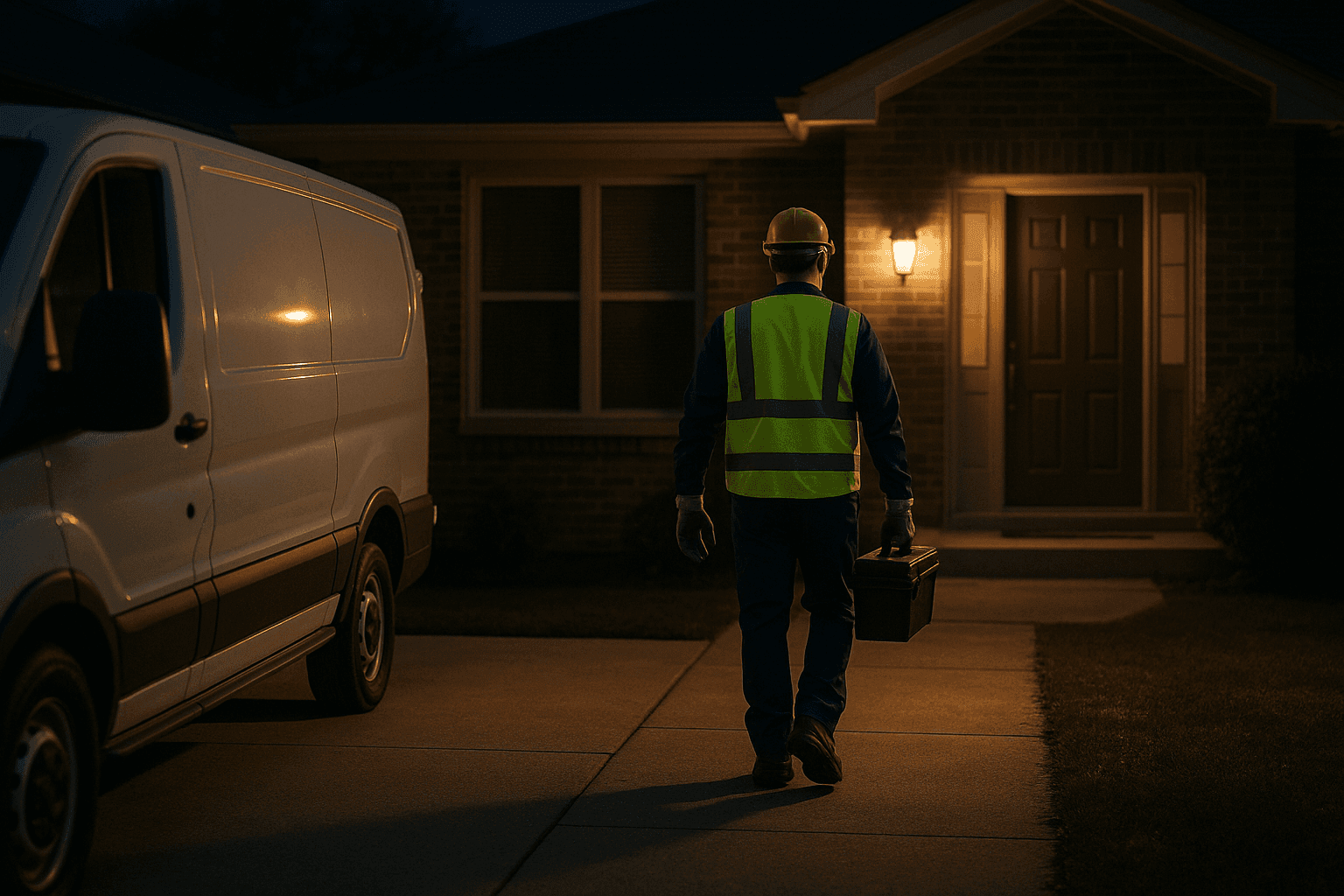
Emergencies rarely wait for business hours. Your furnace goes silent on a freezing night, or the AC sputters out just as a summer heatwave hits. Maybe you smell gas, spot a mysterious puddle, or hear electrical crackling. It’s stressful, even scary—but you’re not alone.
At Holmes Heating & Air, we know how urgent these moments feel. Our licensed, background-checked technicians are ready 24/7, and we’re here to help you handle the crisis safely until we arrive. This guide will walk you through what qualifies as an HVAC emergency, crucial first steps, and how to protect your home or business before help gets to your door.
What Qualifies as an HVAC Emergency?
Not every hiccup means you need to call in the cavalry at 2 a.m., but some situations just can’t wait. Here’s what counts as a true HVAC emergency:
- No Heat in Freezing Weather: If your heating system fails when temps drop near or below freezing, it’s urgent. Risk of frozen pipes or unsafe living conditions is real.
- AC Failure During Extreme Heat: In sweltering conditions—especially for young kids, older adults, or those with health issues—no cooling can quickly become dangerous.
- Gas Odor: If you smell rotten eggs or sulfur, it could be a gas leak. This is always an emergency.
- Electrical Issues: Sparking, smoking, or burning smells from your HVAC system can signal fire risk.
- Water Leaks: Major leaks around your system can quickly damage floors, walls, or ceilings.
- Strange Noises or Vibrations: Loud bangs, screeches, or rattling, especially with system failure, can mean mechanical breakdown.
When in doubt, it’s always safer to call. Our 24 Hour Emergency Service near Sioux Falls is here whenever you need us.
Quick Safety Checklist 🛑
Before anything else, your safety comes first. If you suspect danger, act fast:
- Smell Gas? Turn off the system if safe, evacuate, and call 911 or your gas company.
- See Sparks or Smoke? Cut power at your circuit breaker. Do not touch the unit.
- Major Water Leak? Shut off water to the unit if possible and unplug nearby electronics.
- No Heat or AC? Bundle up or seek a cool spot. Check on vulnerable family members or coworkers.
- Ventilation Issues? Open windows if you suspect poor air quality or carbon monoxide.
- Don’t Attempt Risky Repairs: Avoid opening panels or handling wiring unless you’re trained.
Reference: The U.S. Consumer Product Safety Commission and National Fire Protection Association both recommend leaving dangerous situations to professionals.
DIY vs. Call a Pro
It’s tempting to play detective. But HVAC systems are complex—think of them like a car’s engine, humming along behind the scenes with intricate parts. Here’s what you can safely check:
- Thermostat: Make sure it’s set correctly and has working batteries.
- Breaker Panel: See if a breaker has tripped.
- Air Filter: A clogged filter can cause shutdowns. Replace if dirty.
- Vents & Registers: Ensure they’re not blocked by furniture or debris.
But if you’re facing leaks, electrical problems, or gas odors, stop there. Call a licensed pro. Our team is trained in everything from Mini-Splits near you to advanced heating repair—no guesswork required.
What Pros Do On Arrival
When Holmes Heating & Air arrives, here’s what you can expect:
- Assessment: We listen to your concerns and perform a safety check.
- Diagnostics: Using specialized tools, we pinpoint the problem—whether it’s a failed part, refrigerant loss, or a hazardous leak.
- Transparent Communication: We’ll explain what’s wrong, your options, and the next steps—no surprises.
- Fast Action: Licensed and insured, our technicians fix the issue safely and efficiently, using proper parts and code-compliant methods.
- Clean-Up: We respect your space, leaving things tidy and safe.
How to Minimize Damage Before Help Arrives
Every minute counts in an emergency. Here’s how you can help limit damage:
- Contain Water Leaks: Use towels or buckets to catch drips. Move valuables away.
- Protect Electronics: Unplug devices near affected areas.
- Airflow: If safe, open windows to air out fumes or reduce overheating.
- Document: Snap photos of damage for insurance if needed.
- Record Details: Note when the issue started, what you observed, and any steps you took.
What Info to Provide Your Service Provider 📞
When you call our 24-hour line, have this info ready to help us help you faster:
- Your Address and Contact Info
- Type of System: (Furnace, AC, Mini-Split, etc.)
- What’s Happened: Describe the issue clearly.
- Any Unusual Smells, Noises, or Leaks
- What You’ve Tried: Let us know if you’ve reset the system or changed the filter.
- Special Concerns: Kids, pets, elderly, or medical needs in the home or business.
The more details, the better. It lets us dispatch the right tech with the right tools.
Prevention & Maintenance
Emergencies sometimes strike out of nowhere. But regular HVAC Maintenance and AC Repair can help catch small issues before they snowball. Here’s what you can do:
- Schedule Tune-Ups: Twice a year—spring for cooling, fall for heating.
- Change Filters: Every 1–3 months, or as recommended for your system.
- Keep Vents Clear: No rugs, drapes, or furniture blocking airflow.
- Listen and Look: Unusual noises or smells mean it’s time to call.
- Test Smoke and CO Detectors: At least every six months.
Proper maintenance is the best insurance against surprise breakdowns.
Costs & Time Factors 💡
Emergency HVAC service can cost more than regular hours. Here’s what affects the price and timeline:
- After-Hours Rates: Nights, weekends, and holidays may be higher due to urgency.
- Type of Repair: Simple fixes (like a capacitor swap) are faster and cheaper than major parts replacement.
- Parts Availability: Some repairs require ordering special parts, which can add time.
- Location: Hard-to-reach equipment or commercial spaces may take longer to access and fix.
- Severity: Water damage or electrical issues may require additional remediation.
We’ll always explain your options up front, so you’re never in the dark.
When It’s an Emergency
How do you know if you should call for emergency service—or wait for regular hours?
- Immediate Danger: Gas smell, electrical issues, smoke, or flooding? Call right away.
- No Heat/AC, Extreme Weather: If comfort turns into a health risk, it’s urgent.
- Persistent Breakdowns: If your system fails repeatedly or won’t restart, don’t wait.
- IAQ (Indoor Air Quality) Concerns: Sudden allergy flare-ups or visible mold? Better safe than sorry.
When in doubt, our licensed team is always just a call away.
FAQ
What should I do if my furnace stops in the middle of the night?
First, check your thermostat and breaker. If those are fine and it’s still not working—especially in freezing weather—bundle up, keep doors closed, and call for emergency service.
How can I tell if I have a refrigerant leak?
Look for ice on the lines, hissing sounds, or sudden loss of cooling. Avoid touching or inhaling anything near the leak. Call a professional—refrigerant is hazardous.
Should I ever try to repair electrical components myself?
No. Electrical issues are dangerous and can lead to shock or fire. Always shut off power and wait for a qualified technician.
Can I use portable heaters or fans safely while I wait?
Yes, but keep them away from water and never leave them unattended. Follow all manufacturer guidelines.
Local & Seasonal Considerations 🌨️
Here in the Midwest, temperature swings can be fierce. Winter brings deep freezes that strain furnaces and increase the risk of frozen pipes. Summers can be humid and hot, pushing ACs and dehumidifiers to their limits. Dust, pollen, and farm debris can clog filters and vents faster than you’d expect.
Have your HVAC checked before the seasons change. Keep Mini-Splits near you and other equipment clear of snow, ice, or yard clutter. And remember: Holmes Heating & Air is always just a call away, no matter the weather.
Emergencies are overwhelming—but with the right steps, you can keep your home or business safe while you wait. Our transparent, reliable team is on call 24/7 for everything from heating repair to indoor air quality testing.
Call Holmes Heating & Air now — or reach us anytime at 888-835-0228 .