Mini-Splits vs. Central Air: Which Cooling System Is Best?
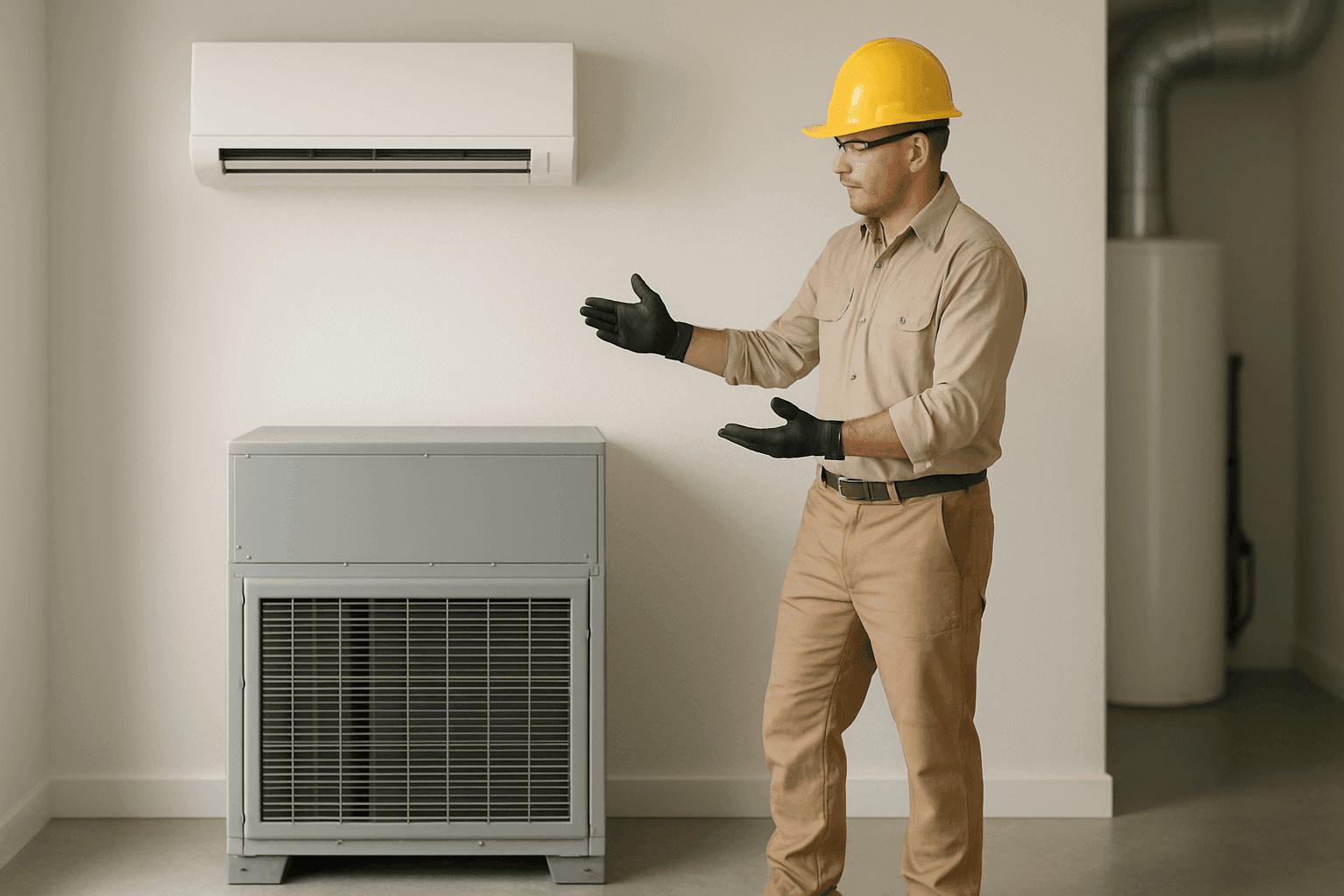
When summer heat hits, you just want to be cool. But choosing the right cooling system? That can feel like trying to pick the right shoe for a marathon. Too big, too small, not quite right—and your whole comfort is on the line.
Holmes Heating & Air has helped countless homeowners and businesses navigate the choice between mini-splits and central air. We get it: you want answers, not confusion. So let’s break down the facts, one breeze at a time.
How Both Systems Work
Before you choose, it helps to understand what you’re actually getting. These two systems may both cool the air, but they do it in very different ways.
Mini-Splits
Mini-splits—sometimes called ductless systems—are like the Swiss army knife of cooling. Each indoor unit connects to an outdoor compressor, with no need for big ductwork. They’re mounted on walls or ceilings, and each can be controlled separately.
- No ducts needed: Pipes run through small holes in the wall.
- Zoned comfort: Control each room or area independently.
- Both heating and cooling: Many models are heat pumps.
Central Air
Central air is the classic. It’s like a river, flowing cool air through a network of ducts hidden in your walls, ceilings, or floors. One powerful unit chills the air, then sends it everywhere.
- Single thermostat: Controls the whole building.
- Uses ductwork: Requires existing or new ducts.
- Even cooling: Cools large spaces at once.
Pros & Cons of Mini-Splits vs. Central Air 🛠️
No system is perfect. Each comes with trade-offs that matter for your space, budget, and comfort expectations.
Mini-Splits: Where They Shine
- Easy install: No tearing up walls for ductwork—just a small hole.
- Highly efficient: No duct losses (which the U.S. Department of Energy says can waste up to 30% of energy in ducted systems).
- Precise zoning: Keep bedrooms cool and living spaces warmer, or vice versa.
- Flexible: Great for add-ons, finished basements, garages, or older homes without ducts.
- Quiet: Indoor units hum softly, perfect for bedrooms or offices.
Considerations
- Upfront cost per room: Each zone means another unit, so costs add up for larger homes.
- Aesthetic: Visible on walls or ceilings (though they’re sleeker than ever).
- Filter maintenance: Each head unit needs periodic cleaning.
Central Air: The Traditional Workhorse
- Hidden system: No visible units in living spaces.
- Uniform temperature: One setting chills the whole building.
- Works with existing ducts: If you already have them, installation is smoother.
- Higher capacity: Good for large spaces or commercial buildings.
Considerations
- Ductwork headaches: Leaks, dust, and inefficiency if ducts are old or poorly designed.
- Less zoning: One thermostat controls it all unless you invest in advanced zoning systems.
- Space required: Ducts can take up precious square footage in attics or crawlspaces.
- Installation disruption: Retrofitting ducts in older homes can get messy.
Cost and Energy Considerations 💡
When it comes to money, both upfront and ongoing, here’s what you need to know.
Installation
- Mini-Splits: Installation is often quicker and less invasive, especially for homes without ducts. The per-room cost can be higher if you need many zones.
- Central Air: Lower cost per square foot if you already have ducts. Adding ducts to an old home? That’s where costs balloon.
Operating Costs
- Mini-Splits: Extremely efficient—no duct losses, variable speed compressors, and only cool the rooms you need.
- Central Air: Can be efficient, but loses energy through ducts and cools the whole house, even unused rooms.
Maintenance
- Mini-Splits: Clean filters on each unit monthly. Annual professional check-up recommended.
- Central Air: Change filters regularly, inspect ducts for leaks, annual service for the main unit.
Tip: According to ENERGY STAR, regular maintenance on any system improves performance and extends life.
Ideal Scenarios for Each System 🏠🏢
Every building is unique. Here’s where each system typically wins.
Mini-Splits
- No existing ducts: Old homes, new additions, or spaces where ducts would be tricky or unattractive.
- Spot cooling: Studios, server rooms, workshops.
- Allergy concerns: No ducts = less dust and mold buildup.
- Mixed-use buildings: Want to keep one part cool without freezing another? Mini-splits are ideal.
Central Air
- Large, open homes: Especially those already equipped with ducts.
- Uniform comfort: Want every room at the same temperature? Central air is the ticket.
- Commercial buildings: Offices, retail spaces, or anywhere with large, open layouts.
- Aesthetic priorities: If you want everything hidden, central air keeps hardware out of sight.
Residential vs. Commercial Needs
For Homeowners
- Mini-splits are perfect if you’re renovating, adding new rooms, or tired of fighting over the thermostat.
- Central air is the go-to for whole-home cooling when ducts are in place.
For Businesses
- Mini-splits: Great for offices with varying hours, server rooms, or spaces that need individual comfort control.
- Central air: Best for large, open areas with many people—like showrooms, gyms, or restaurants.
Practical Tips: Making the Right Choice
- Check local codes: Some areas have guidelines for refrigerant line placement or require licensed installers. Reference the International Mechanical Code for details.
- Size matters: Too big or too small means poor performance and higher bills. Always get a professional load calculation—never guess.
- Think long-term: Energy savings add up. Sometimes a slightly higher upfront cost pays for itself in just a few years.
Maintenance: Keep Your Cool System Running
No matter what you pick, regular care keeps things humming.
- Mini-splits: Wipe down filters monthly. Look for water leaks near indoor units. Annual check-ups keep refrigerant levels safe.
- Central air: Replace filters every 1–3 months. Inspect ducts for leaks or dust buildup. Schedule yearly service before peak season.
The EPA recommends regular HVAC inspection and cleaning for safe, healthy air—especially in commercial spaces.
Costs & Energy Use: What to Expect
- Mini-splits: Higher upfront if many zones, but lower monthly bills. No duct losses.
- Central air: Lower upfront if ducts are there, but higher bills if ducts are leaky or uninsulated.
Tip: Look for ENERGY STAR-rated systems for rebates and lower operating costs. Check with your local utility for incentives.
When It’s an Emergency
If your AC or mini-split stops working during a heatwave, don’t wait. Some issues—like refrigerant leaks—can be dangerous or cause lasting damage if ignored. Holmes Heating & Air offers 24-hour emergency services for both systems.
FAQ
Q: Can I install a mini-split myself?
A: It’s not recommended. Professional HVAC installation is needed to handle refrigerant and electrical connections safely (per EPA Section 608 rules).
Q: Are mini-splits good for big houses?
A: They can be—especially if you want to cool only certain rooms. For whole-house comfort, central air may be simpler and more cost-effective.
Q: Will mini-splits heat as well as cool?
A: Yes, many models are heat pumps and provide both heating and cooling. They’re efficient for most climates but may struggle in extreme cold.
Q: How long do these systems last?
A: Mini-splits: 12–15 years. Central air: 10–15 years. Longevity depends on maintenance.
Local & Seasonal Considerations 🌦️
Hot, sticky summers? Freezing winters? Your climate matters.
- Mini-splits excel in mild to moderate climates, or as supplements in extreme conditions.
- Central air is often preferred in regions with high humidity or big temperature swings.
- In areas with strict building codes, always check local requirements before installing new HVAC systems.
The Bottom Line
Choosing between mini-splits and central air isn’t just about square footage—it’s about how you live and work. Your comfort, your budget, your building’s quirks. Holmes Heating & Air is here to help you weigh the options, answer questions, and install systems that fit your needs for years to come.
Ready to take the next step? Learn more about our mini-splits installation or AC installation services.
Call Holmes Heating & Air now — or reach us anytime at 888-835-0228 .