Air Scrubber vs. Air Purifier: What’s the Difference?
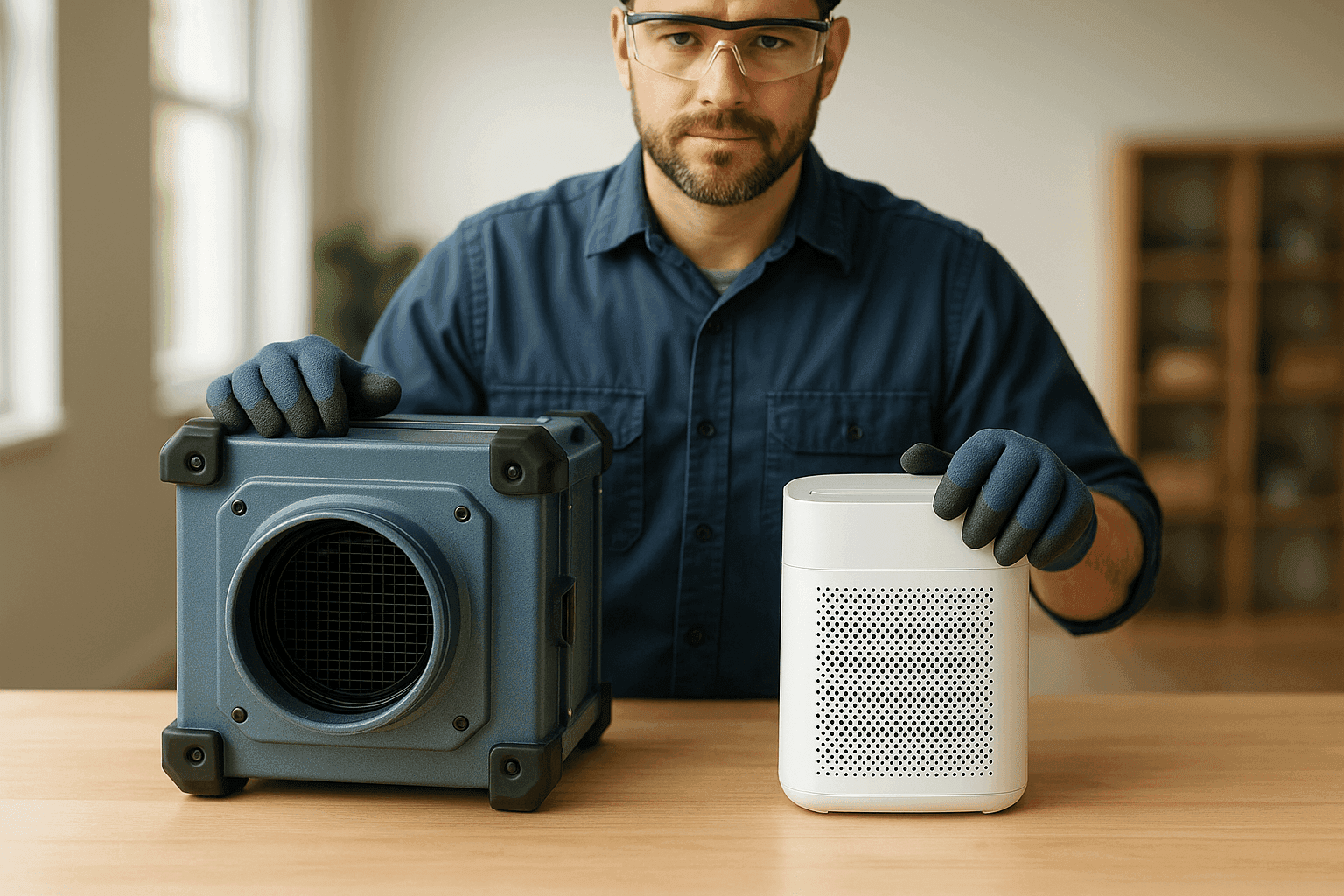
If you’ve ever wondered why your home or office still feels stuffy—even after cleaning and changing filters—you’re not alone. With all the talk about indoor air quality, it’s easy to get lost in the choices.
At Holmes Heating & Air, we know the difference clean air makes. That’s why we help families and businesses cut through the confusion between air scrubbers and air purifiers. Let’s break down what really matters for the air you breathe.
Air Scrubber Basics 🛠️
Imagine an air scrubber as a deep-cleaning crew for your air. Unlike a simple filter that sits and waits for particles to drift by, air scrubbers take a more active approach. They’re installed directly into your hvac system, where they use advanced technology—think UV light, ions, or special catalysts—to break down and neutralize contaminants both in the air and on surfaces.
What Do Air Scrubbers Remove?
- Airborne bacteria and viruses
- Mold spores
- Odors from pets, cooking, and smoke
- VOCs (volatile organic compounds)
- Dust and pollen
An air scrubber doesn’t just filter—it actively attacks pollutants, reducing them even on countertops and doorknobs. It’s like sending in a cleanup squad that works 24/7, everywhere your system reaches.
Air Purifier Overview
An air purifier is more like a high-quality sieve. It draws air through filters—typically HEPA or carbon-based—that trap particles and, in some cases, neutralize odors. Some models add UV light or ionization for extra punch.
What Do Air Purifiers Handle?
- Dust mites
- Pet dander
- Smoke particles
- Allergens and pollen
Air purifiers are usually portable. You pick a room, plug it in, and let it do its job. Some larger units can work with your central hvac, but most are designed for targeted spaces or individual rooms.
Side-by-Side Comparison
Let’s put it simply:
- Air scrubbers clean both air and surfaces through your entire hvac system.
- Air purifiers focus on filtering air in a specific area.
Air Scrubbers:
- Installed directly in hvac ductwork
- Treat both air and surfaces
- Use active technologies (UV, ionization, etc.)
- Best for whole-home or commercial coverage
- Tackle odors, germs, and gases
Air Purifiers:
- Mostly portable; some attach to hvac
- Treat air only
- Primarily use filters, sometimes UV/ionizer
- Best for single rooms or small spaces
- Great at catching dust and allergens
Think of air scrubbers as a shower for your entire hvac system, while purifiers are like washing your face. Both are important—just for different jobs.
Choosing the Right Solution
How do you know which fits your space and needs? Start by thinking about your biggest concerns. Is it pet odors in every room? Allergies in the bedroom? Mold worries at work?
- For whole-house or large commercial spaces: Air scrubbers are your best bet. They tackle the source throughout the building and help prevent the spread of contaminants.
- For specific rooms: Air purifiers shine in bedrooms, nurseries, or offices where you want targeted relief from dust or pollen.
- For severe or persistent problems: Pairing both can bring the cleanest results. For example, an air scrubber in your hvac and a purifier in a high-traffic room.
Ensuring Safety and Effectiveness
Always choose products certified by reputable organizations, like UL or CARB (California Air Resources Board). Proper installation is just as important as the device itself. An incorrectly installed system can reduce effectiveness, or even damage your hvac.
If you’re uncertain, an iaq-testing service can help pinpoint what’s floating in your air. At Holmes Heating & Air, we install only proven, professional-grade solutions and follow the latest guidelines from the EPA and ASHRAE.
Real-World Examples
- Family Home: Kids and pets bring in dirt and dander. An air scrubber in the hvac keeps the whole house fresher, while a purifier in the nursery adds extra protection.
- Office Building: Shared air means shared germs. Air scrubbers reduce illness risk throughout the workspace.
- Allergy Sufferer: A high-efficiency purifier in the bedroom can mean a better night’s sleep.
Practical Tips for Cleaner Indoor Air
- Replace or clean filters regularly, according to manufacturer guidance.
- Schedule routine indoor-air-quality checks.
- Don’t block air vents or units—let the system breathe.
- Keep humidity between 30–50% to discourage mold.
- Ventilate with outside air when possible.
For more on local air quality solutions, see Chester, Pennsylvania Air Scrubbers.
Frequently Asked Questions
How often should air scrubbers or purifiers be serviced?
Most systems benefit from annual maintenance, though some filters need changing every 3–6 months. Always consult your manual.
Will these devices eliminate all viruses and bacteria?
No air cleaner can guarantee total elimination, but certified products following EPA and ASHRAE recommendations can greatly reduce harmful contaminants.
Are air scrubbers safe for kids and pets?
When installed to code and maintained properly, yes. Ask your installer about certified systems and safety features.
Indoor Air Quality: You Have Options
Clean air matters—at home and at work. Whether you go with an air scrubber, a purifier, or both, the right system can make a real difference. Don’t just guess at what your property needs. Get the facts, compare certified options, and breathe easier knowing you’ve made a smart choice.
Call Holmes Heating & Air now — or reach us anytime at 888-835-0228 .