Commercial HVAC Maintenance: Best Practices for Facility Managers
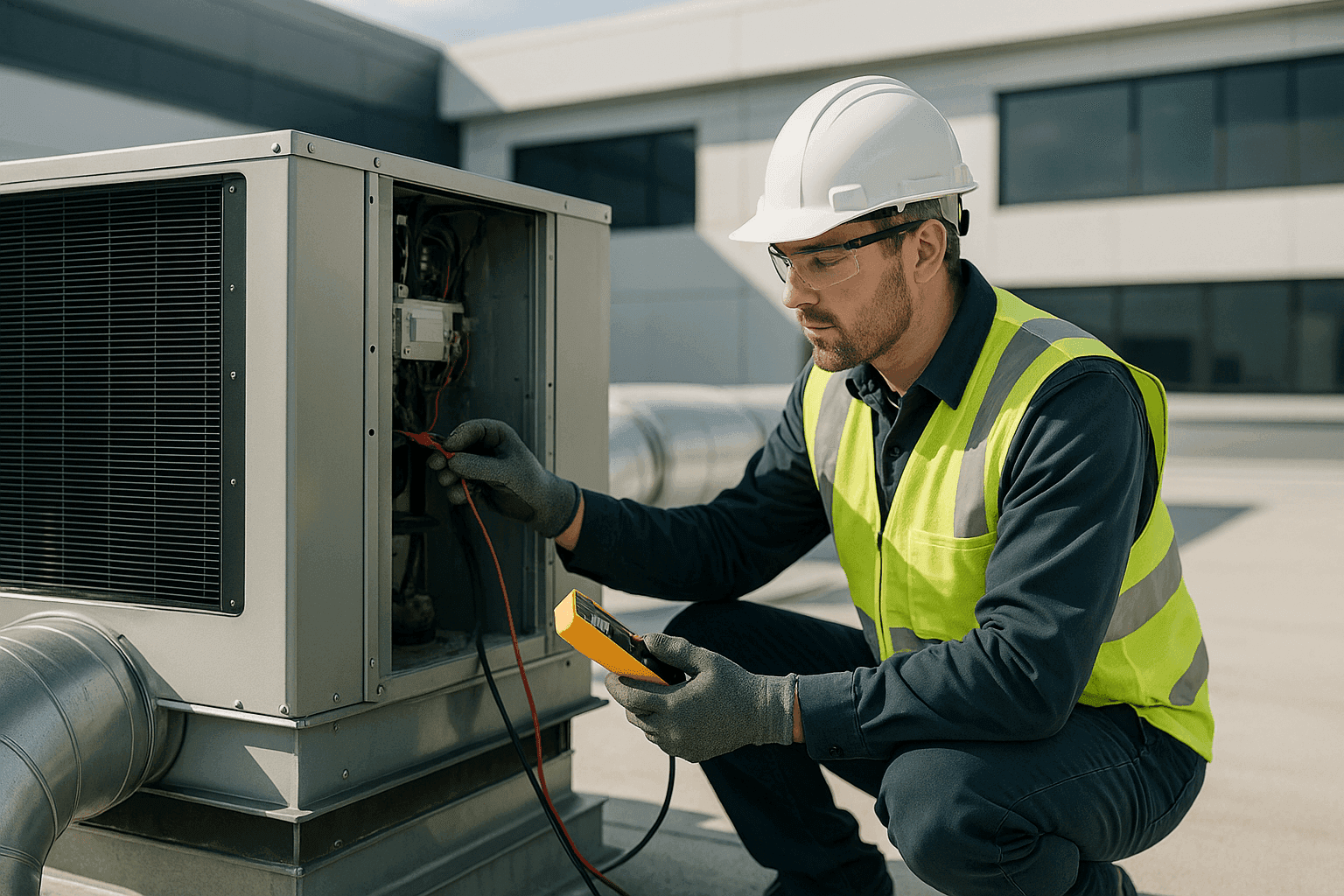
Managing a commercial building means you’re always putting out fires—sometimes literally. But when it comes to your HVAC system, the “fires” are quieter: rising energy bills, uneven temperatures, and surprise breakdowns that send tenants or employees into a tailspin.
At Holmes Heating & Air, we know the heartbeat of your building is its HVAC. A well-kept system isn’t just about comfort; it’s about safety, productivity, and cost control. Let’s dig into what keeps commercial HVAC humming and how facility managers can stay ahead.
Why Commercial HVAC Needs Differ from Residential Systems 🏢
Running a commercial space is more like steering a ship than driving a car. The systems are bigger, the stakes are higher, and a small issue can ripple out fast. Here’s what sets commercial HVAC apart:
- Complex Zoning: Offices, shops, and warehouses have different climate needs—sometimes all under one roof.
- Longer Hours: Commercial units run harder, often 24/7. Wear and tear sets in quicker.
- Stricter Regulations: OSHA, local codes, and EPA guidelines demand regular checks and documentation.
- Air Quality Demands: Higher occupancy means more focus on air filtration, IAQ (indoor air quality), and ventilation.
Ignoring these differences is like using an umbrella in a hurricane—just not enough.
The Commercial HVAC Safety Checklist
Before you even think about routine maintenance, safety comes first. Every facility manager should keep this punch-list handy:
- Turn off power to units before inspections.
- Check for visible electrical damage or exposed wires.
- Ensure rooftop access is secure and clear.
- Keep combustible materials away from equipment.
- Inspect for refrigerant leaks and report any unusual odors.
- Verify all safety guards and panels are intact after service.
- Consult OSHA and ASHRAE guidelines for workplace safety during maintenance.
A safe workspace protects both your team and our certified technicians.
DIY vs. Calling a Pro
It’s tempting to have your in-house team swap a filter or reset a thermostat. Some tasks are simple, but most commercial HVAC work is best left to the pros. Here’s why:
- Scale and Complexity: Commercial units have intricate controls and custom ductwork. One wrong move can throw off the balance for the whole building.
- Warranty & Compliance: Many manufacturers require licensed service for warranty and code compliance.
- Specialized Tools: Diagnosing airflow or balancing systems demands gauges, meters, and software that aren’t found in a janitor’s closet.
For simple jobs like changing filters, your maintenance crew can help. But for system controls, refrigerant, or anything electrical, call in certified commercial techs like Holmes Heating & Air.
What Pros Do On Arrival
Here’s what you can expect from a well-trained commercial HVAC technician:
Inspection & Testing
- Check system controls, wiring, and safeties.
- Test thermostat calibration and building automation.
- Inspect belts, motors, and pulleys for wear.
Filters & Air Quality
- Replace all air filters (often quarterly or more for high-traffic areas).
- Clean coils and check for microbial growth.
- Recommend IAQ testing if odors or complaints arise.
Airflow & Balance
- Measure supply and return pressure.
- Inspect dampers, VAV boxes, and diffusers.
- Adjust for even temperatures and correct ventilation.
Documentation
- Log all findings for compliance and future reference.
- Note any code violations or urgent repairs.
Our techs don’t just “look around”—they dig deep, using commercial-grade tools and years of hands-on experience.
Prevention & Maintenance: The Real Secret
Preventive maintenance is the oil that keeps your HVAC engine running smooth. Here’s how to stay ahead:
- Seasonal Tune-Ups: Schedule major checkups before heating and cooling seasons. This nips problems before they become emergencies.
- Regular Filter Changes: Dirty filters choke airflow and spike energy costs. In busy spaces, swap them as often as monthly.
- Monitor Belts and Bearings: Loose belts and dry bearings can grind a system to a halt. Visual checks save headaches later.
- Track Humidity & IAQ: Use dehumidifiers, humidifiers, and air scrubbers where needed. Poor air quality leads to complaints and health risks.
- Document Everything: Keep a logbook or digital record. Regulators, insurance, and future techs will thank you.
For peace of mind, consider a service plan with Holmes Heating & Air. Our maintenance agreements take the guesswork out of scheduling and compliance.
Maintenance Agreements & Service Plans
Think of a maintenance agreement as an insurance policy for your HVAC. Here’s what’s usually included:
- Scheduled inspections and tune-ups
- Priority 24-hour emergency service
- Discounted repairs and parts
- Compliance tracking for OSHA and EPA
You’re not just buying service—you’re buying uptime, reliability, and fewer surprise bills. Learn more about West New York, New Jersey HVAC Maintenance.
Reducing Downtime and Surprise Costs ⚡
Downtime in a commercial building is more than an inconvenience. It’s lost revenue, lost time, and lost trust. Smart managers:
- Invest in regular HVAC checkups.
- Replace worn parts before failure.
- Monitor energy usage for spikes.
- Respond quickly to unusual noises or smells.
A day without AC or heat can cost thousands. Don’t let a small problem snowball into a shutdown.
Costs & Time Factors
How much time and money does commercial HVAC maintenance take? While every building is different, here’s what to expect:
- Time: Routine visits may take 1–3 hours per unit. Larger rooftop systems or complex controls can require half a day or more.
- Cost Drivers: Age of system, number of zones, and frequency of visits all affect your budget. Plan for quarterly or semi-annual checks.
- Parts & Repairs: Filters and belts are low-cost; motors, controls, or refrigerant can be more.
Remember: planned maintenance always costs less than emergency repairs or system replacements.
When It’s an Emergency
Not all HVAC problems can wait. If you notice:
- Sudden loss of heating or cooling
- Burning smells or smoke
- Flooding from condensate lines
- Electrical sparks or alarms
Shut down the system and call Holmes Heating & Air—day or night. Our certified commercial techs handle 24-hour emergencies to keep your building safe.
FAQ: Facility Manager Edition
How often should I have my commercial HVAC serviced?
At least twice a year—before the heating and cooling seasons. High-use facilities may need quarterly visits.
What’s the #1 cause of HVAC failures?
Clogged or dirty filters. They force the system to work harder, burning out motors and compressors.
Are maintenance agreements really worth it?
Yes. They streamline compliance, reduce emergencies, and save money over time.
Can I use the same filters as a home system?
No—commercial systems need higher-capacity, sometimes custom-sized filters for proper airflow.
Local and Seasonal Considerations
Every region brings its own HVAC challenges. In the Northeast, for example, freezing winters and humid summers mean your system works hard year-round. Schedule heating checks in fall, cooling checks in spring, and monitor humidity to prevent mold.
If you’re searching for “Mini-Splits near you” or need rapid help with rooftop units, Holmes Heating & Air has the tools and certified technicians ready for the job.
Protect your building, your people, and your budget. Call Holmes Heating & Air now — or reach us anytime at 888-835-0228 .