Dehumidifier Installation: How It Solves Basement and Crawlspace Issues
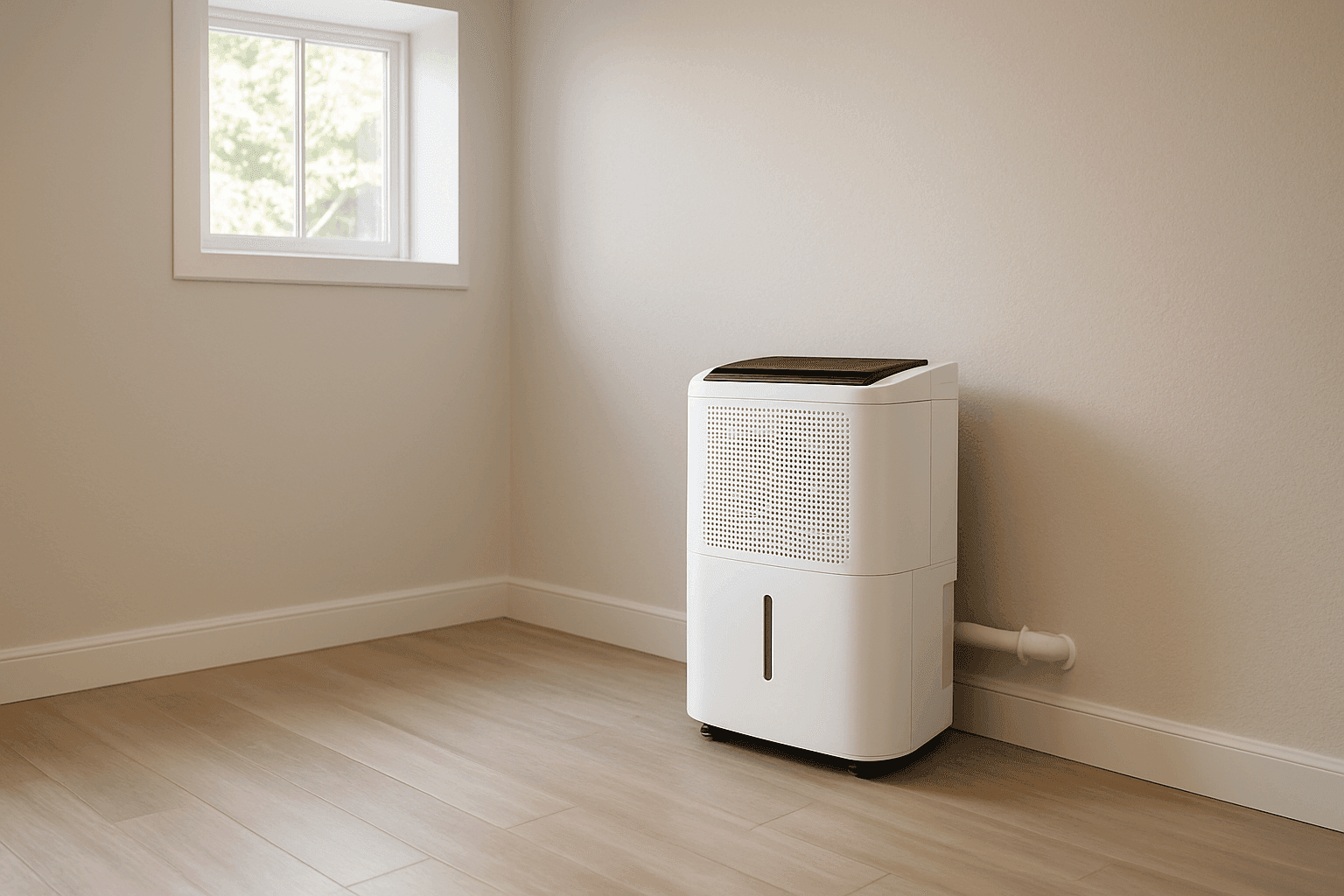
Damp, musty basements. Clammy crawlspaces. It’s a headache for any homeowner or business manager. You can try opening a window, but that’s like mopping up a flood with a paper towel. When moisture sneaks into these spaces, it settles in for the long haul. And the problems just keep multiplying.
At Holmes Heating & Air, we see this every day—troubles that start small but quickly snowball. The good news? The right dehumidifier can change everything. Let’s dig into how moisture builds up, why it’s a real threat, and how professional dehumidifier installation provides lasting peace of mind.
Why Moisture Is a Problem in Basements and Crawlspaces 🏚️
It’s not just about feeling sticky or smelling a hint of mildew. Moisture is like an uninvited guest who ruins the party. Here’s what happens:
- Structural Damage: Water vapor seeps into wood and concrete, causing rot, warping, and cracking.
- Mold & Mildew: These thrive in damp environments, releasing spores that can trigger allergies and asthma.
- Pest Attraction: Termites, cockroaches, and rodents love a moist hideout.
- HVAC Strain: Extra humidity makes your AC and heating systems work overtime, raising energy bills and risking breakdowns.
- Air Quality: Dampness stirs up dust mites and airborne particles, making breathing harder for everyone inside.
According to the U.S. Environmental Protection Agency (EPA), indoor relative humidity should stay between 30–50% to avoid these issues. Basements and crawlspaces, however, are notorious for trapping moisture—especially after storms or in humid climates.
Choosing the Right Dehumidifier for Lasting Results
Not all dehumidifiers are built the same. Picking the right one isn’t just about size—it’s about matching your space and your needs. Here’s how we help you find the perfect fit:
- Capacity: Measured in pints per day, this should align with the square footage and how wet the area is.
- Drainage Options: Continuous drain lines vs. manual tanks. Basements often need a pump to move water up and out.
- Energy Efficiency: Look for ENERGY STAR® certified units to keep costs down.
- Filtration: Some models include air filters, which boost indoor air quality by trapping dust and allergens.
At Holmes Heating & Air, we recommend units that fit the room—not just the budget. An undersized dehumidifier is like bringing a cup to bail out a boat. Oversized? That can waste energy and wear out faster.
Want to know what’s right for your home or business? Explore our dehumidifiers page for details.
The Professional Installation Process: What To Expect
Dehumidifier installation isn’t a plug-and-play job—especially for basements and crawlspaces. Here’s our step-by-step approach:
1. Detailed Inspection & Sizing
- We measure the space, check ventilation, and test humidity levels.
- Holmes Heating & Air pros look for hidden leaks or drainage issues that need fixing first.
2. Selecting the Best Location
- The unit should be away from walls and furniture for good airflow.
- We keep it near a drain or set up a condensate pump for continuous water removal.
3. Safe, Code-Compliant Setup
- Electrical connections are checked for safety and code compliance (refer to NEC and local building codes).
- Hoses are secured to prevent leaks or backups.
4. Start-Up & Calibration
- We power on, set the target humidity, and check the entire cycle.
- Our team walks you through settings and basic maintenance routines.
Professional installation means the job’s done right the first time—protecting your investment and health.
Maintenance for Reliability and Air Quality
A dehumidifier is only as good as its upkeep. Think of maintenance as giving your unit a tune-up before a long road trip:
- Filter Cleaning: Dirty filters block airflow and reduce efficiency. Clean or replace every 1–3 months.
- Drain Line Checks: Clogs or kinks cause water to back up, risking mold and water damage.
- Coil Cleaning: Dust on coils makes the unit work harder. Wipe them down gently when accessible.
- Annual Service: Schedule a yearly checkup with a licensed hvac technician to keep the system humming.
Regular maintenance not only extends lifespan but also preserves indoor air quality. Need help? Check out our indoor air quality and iaq testing services.
How Dehumidifiers Improve Indoor Air Quality
Every drop of moisture removed is a step towards healthier air. Dehumidifiers starve mold, dust mites, and bacteria of the dampness they need. This is especially important for families with allergies, asthma, or immune sensitivities.
- Less mold equals fewer allergy triggers.
- Lower humidity means fewer musty odors.
- Improved air makes every breath easier.
The American Lung Association and CDC both recommend moisture control as a first line of defense for better indoor air quality.
Professional Sizing and Installation: Why It Matters
It’s tempting to buy a big-box unit and call it a day. But that’s like wearing shoes three sizes too big. Professional sizing and installation:
- Ensures the right unit for your unique space and moisture levels.
- Protects your home from wiring hazards or drainage mishaps.
- Comes with manufacturer warranty (when installed by qualified pros).
- Delivers true peace of mind—no more guesswork or trial-and-error.
Looking for Dehumidifiers near me in Fremont, Nebraska? Holmes Heating & Air is ready to help—wherever you are.
Practical Tips: Keeping Basements & Crawlspaces Dry
Keep these habits in mind for long-term protection:
- Seal cracks in walls and floors to block water entry.
- Insulate pipes to prevent condensation.
- Use vapor barriers on crawlspace floors.
- Check gutters and grading outside to direct water away from the foundation.
- Schedule regular home energy audits to spot trouble early.
FAQ: Common Questions About Dehumidifier Installation
How often should I run my dehumidifier?
Most need to run almost continuously during humid seasons. Set your target humidity (ideally 40–50%) and let it cycle automatically.
Does installation require special wiring?
Some larger units may need a dedicated outlet or circuit. Holmes Heating & Air always checks electrical safety and code before installation.
Will a dehumidifier help with musty odors?
Absolutely. By pulling excess moisture from the air, dehumidifiers cut down on the conditions that create musty smells.
Can one unit serve the whole house?
It depends on your home’s size and layout. In many cases, basements and crawlspaces benefit from separate, dedicated units.
Local and Seasonal Considerations
Humidity isn’t just a summer issue. Heavy spring rains, winter thaw, or year-round high water tables can all turn your basement into a breeding ground for problems. In our region, we see spikes in calls after wet weather—don’t wait for a disaster to strike. The best time to install? Before you spot mold or smell that telltale mustiness.
The Bottom Line
Moisture can sneak in, but it doesn’t have to take over. With the right dehumidifier, professionally installed and maintained, your basement or crawlspace stays dry, safe, and healthy—season after season.
Ready for relief?
Call Holmes Heating & Air now — or reach us anytime at 888-835-0228 .