Dehumidifiers vs. Humidifiers: Which Does Your Home Need?
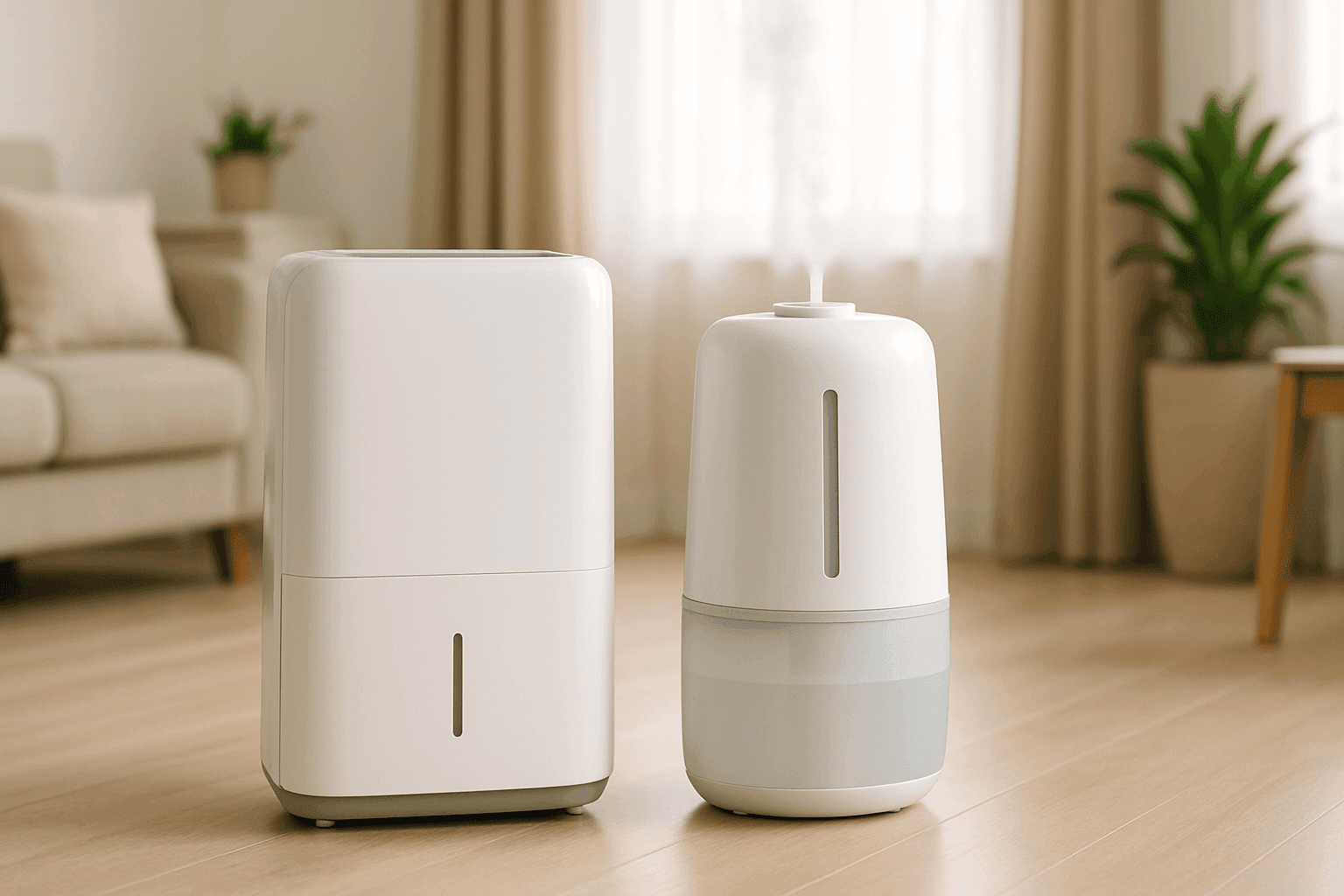
Is your home air so dry your socks stick to the carpet? Or does it feel like you’re wading through a swamp just walking from room to room? We get it. Balancing indoor humidity isn’t just about comfort—it’s about health, safety, and protecting your biggest investment: your home.
At Holmes Heating & Air, we help families and businesses create spaces that feel just right. Let’s dive into the world of dehumidifiers, humidifiers, and how to know which your home truly needs.
Humidity Control: What Is It, and Why Does It Matter?
Humidity control is more than a buzzword tossed around by hvac pros. It’s a fine-tuned balancing act—think of it like Goldilocks finding her perfect porridge. Too much moisture, and you’re setting the stage for mold, dust mites, and sticky discomfort. Too little, and you’re in for dry skin, static shocks, and sinus headaches.
Ideal indoor humidity sits between 30% and 50%, according to the EPA and ASHRAE standards. But homes are living, breathing spaces. Weather shifts. So do our needs.
Signs You Need a Dehumidifier vs. a Humidifier
How do you know which side of the seesaw your home is on? Here’s what to watch for:
Signs You Need a Dehumidifier 🏠
- Musty smells, especially in basements or closets
- Foggy windows or condensation on glass and walls
- Sticky, clammy air even when the AC’s running
- Visible mold, mildew, or black spots on walls or ceilings
- Increased allergy symptoms, like sneezing or watery eyes
- Wood floors or furniture beginning to warp
A dehumidifier is your ally when your home feels like a rainforest.
Signs You Need a Humidifier
- Static electricity zapping you on every doorknob
- Chapped lips, dry skin, and scratchy throat
- Nosebleeds more common in winter
- Cracking paint, peeling wallpaper, or shrinking wood
- Plants and pets seem uncomfortable or stressed
If your home feels like the Sahara, a humidifier can make all the difference.
The Benefits of Dehumidifiers and Humidifiers
Let’s break it down—what do these machines actually do for you?
Dehumidifiers
- Prevent mold and mildew that can damage your home and impact your health
- Reduce allergy triggers by limiting dust mites and spores
- Protect electronics, wood, and musical instruments from excess moisture
- Help your air conditioner work more efficiently—lower humidity means less strain on your hvac system
- Make your space feel cooler and more comfortable during muggy seasons
Humidifiers
- Soothe dry skin, eyes, and throats by adding gentle moisture
- Reduce static shocks (goodbye mini lightning bolts!)
- Help prevent cold and flu viruses from spreading as easily
- Protect wood furniture, flooring, and musical instruments from cracking or shrinking
- Support easier breathing for those with asthma or allergies
Choosing the Right Size for Your Space
Think of sizing your humidifier or dehumidifier like buying shoes. Too small, and it won’t do the job. Too big, and you’re wasting money and energy.
- Measure your space. Know the square footage and ceiling height.
- Check your climate. Humid summers? Dry, frigid winters? Your needs will shift.
- Consider usage. Is the problem just in one room (like a damp basement)? Or does your whole home need help?
- Look for capacity ratings. Dehumidifiers are typically rated in pints per day; humidifiers by gallons per day or room size.
Professional hvac techs, like our Holmes Heating & Air team, can help you find a unit that’s “just right.”
Maintenance Tips: Keep It Working (and Safe)
Your new humidifier or dehumidifier is only as good as the care it gets. Here’s how to keep things humming:
Dehumidifiers
- Empty the water tank regularly, or set up a continuous drain hose if possible
- Clean the filter every month (or as the manual recommends)
- Wipe down the coils to prevent mold buildup
- Check for leaks or odd noises—call a pro if anything seems off
Humidifiers
- Use distilled water to prevent mineral deposits (especially in ultrasonic models)
- Change filters often (every 1–3 months)
- Rinse the reservoir and keep it free from slime or algae
- Monitor for white dust around the unit—it’s a sign you need to clean or change water sources
Both types need regular attention to avoid bacteria or mold growth. Always follow manufacturer instructions—and remember, if it smells odd, stop and investigate.
How Humidity Affects Your Comfort and Health
Humidity isn’t just a side note—it shapes how you feel every day.
- High humidity: Feels warmer, makes it harder for sweat to evaporate, and turns homes into a playground for mold and dust mites.
- Low humidity: Dries out your skin, eyes, and nasal passages. Leads to more static, respiratory irritation, and can worsen allergy symptoms.
According to the Mayo Clinic and EPA, keeping indoor humidity in the sweet spot (30–50%) helps reduce respiratory illnesses, mold growth, and property damage.
Professional Installation and Monitoring: Peace of Mind
Sure, you can pick up a unit from a big-box store and plug it in. But for larger spaces or whole-home solutions, professional installation by a licensed hvac team keeps your system safe, efficient, and code-compliant.
- Correct sizing and placement: Professionals know where to install for maximum effect.
- Duct integration: For whole-home units, proper connections are key to performance.
- Smart controls: Automate humidity levels based on real-time readings.
- Ongoing monitoring: Scheduled checkups catch problems early and keep your indoor air quality top-notch.
Looking for Mini-Splits near you? Holmes Heating & Air covers it all, from dehumidifiers and humidifiers to comprehensive indoor air quality solutions.
Mold, Allergies, Static, and More: Real-World Problems, Real Solutions
Mold
Moisture is mold’s best friend. If your basement smells like old gym socks or you see spots on your bathroom ceiling, act fast. Mold can trigger asthma, allergies, and even structural damage.
Allergies
Dust mites and mold spores thrive in humid air. On the flip side, dry air stirs up dust and irritates sinuses. Balance is everything.
Static
Ever get shocked by your pet or a doorknob? That’s low humidity at work. It’s annoying, but also a sign your home needs more moisture.
Comfort
The right humidity means you’ll feel warmer in winter and cooler in summer—without cranking the thermostat.
Common Questions About Humidity Control
How can I measure my home’s humidity?
Pick up an inexpensive digital hygrometer at any hardware store. Place it away from vents or windows for the most accurate reading.
Can I use both a humidifier and dehumidifier in the same home?
Absolutely. Some rooms may be damp while others are dry, especially in larger or multi-level homes. Just don’t run them in the same space at the same time.
Are portable units as good as whole-home systems?
Portable units are great for single rooms or apartments. For consistent results throughout your home or office, whole-home systems tied to your hvac deliver better control.
Will my hvac system help with humidity?
Modern HVAC systems, especially with features like variable-speed air handlers and whole-house fans, can play a major role. But for specific humidity problems, dedicated humidifiers or dehumidifiers are often necessary.
Local and Seasonal Considerations
Humidity isn’t just a summer or winter issue—it shifts with the seasons and your local climate. In colder months, forced-air heating can dry your air to desert levels. Summer rains can turn basements muggy and musty. Even cooking, showering, and laundry affect indoor moisture.
If you’re in the Midwest, for example, spring and fall often bring the trickiest swings. For folks looking for Dehumidifiers for Greenfield, Wisconsin, we know just how fast the weather can change. Our team adapts solutions to your local needs, whether residential or commercial.
Ready to Breathe Easy?
The right humidity makes your home healthier, more comfortable, and protects what matters most. Whether you’re battling swampy summer air or winter dryness, Holmes Heating & Air is here to help you find the perfect solution.
Call Holmes Heating & Air now — or reach us anytime at 888-835-0228 .