Do Air Scrubbers Really Work? Science, Benefits & Applications
Is the air inside your home or business as clean as it could be? With allergy season stretching longer each year and new concerns about indoor air, the quest for safer, fresher air is more urgent than ever. At Holmes Heating & Air, we hear this question all the time: Do air scrubbers really work?
If you’re weighing options to boost your indoor air quality, you want more than promises. You want to know what’s real, what’s hype, and—above all—what’s safe for your family or employees. Let’s break it down so you can breathe easy.
How Air Scrubbers Work: The Science in Simple Terms 🧪
Imagine your HVAC system as your building’s lungs. Now, picture an air scrubber as a set of “super lungs” that go even further, trapping, zapping, or neutralizing what the eye can’t see.
What Is an Air Scrubber?
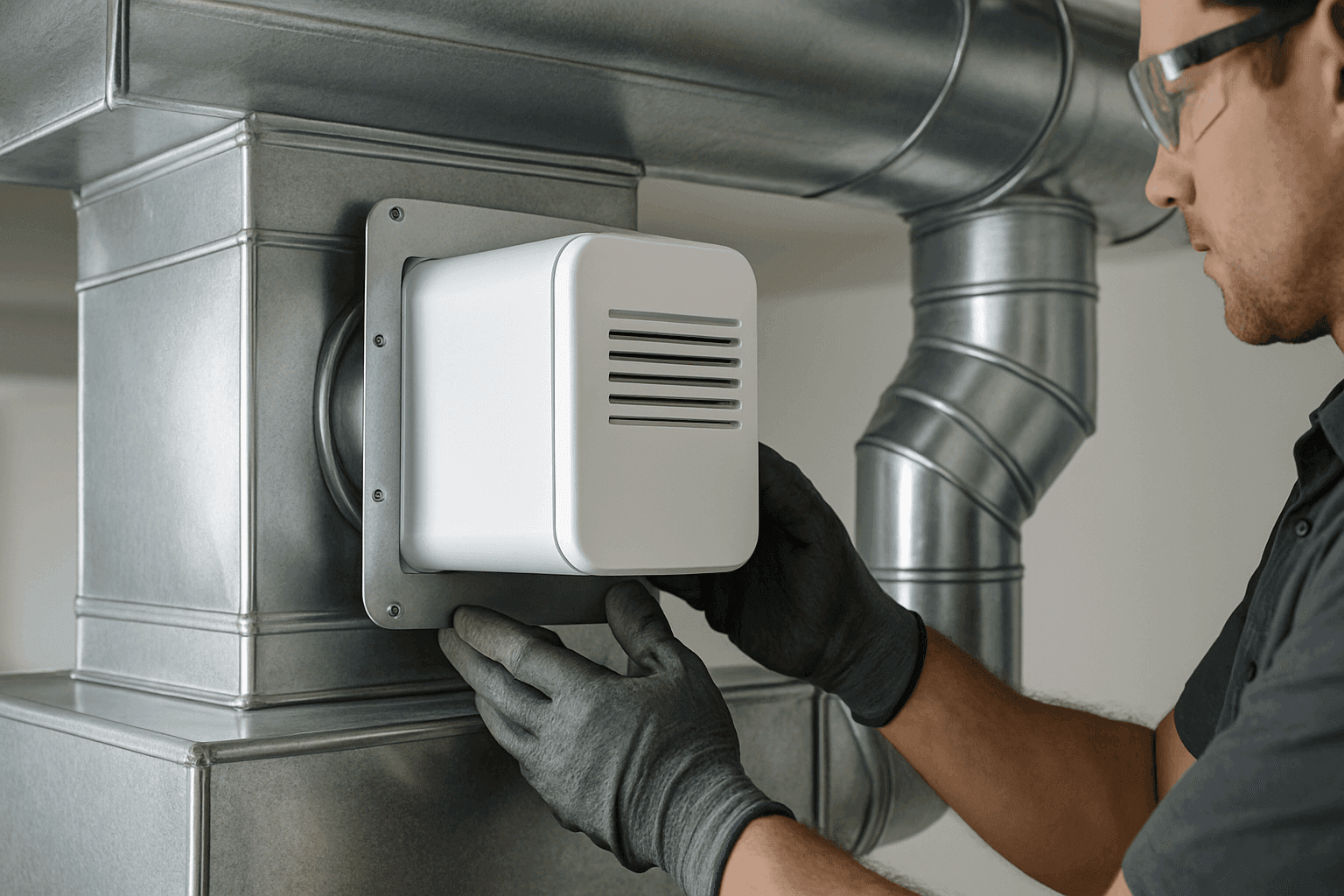
An air scrubber is a device added to your hvac system to remove unwanted particles and contaminants from the air. It’s not just a fancy filter. Air scrubbers use one or more of these proven technologies:
- HEPA Filtration: Like a fine-mesh net, HEPA filters snatch up pollen, dust, and even some bacteria. They’re so effective, hospitals use them.
- UV-C Light: Ultraviolet light blasts through germs—damaging their DNA so they can’t multiply. It’s a high-tech bug zapper for your air.
- Ionization: This process releases charged ions that latch onto particles (even odors and smoke), making them heavy enough to fall out of the air or stick to surfaces for easy cleaning.
Each technology tackles different threats. Together, they target everything from allergens to microscopic pathogens.
How Do Air Scrubbers Integrate with HVAC?
Most air scrubbers install directly into your existing ductwork. That means every time your system runs—heating or cooling—the air gets scrubbed. It's a silent guardian, always working in the background.
For even more targeted clean air, some units focus on single rooms or high-traffic zones. But for whole-building peace of mind, an in-duct system is the gold standard.
Key Benefits: What Air Scrubbers Actually Remove
Let’s cut through the noise. Here’s what air scrubbers are proven to reduce or eliminate:
- Allergens: Pollen, pet dander, dust mites—gone or dramatically reduced.
- Odors: Cooking smells, smoke, musty basements, and even gym sock funk.
- Pathogens: Some bacteria, viruses, and mold spores can be minimized, especially with UV or ionization tech.
- Chemical Pollutants (VOCs): Paint fumes, cleaning product residue, and other volatile organic compounds.
According to the EPA and the American Society of Heating, Refrigerating and Air-Conditioning Engineers (ASHRAE), improving filtration and using air cleaners can lower airborne contaminants in homes and businesses. Not a silver bullet, but a powerful layer of defense.
Who Benefits Most from Air Scrubbers?
- Homes with allergy sufferers or pets
- Offices with high occupancy
- Restaurants and kitchens fighting persistent odors
- Medical, dental, or daycare facilities with high hygiene needs
If you’re in a region with frequent wildfires or heavy pollen, the impact can be even more dramatic.
Where Air Scrubbers Shine: Best Use Cases
Not every space needs the same solution. Here’s where air scrubbers really earn their keep:
Residential
- Family homes, especially with kids or pets
- Apartments with shared ductwork
- Houses near busy roads, factories, or fields
Commercial
- Open-plan offices or coworking spaces
- Restaurants, bars, and commercial kitchens
- Salons, gyms, and spas
- Schools, daycares, and healthcare offices
Special Environments
- Server rooms or electronics labs (dust control)
- Art or archival storage (preserving sensitive materials)
- Anywhere you want to limit absenteeism due to illness
For a local perspective and seasonal needs, see Air Scrubbers in Jonesboro, Arkansas.
Maintenance Considerations
Just like any hard-working appliance, air scrubbers need attention to perform their best.
What’s Required?
- Regular Filter Changes: HEPA and pre-filters fill up over time. Replace according to the manufacturer’s schedule—usually every 6–12 months.
- UV Lamp Replacement: UV-C bulbs lose strength after about a year. Schedule annual checks.
- Ionizer Maintenance: Some require occasional cleaning to stay effective.
Skipping maintenance is like never emptying your vacuum. It’ll keep running, but not well.
Professional Installation Matters
Certified products, like those meeting ASHRAE and EPA standards, should always be installed by licensed HVAC technicians. An improper setup can actually lower system efficiency or lead to safety issues. At Holmes Heating & Air, our team stays up-to-date with the latest codes and best practices.
How to Decide: Are Air Scrubbers Worth It?
It comes down to your unique situation:
- Do you have allergies, asthma, or respiratory issues in your household?
- Is your property in an area with poor outdoor air quality?
- Are you running a business where air cleanliness impacts customer trust or staff health?
- Do you want an added layer of protection beyond standard HVAC filters?
If you answered yes to any of these, an air scrubber is worth serious consideration. But it’s not a cure-all. Think of it as one tool in your indoor air quality toolbox—alongside regular IAQ testing, routine duct cleaning, and proper ventilation.
Maintenance Tips for Long-Term Performance 🛠️
- Set reminders for filter and lamp changes.
- Combine air scrubbers with indoor air quality assessments.
- Schedule annual HVAC inspections to catch potential issues early.
- Pay attention to manufacturer recommendations—don’t cut corners.
What Does Air Scrubber Installation Cost?
While prices vary, expect a range depending on system size, technology, and your existing HVAC setup. Residential units are generally less expensive than commercial-grade systems. Factor in:
- Equipment cost (HEPA, UV, or combo units)
- Professional installation (required for most systems)
- Ongoing maintenance (replacement filters, bulbs)
Time from start to finish? Most installations take just a few hours, with minimal disruption to your space.
Common Questions About Air Scrubbers
Do air scrubbers create ozone?
Some ionization units can produce small amounts of ozone, but certified products are designed to meet strict safety standards. Always ask your installer about the specific model.
Will I notice a difference right away?
Some people experience immediate relief from odors or allergens. For others, improvements are more gradual and subtle.
Can I install an air scrubber myself?
It’s not recommended—especially for in-duct models. Professional installation ensures safety, efficiency, and warranty protection.
Do air scrubbers replace my HVAC filters?
No. They’re a powerful addition, not a substitute. Keep up with filter changes to maintain peak performance.
Local and Seasonal Considerations
In the South, high humidity and pollen are a double whammy—making air scrubbers especially valuable for homes and businesses. During wildfire season or construction booms, an extra layer of air defense can make a noticeable difference. If you’re searching for “Mini-Splits near you,” don’t forget that air quality upgrades can be paired with new systems for a cleaner, more comfortable space all year long.
The Bottom Line: Cleaner Air, Healthier Spaces
Air scrubbers aren’t magic, but the science is real. By targeting the invisible threats floating in your air—dust, germs, odors—they create a safer, fresher environment for everyone. When installed and maintained by a trusted HVAC professional, they’re a smart investment in your property’s value and your peace of mind.
Ready to take the next step toward cleaner air at home or work?
Call Holmes Heating & Air now — or reach us anytime at 888-835-0228 .