Emergency AC Repair: What to Do When Your Cooling Fails
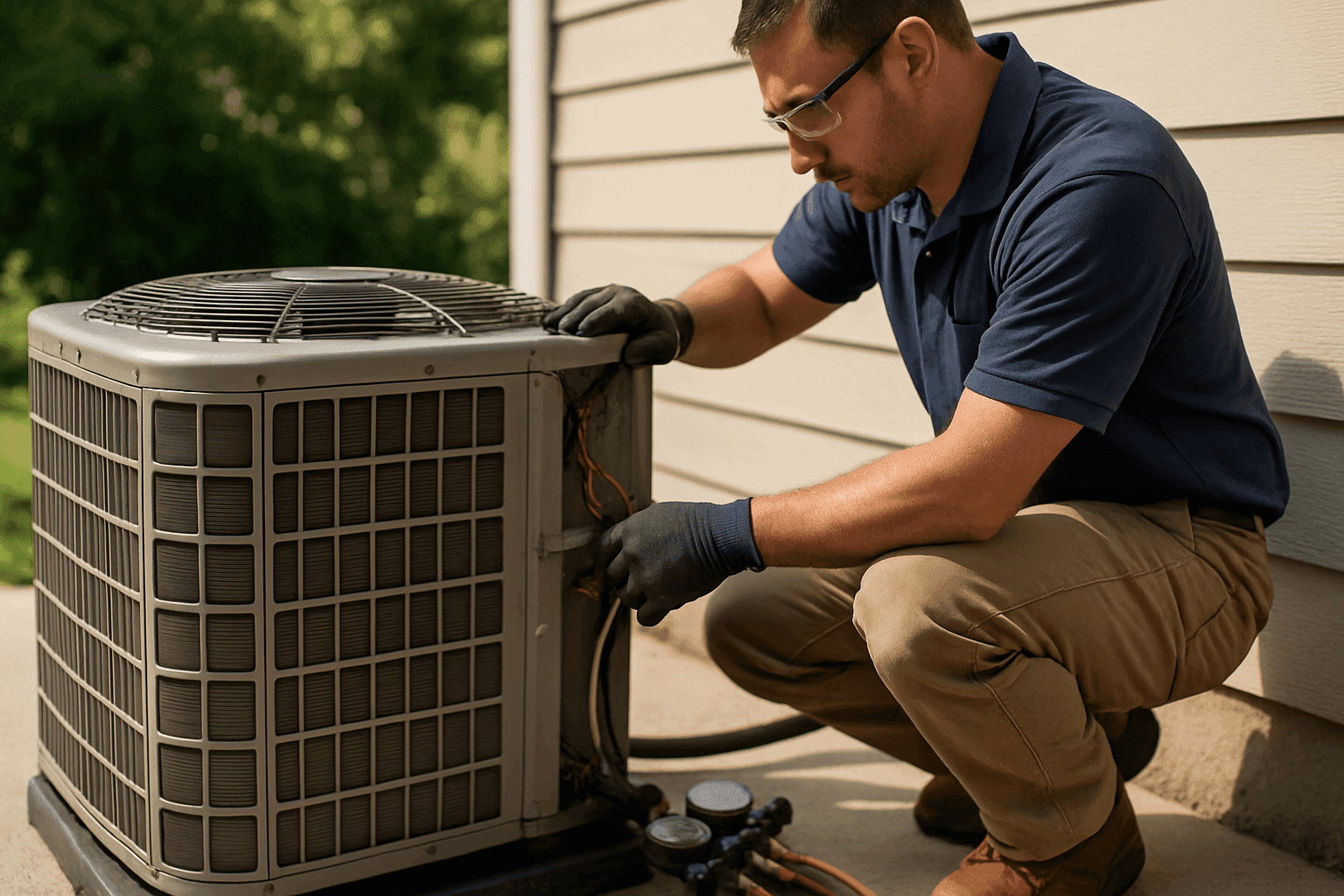
Hot air, sweat beading on your brow, and a silent AC unit. It always seems to happen on the steamiest day of the year—or just as your office fills with clients. When your cooling system fails, panic is natural. But a calm, smart response can make all the difference.
At Holmes Heating & Air, we help families and businesses reclaim comfort fast, with certified repairs and rapid response. Here’s what to do the moment your AC lets you down.
Common Emergency Causes
AC breakdowns rarely come with much warning. The reasons can be as varied as a traffic jam in rush hour—sometimes it’s obvious, sometimes it’s a puzzle. Here are a few of the most frequent culprits:
- Power issues: A tripped breaker, blown fuse, or sudden outage can cut power to your system.
- Thermostat trouble: Dead batteries or incorrect settings can make your cooling vanish in an instant.
- Clogged filters: Dust and debris can choke airflow, causing the unit to overheat and shut down.
- Frozen coils: Low refrigerant or airflow blockages can cause ice to form, halting the system.
- Mechanical failure: Worn parts, like capacitors or motors, can quit without warning.
- Drain line clogs: A blocked condensate line can trigger a safety switch, shutting off your AC.
If you notice odd smells, loud grinding, or the system running but not cooling, these may signal a more complex problem needing immediate attention.
Quick Safety Checklist ⚠️
Before you start troubleshooting, safety comes first. An HVAC system is powerful—treat it with respect.
- Turn off power at the thermostat and circuit breaker before inspecting any equipment.
- Avoid standing water around AC units—electricity and water don’t mix.
- Don’t touch wiring or open up panels unless you’re certain it’s safe.
- If you smell burning, hear popping, or see smoke, evacuate and call emergency services.
- Keep kids and pets away from the equipment until it’s checked.
- Leave gas or refrigerant issues to professionals—these can be hazardous.
Following safety codes, including those from the National Electrical Code (NEC) and your local building authority, is always wise. When in doubt, wait for a certified technician.
DIY Checks You Can Try
Sometimes, the fix is simple—like finding your car keys in your pocket. Try these steps before picking up the phone:
1. Check the Thermostat
- Make sure it’s set to “cool.”
- Replace batteries if the display is blank or dim.
- Lower the temperature 3–5 degrees below room temp.
2. Inspect Power Sources
- Check your home’s breaker panel for a tripped switch.
- Reset if needed, but don’t force it—multiple trips mean a deeper issue.
3. Look at the Air Filter
- A dirty filter can stop cold air in its tracks.
- Replace with a fresh filter. Learn more about filters.
4. Reset Your AC
- Many systems have a reset switch—check your owner’s manual.
- Wait five minutes before turning power back on.
5. Check Outdoor Unit
- Clear away leaves, sticks, and debris from around the condenser.
- Listen for buzzing or clicking—these may be clues for the technician.
If your AC hums to life, celebrate. If not, it’s time to call in backup.
When to Call for Emergency Repair 📞
There’s a time for DIY, and a time to call in the pros. If you notice any of the following, don’t wait:
- AC won’t turn on after basic checks.
- Strange noises—grinding, banging, or screeching.
- Water pooling or leaking from the system.
- Burning, electrical, or chemical odors.
- Ice forming on coils or outside unit.
- System cycles on and off rapidly (short cycling).
- You’re feeling unwell—heat can quickly become a health threat.
Holmes Heating & Air offers 24-hour emergency service for just these moments. Fast, certified repairs by licensed technicians—so you don’t have to sweat it out.
How to Stay Safe and Comfortable While You Wait
AC out, heat rising, and help on the way? Here’s how to keep cool and safe:
- Stay hydrated—drink water, not caffeine or alcohol.
- Close blinds and curtains to block sunlight.
- Use fans to circulate air, but aim them out windows if it’s cooler outside.
- Wear lightweight, loose clothing.
- Limit physical activity during the hottest parts of the day.
- Move to a lower floor—heat rises.
- Check on vulnerable family members, pets, or coworkers.
If the situation feels dangerous—if anyone shows signs of heat exhaustion—get to a cooler place and seek medical help.
DIY vs. Professional AC Repair
It’s tempting to grab a screwdriver and dig in. But HVAC systems are more like a well-tuned orchestra than a simple instrument—one wrong note, and things can go sideways. Here’s a quick guide:
DIY is OK for:
- Resetting breakers.
- Changing air filters.
- Adjusting thermostat settings.
- Clearing debris from outside units.
Call a Pro for:
- Wiring, electrical, or control board issues.
- Refrigerant leaks or recharging.
- Compressor, motor, or fan repairs.
- Persistent drainage or water leaks.
- Burning smells or smoke.
Licensed HVAC technicians have years of training, follow EPA guidelines, and carry the right tools and safety gear. When in doubt, don’t risk it.
What Pros Do On Arrival
When Holmes Heating & Air arrives, here’s what you can expect:
- Rapid assessment—safety check, system diagnostics, and verifying power sources.
- Clear communication—we’ll explain what’s wrong, what needs fixing, and your options.
- On-the-spot repairs—from capacitor swaps to major part replacements (if parts are on hand).
- Testing and cleanup—system run-through, filter check, and workspace left tidy.
We use calibrated tools and up-to-date industry standards—like those from ASHRAE and ACCA—to ensure lasting fixes.
Prevention & Maintenance Tips
Want to avoid the next emergency? A little TLC goes a long way.
- Change your air filter every 30–90 days, or as the manufacturer suggests.
- Schedule regular AC maintenance—yearly tune-ups catch small problems before they grow.
- Keep outdoor units clear of plants, debris, and critters.
- Test your thermostat at the start of each season.
- Listen for odd noises—address them early.
- Consider a Home Energy Audit to spot hidden issues.
Routine maintenance from a certified HVAC contractor can extend your system's life and boost indoor air quality. For those seeking “Mini-Splits near you,” we service and maintain all major brands.
Costs & Time Factors
Emergency AC repairs feel urgent—and sometimes, they are. Here’s what affects repair time and cost:
- Type of failure: Power issues and filter swaps are usually quick. Motor or compressor repairs may take longer.
- Parts availability: Some repairs can be done on the first visit; rare parts may require a follow-up.
- System age and complexity: Older or specialty systems (like geothermal) may need extra care.
- Time of day: After-hours or holiday calls may incur higher rates.
The best way to avoid sticker shock? Preventive maintenance and quick action at the first sign of trouble.
When It’s an Emergency
Not every AC problem needs a midnight call, but true emergencies can’t wait:
- Extreme heat or humidity—threatening health or safety.
- Elderly, infants, or medically vulnerable at risk.
- Major water leaks—risking property damage.
- Unusual odors or smoke—possible fire or electrical danger.
If you’re unsure whether it’s urgent, err on the side of caution. Quick help is just a call away. For residential or commercial AC Repair, Holmes Heating & Air is here for you.
FAQ: Emergency AC Repair
How fast can a technician arrive?
Response times depend on the call volume, time of day, and location. With our 24-hour emergency service, we prioritize true emergencies and aim to dispatch as quickly as possible.
Will I need a full replacement?
Not always. Many AC failures can be fixed with a part replacement or adjustment. Our technicians will walk you through your options.
Is it safe to use fans while I wait?
Yes, as long as you have no electrical hazards or standing water near outlets.
What brands or systems do you service?
We service all major AC brands, including Mini-Splits, central air, and specialty systems. Looking for “Mini-Splits near you”? We’ve got you covered.
Local/Seasonal Considerations
Heat waves and humidity spikes can strain any cooling system. In summer, filter changes and regular maintenance are especially important. Spring is the best time to schedule a tune-up—before the first scorcher hits.
For commercial spaces, after-hours breakdowns can mean lost business. Our 24-hour emergency service keeps your doors open and your clients comfortable.
When your AC goes down, don’t sweat it alone. Holmes Heating & Air is ready—day or night—to restore your comfort and peace of mind.
Call Holmes Heating & Air now — or reach us anytime at 888-835-0228 .