Furnace Installation: Choosing the Right System for Your Needs
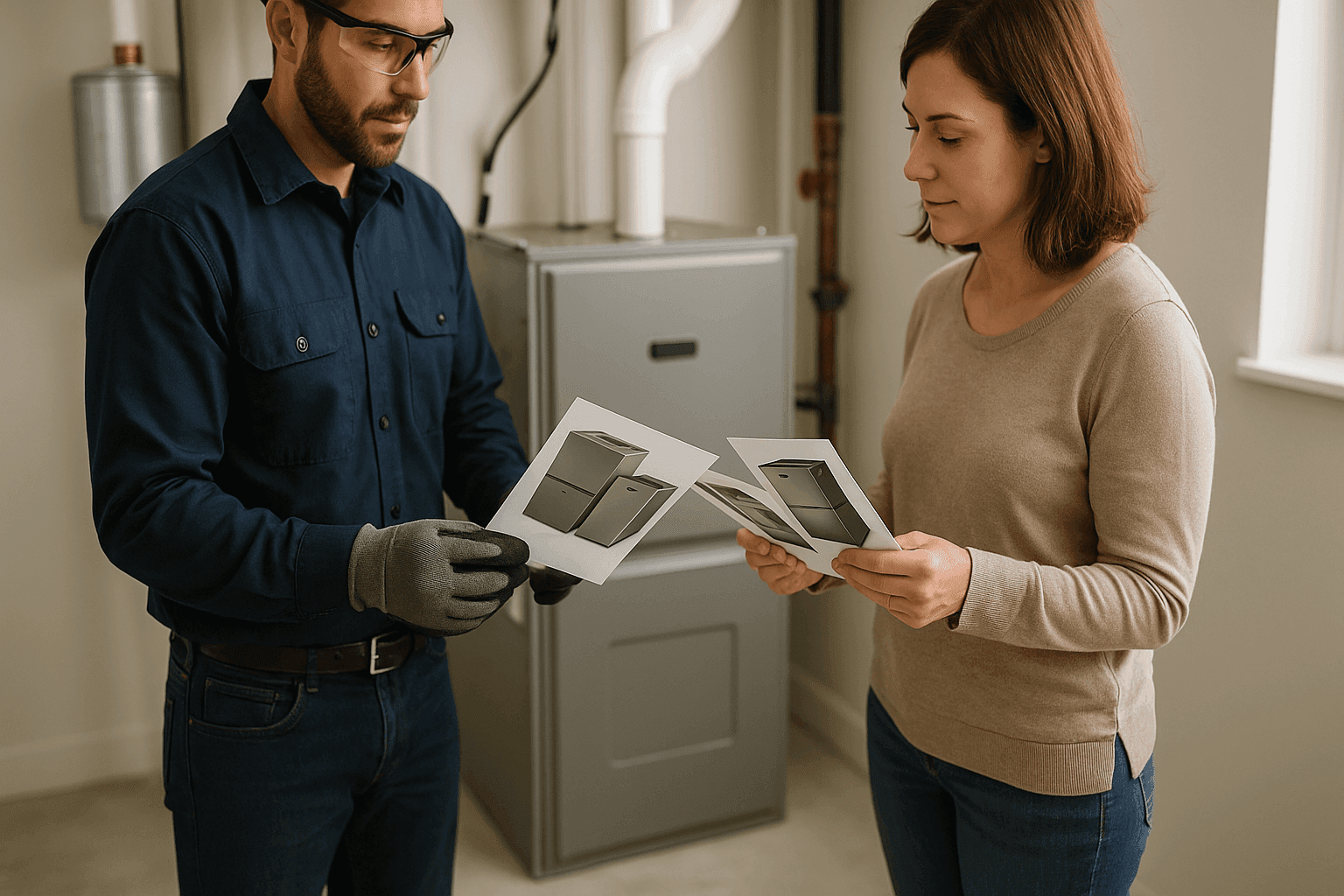
When the cold sets in, your furnace isn’t just a machine—it’s your shield against winter’s bite. Whether you’re a homeowner or you manage a commercial property, choosing the right furnace is a decision that impacts comfort, safety, and monthly bills. At Holmes Heating & Air, we know the stakes are high, and every client deserves a solution that fits.
Let’s cut through the confusion. This guide will walk you through furnace types, sizing, efficiency, costs, and what really happens during installation. Our goal? To help you make a confident, informed choice.
Types of Furnaces: Which One Fits Your Needs? 🔥
Think of furnaces like shoes—not every pair fits every foot, and the wrong fit gets uncomfortable fast. Here are the main types you’ll find on the market:
Gas Furnaces
- Popular for both homes and businesses
- Runs on natural gas
- Heats quickly and tends to be cost-effective if natural gas is available nearby
- Modern models reach up to 98% efficiency (AFUE)
Electric Furnaces
- Simple setup; uses your property’s electrical system
- No combustion, so indoor air stays clean
- Typically less expensive upfront, but electricity costs can add up
- Often used where gas isn’t available
Oil Furnaces
- Common in areas without natural gas lines
- Delivers powerful heat, especially in older buildings
- Requires on-site oil storage and regular refueling
- Maintenance is a little more hands-on
Other Options: Hybrid & Geothermal
- Hybrid systems combine electric heat pumps with gas backup furnaces
- Geothermal systems use the earth’s temperature for ultra-efficient heating
- Both options can save energy, but involve higher installation investments
Sizing and Efficiency: Why Size Matters
Ever worn a jacket three sizes too big? A furnace that’s too large or too small creates similar problems—wasted money, uneven warmth, and even breakdowns.
How Pros Size a Furnace
- Manual J Load Calculation: This method (recommended by ACCA and Energy Star) considers your space’s square footage, insulation, window quality, and more.
- BTUs: The "strength" of your furnace is measured in British Thermal Units. Too few, and you’ll shiver. Too many, and you pay extra for cycling and wear.
Efficiency Ratings
- AFUE (Annual Fuel Utilization Efficiency): Measures how much fuel becomes usable heat. The higher, the better.
- ENERGY STAR® Certified: Look for this label for lower energy bills and emissions.
- Features that Boost Efficiency:
- Variable-speed blowers
- Programmable thermostats
- Zoned heating capabilities
Cost Comparisons: Looking Beyond the Sticker Price 💡
Like any big purchase, furnaces come with a price tag—and a story behind those numbers.
Upfront Costs
- Gas furnaces: Usually mid-range for purchase and install
- Electric: Lower to buy, but may cost more to run long-term
- Oil: Higher upfront (especially with tank installation) and ongoing fuel costs
Operating Costs
- Fuel prices: Natural gas is often cheapest, but it depends on local rates
- Maintenance: Gas and oil systems need annual checkups; electric units need less
- Repairs: Older oil systems can be pricier to fix due to parts and expertise
Rebates & Tax Credits
- Check for local utility rebates or incentives for high-efficiency models (reference: ENERGY STAR, IRS guidelines)
- Some municipalities offer credits for upgrading to energy-saving systems
Installation Steps: What to Expect
Furnace installation isn’t a DIY weekend project. Here’s what happens when you bring in licensed HVAC pros from Holmes Heating & Air:
- Assessment: We review your heating needs, existing ductwork, and energy usage.
- System Selection: Help you weigh fuel types, efficiency, and special features.
- Removal: Safely disconnect and haul away your old furnace.
- Prep Work: Update or modify ductwork, electrical lines, or fuel connections if needed.
- Install: Place and secure the new furnace, ensuring every connection is code-compliant.
- Testing: Fire up the system, check for leaks or issues, and calibrate settings.
- Walkthrough: Show you how to use your new system and answer questions.
All installations follow local building codes (see International Residential Code and manufacturer guidelines).
Maintenance Tips: Keeping Your Furnace Healthy 🛠️
A furnace is like a car. Ignore it, and you’ll end up stranded on the coldest night.
- Change your filter: Every 1–3 months, or as recommended by your system
- Schedule annual tune-ups: Catch small problems before they grow
- Listen for odd noises: Clicks, bangs, or rattles mean it’s time for a checkup
- Keep vents clear: Furniture or clutter can block heat flow
- Test your thermostat: If rooms feel uneven, calibration may be needed
Need help? Our HVAC Maintenance program is a great way to stay on track.
Transparent Pricing and Warranty
At Holmes Heating & Air, we believe in clear, upfront pricing. No hidden fees. No surprises. All our furnace installations are performed by licensed, insured technicians. We’ll walk you through available manufacturer warranties and help you register your new system for coverage.
Choosing a Furnace: Step-by-Step
- Assess your property: Age, size, insulation, and existing fuel sources
- Set your budget: Consider both install and long-term energy costs
- Prioritize features: Noise level, air quality upgrades (like humidifiers or air scrubbers), smart thermostat compatibility
- Schedule a professional evaluation: An accurate load calculation is key
- Review your options: Ask about rebates, maintenance needs, and warranty details
For those near Wayne County, see Furnace Installation near Dearborn.
Frequently Asked Questions
How long does a furnace last?
With proper maintenance, most furnaces run 15–20 years. Oil furnaces may need replacement sooner.
Can I install a furnace myself?
HVAC installation requires permits, knowledge of fuel lines/electrical, and code compliance. DIY can risk your safety and void warranties.
What’s the difference between single-stage and variable-speed?
Single-stage furnaces are either ON or OFF. Variable-speed models adjust airflow, delivering smoother and more efficient heat.
Why does my furnace keep shutting off?
Possible causes: dirty filters, faulty thermostats, or an oversized system. A pro can diagnose and fix the root issue.
Local and Seasonal Considerations 🌨️
In regions with frigid winters, a well-sized and reliable furnace is a must. If you’re considering alternatives, like Mini-Splits near you, weigh your building’s insulation and layout. For allergy-prone households, pairing your new furnace with IAQ upgrades (like air scrubbers or high-efficiency filters) can boost comfort and health all season.
Ready for a Warmer, More Comfortable Space?
Don’t leave comfort to chance. Whether it’s time for a new system or you just want an honest assessment, Holmes Heating & Air is here for your furnace installation needs.
Call Holmes Heating & Air now — or reach us anytime at 888-835-0228 .