Generator Maintenance: How to Keep Backup Power Ready
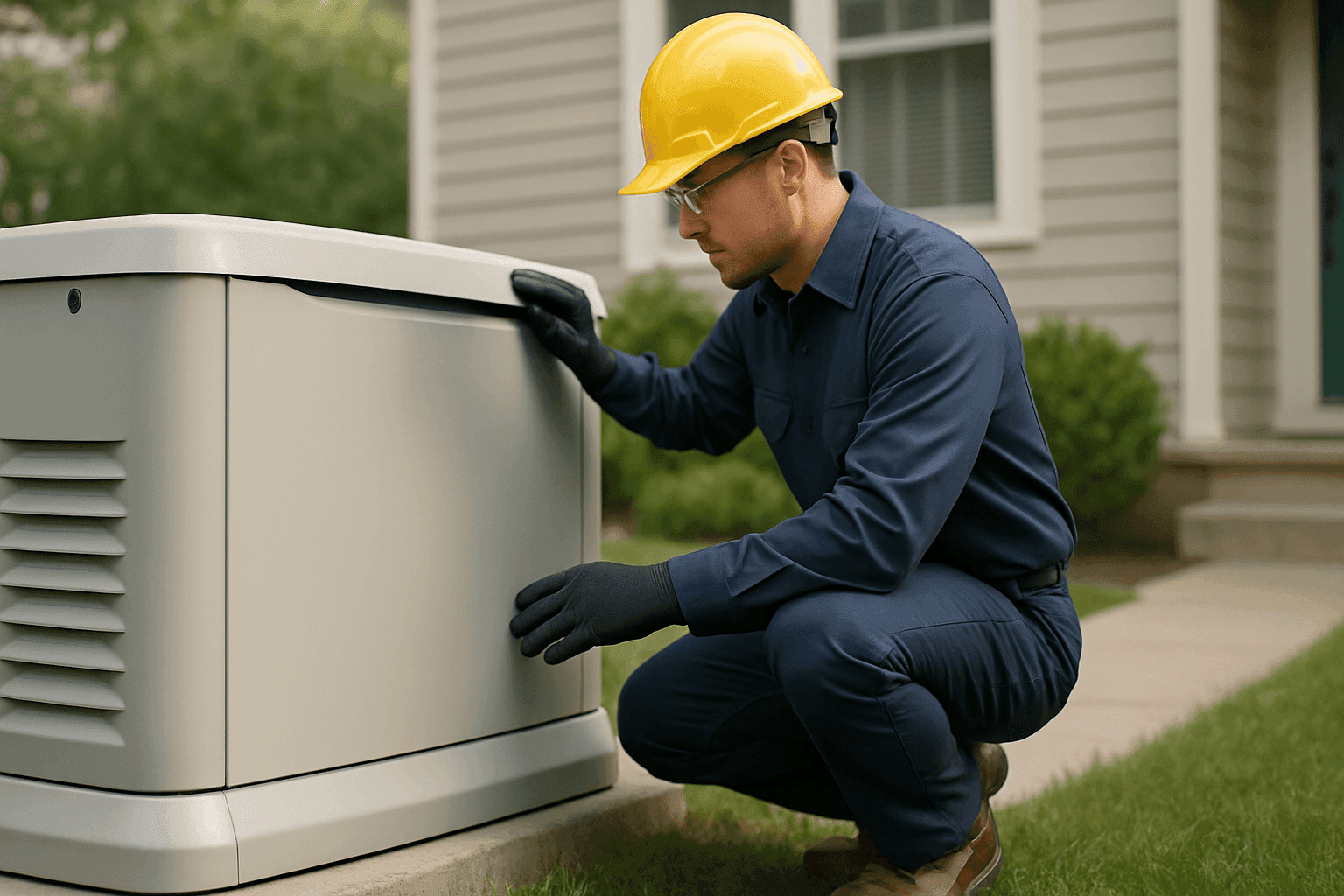
When the lights flicker and the storm howls, you depend on your generator like a steadfast friend. But will it answer the call—or leave you in the dark? At Holmes Heating & Air, we know how crucial reliable backup power is for homes and businesses. Especially when outages strike at the worst possible moment.
You don’t have to be an electrician to keep your generator in shape. But you do need a plan. Let’s talk about keeping your generator ready when you need it most.
Why Generator Maintenance Can’t Wait
Life throws curveballs—a sudden storm, a blown transformer, or the kind of wild weather that makes you grateful for every backup you’ve got. A generator isn’t just a machine. It’s your insurance against the unexpected.
Without routine maintenance, even the best generators can fail. And failure means more than inconvenience. It can threaten food safety, home comfort, and business operations. Think of generator maintenance like regular HVAC checkups or changing the oil in your car. Ignore it, and problems sneak up on you.
Generator Maintenance Checklist 🛠️
Let’s break down the essentials. Here’s what should be on every generator owner’s checklist:
- Oil Level & Quality: Just like a car engine, your generator’s oil must be checked and changed regularly. Old, dirty oil can ruin the engine.
- Fuel System: Inspect for leaks, stale fuel, or sediment. Gasoline goes bad faster than most people think—replace as needed.
- Battery Health: Batteries power the starter. Weak or corroded batteries are the top cause of generator “no-start” calls.
- Air Filter & Spark Plug: Clean air and strong sparks mean smooth starts. Replace filters and plugs according to your manual.
- Coolant & Belts: For liquid-cooled models, top off coolant and inspect belts for cracks.
- Test Run: Start your generator at least once a month. Listen. Any strange noises or warning lights? Address them before the next outage.
- Exhaust & Venting: Make sure nothing blocks the exhaust. Carbon monoxide is deadly—never run a generator indoors or in enclosed spaces.
- Transfer Switch: If you have an automatic transfer switch, test its function. Manual? Make sure you know how and when to use it.
For more on safety, the National Fire Protection Association (NFPA) and the Electrical Safety Foundation International (ESFI) both provide guidelines on generator installation and use.
How Often Should You Service Your Generator?
Service frequency depends on several factors:
- Manufacturer Recommendations: Always start with your owner’s manual. Most suggest oil changes every 100 hours or annually—whichever comes first.
- Usage: Standby generators need less frequent care than those used as primary power sources.
- Environment: Dusty, humid, or extreme climates demand more checks.
- Fuel Type: Gasoline and diesel degrade over time. Propane and natural gas are more stable but still need system checks.
Our certified technicians at Holmes Heating & Air typically recommend a full inspection and test at least once a year for residential units. Commercial sites, or locations with frequent outages, may need quarterly visits.
Common Generator Issues (and How to Spot Them)
Generators are tough, but certain problems crop up more than others:
- Battery Failure: Batteries discharge over time, especially in cold weather.
- Fuel Problems: Old, contaminated, or low fuel causes stalling or hard starts.
- Oil Leaks: Drips underneath or low oil on the dipstick? Time to investigate.
- Overheating: Blocked vents, low coolant, or failing fans can cause shutdowns.
- Electrical Faults: Wiring issues can trip breakers or cause power surges.
- Starter Motor Issues: Clicking noises or slow cranking often point to the starter or battery.
Don’t ignore warning lights or odd sounds. They’re like your generator’s way of waving a red flag.
DIY vs. Professional Generator Maintenance
Some tasks are perfect for handy homeowners or business managers:
- Checking oil, fuel, and coolant levels
- Monthly test runs
- Keeping the area clear of debris
But other jobs demand a pro’s tools and training:
- Full electrical testing
- Deep cleaning of carburetors or injectors
- Diagnosing engine codes
- Handling transfer switch wiring
- Replacing belts, batteries, or specialized parts
At Holmes Heating & Air, our techs are certified for residential and commercial generator maintenance. We offer generator installation as well as routine service. For anything beyond the basics, especially if your generator is still under warranty, it’s best to call in the professionals.
What Pros Do When They Arrive
When you call us for generator maintenance or repair, here’s what to expect:
- Safety Check: We inspect for leaks, loose wires, and code compliance.
- Oil & Filter Change: We drain old oil, replace filters, and top off fluids.
- Battery & Electrical Test: We check voltage, connections, and starter function.
- Load Test: We simulate a real outage to make sure your generator carries the load.
- Inspection Report: You get a detailed summary—what’s good, what needs attention, and when to schedule your next visit.
We don’t just check boxes. We listen, test, and make sure every detail is right—so your backup power is ready the next time you need it.
Preventive Maintenance: The Key to Long Life
A generator is a lot like a marathon runner. It needs regular training, the right fuel, and the occasional tune-up to stay in peak condition.
- Run it monthly: Even if there’s no outage, start and run your generator for 10–15 minutes under load.
- Keep records: Log every maintenance step—dates, oil changes, battery replacements.
- Store fuel safely: Rotate gasoline every 6–12 months. Use stabilizer if storing long-term.
- Inspect after storms: High winds, flooding, or falling branches can damage outdoor units.
Preventive care saves money and stress. It’s the difference between a quick fix and a costly repair.
Costs & Time Factors
Generator maintenance isn’t just about money—it’s about peace of mind. Here’s what to consider:
- Routine service: Annual maintenance usually takes 1–2 hours for a residential unit.
- Parts: Oil, filters, batteries, and spark plugs are typical consumables.
- Repairs: Costs climb if major components (like alternators or transfer switches) fail.
- Downtime: Proactive care means fewer surprises and less disruption.
Keep in mind: Skipping maintenance can void warranties and lead to bigger repairs down the road.
When It’s an Emergency 🚨
Sometimes, things go wrong at the worst possible time. That’s why Holmes Heating & Air offers true 24-hour emergency service.
If your generator won’t start during an outage, or you hear alarms or smell fuel, don’t panic:
- Shut it down safely.
- Call for help. Our team is trained for urgent HVAC and generator repairs.
- Stay safe. Never attempt electrical repairs yourself, especially in wet or stormy conditions.
For those in the area, you can always reach out for Generator Maintenance near Levittown.
FAQ: Generator Maintenance
How long do home generators last?
With regular maintenance, quality generators often last 10–30 years.
Can I use my generator indoors?
Never. Generators emit carbon monoxide—a deadly, invisible gas. Always run them outdoors, far from windows and doors.
What’s the difference between standby and portable generators?
Standby generators are permanently installed, start automatically, and power whole buildings. Portable units are for temporary, manual use and require careful setup.
How do I know if my generator is big enough?
Add up the wattage of critical appliances, HVAC systems, and lighting. A professional can help you right-size your backup power.
Local & Seasonal Considerations
Here in our region, summer storms and winter ice can both knock out power. Heat and cold stress generators differently:
- Summer: Watch for overheating and keep vents clear.
- Winter: Battery health and fuel gelling are common issues. Keep fuel lines and starter batteries warm if possible.
Remember, Holmes Heating & Air is your go-to for Mini-Splits near you, generator maintenance, and full HVAC support year-round.
When power matters, don’t leave it to chance. Schedule your generator maintenance with the certified, responsive team at Holmes Heating & Air.
Call Holmes Heating & Air now — or reach us anytime at 888-835-0228 .