Geothermal HVAC Systems: Are They Worth the Investment?
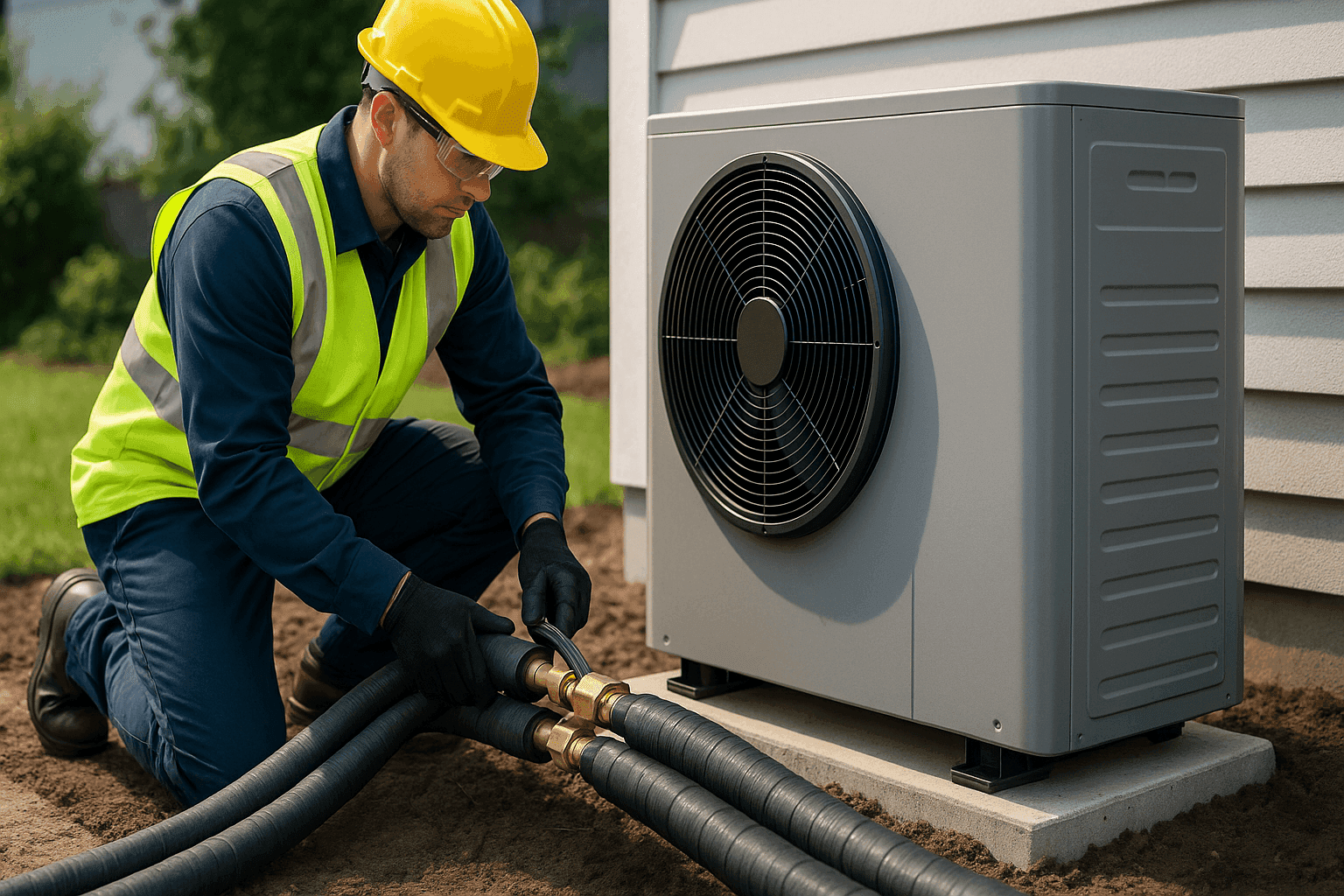
Is your energy bill climbing higher every season? Wondering if there’s a smarter way to heat and cool your property? Homeowners and business owners alike are searching for reliable, efficient options that last. Holmes Heating & Air has seen the shift firsthand: more customers asking about geothermal HVAC.
Geothermal sounds high-tech, maybe even futuristic. But the truth is, the earth’s constant temperature beneath your feet could be your ticket to year-round comfort and lower monthly costs. Let’s dig into the details, debunk myths, and see if geothermal is a smart investment—or just a pipe dream.
Geothermal HVAC Basics: How Does It Really Work? 🌎
Imagine your home or business as a cozy island, floating in a steady sea of underground warmth. That’s the heart of geothermal: using the earth’s stable temperature as a source or sink for heating and cooling.
- Ground loops: Pipes are buried underground, carrying water or refrigerant.
- Heat pump: Inside, a geothermal heat pump moves warmth from the earth into your building in winter, or pulls heat from indoors and dumps it underground in summer.
- Distribution: Air handlers or radiant systems spread that comfort through your rooms.
Unlike traditional HVAC, which fights outdoor air that swings from freezing to sweltering, geothermal taps into steady soil temps—usually 45–75°F just a few feet down. This steadiness means less energy used to keep your space comfortable.
Bonus: Geothermal systems can also help with hot water, add humidity in winter, and dehumidify in summer. One system, many benefits.
Geothermal Installation: What’s Involved?
Installing a geothermal system is like planting a tree—there’s digging, planning, and patience involved, but the long-term payoff can be huge.
The process usually includes:
- Site assessment: Technicians evaluate soil type, yard space, landscaping, and existing HVAC.
- Loop installation: Depending on your property, loops may be installed horizontally (trenches in your yard), vertically (deep wells), or in a pond/lake if available.
- Heat pump placement: Typically inside your home, like a furnace or standard HVAC unit.
- Connection: The system is tied into your ductwork, radiant floors, or both.
Most installations for homes or small businesses take a few days to a week. Larger commercial properties may need longer. Trained installers—like those at Holmes Heating & Air—follow local building codes and industry standards (ASHRAE, IGSHPA guidelines) for safety and efficiency.
Cost vs. Savings: The Long Game
Here’s the honest truth: geothermal HVAC systems cost more upfront than traditional units. For most homes, you’re looking at an investment that can be two to four times higher than a standard furnace and air conditioner setup.
But here’s where the scales tip:
- Energy savings: Geothermal typically cuts heating/cooling costs by 30–70%.
- Payback period: Most property owners see a return on investment within 5–10 years.
- Incentives: There may be federal, state, or local tax credits and rebates available for geothermal installation. Always check the latest options with your HVAC provider or Energy.gov.
- Longevity: Underground loops often last 50+ years; heat pumps, 20–25 years.
Think of it like buying a reliable truck instead of a used sedan—upfront cost, but fewer breakdowns and lower gas bills for years.
Environmental Impact: Clean Comfort for the Future 🌱
Geothermal isn’t just about saving money. It’s about using less energy and shrinking your carbon footprint.
- No burning fuel: No combustion in your basement or backyard.
- Lower emissions: The U.S. Environmental Protection Agency (EPA) calls geothermal “the most energy-efficient, environmentally clean, and cost-effective space conditioning system available.”
- Quiet operation: No outdoor condenser units humming away in the night.
For homes and businesses looking to boost their sustainability, geothermal is a clear leader.
Maintenance Needs: What to Expect
Every HVAC system needs care—and geothermal is no exception. But the maintenance is more like tending a garden than wrestling with a junkyard.
Routine care includes:
- Filter changes: Just like any forced-air system, keep those filters clean.
- Annual checkups: A certified technician inspects refrigerant, pumps, and the loop system.
- Occasional cleaning: Air handlers, ductwork, and controls may need attention every few years.
Because the underground components are protected from the elements, they rarely need repairs. The indoor heat pump is accessible and easier to service than a rooftop unit or furnace in a crawlspace.
For more on keeping your system running strong, see our HVAC maintenance service.
Geothermal vs. Traditional HVAC: A Clear Comparison
When weighing options, it’s like comparing apples to oranges—or maybe apples to apple trees.
Traditional HVAC:
- Lower initial cost
- Shorter lifespans (furnaces/AC units last 10–15 years)
- Higher monthly bills (especially in extreme climates)
- Relies on fossil fuels or electricity
Geothermal:
- Higher upfront investment
- Longer lifespan (especially ground loops)
- Much lower operating costs
- Renewable, sustainable, safer
Still not sure? Our team has installed both types in homes and businesses across our service area. We’ve seen firsthand how geothermal transforms comfort and cuts costs year after year.
Certified Installers, Real Results
Geothermal isn’t a weekend DIY project. Holmes Heating & Air’s technicians are fully certified, trained to meet national standards, and use only high-quality equipment. We follow safety codes and manufacturer recommendations on every job.
Case Study: One of our clients, a family of four in a 2,400-square-foot home, switched to geothermal. Their heating and cooling bills dropped by more than half the first year—without sacrificing comfort. Businesses we’ve served have seen similar savings, improved air quality, and quieter workspaces.
Warranties: Most geothermal heat pumps come with manufacturer-backed warranties, often 10–12 years for the pump and 25+ years for ground loops. We’re happy to review these details during a home energy audit or consultation.
Is Geothermal Right for Your Property?
Not every property is a perfect fit for geothermal—but many are. The best way to know for sure? An on-site assessment by certified professionals.
Best candidates:
- Properties with enough yard or land for loop installation
- Buildings with high heating/cooling needs
- Owners planning to stay long-term
- Those looking to lower energy costs and boost property value
Not ideal for:
- Very small lots with no yard access
- Temporary structures or short-term leases
Curious what’s possible for your location? See Geothermal near me in Coventry.
Practical Tips Before You Invest
- Ask about incentives: Tax credits and rebates can offset installation costs.
- Schedule a home energy audit: Identify insulation, ductwork, and HVAC issues first.
- Check contractor credentials: Only work with certified geothermal installers.
- Plan for landscaping: Some digging and yard restoration may be required.
- Review maintenance options: Annual checkups keep your system running smoothly.
Geothermal FAQ
Q: Do geothermal systems work in cold climates?
A: Absolutely. The earth’s temperature stays relatively stable year-round, so geothermal works even when it’s freezing above ground.
Q: Can I use my existing ductwork?
A: In many cases, yes—though some upgrades may be needed for maximum efficiency.
Q: How long will the installation take?
A: Most residential projects take 3–7 days, depending on soil, property size, and system design.
Q: Are geothermal systems noisy?
A: Not at all. They’re some of the quietest HVAC solutions available.
The Bottom Line: Worth the Investment?
For many residential and commercial property owners, geothermal offers a rare mix of comfort, savings, and peace of mind. It’s an investment in your property—and in a cleaner, quieter future.
Ready to explore if geothermal is right for your home or business? Our certified team at Holmes Heating & Air is here to help, from your first question to installation and beyond.
Call Holmes Heating & Air now — or reach us anytime at 888-835-0228 .