Heating Repair: Common Problems & How to Avoid Winter Emergencies
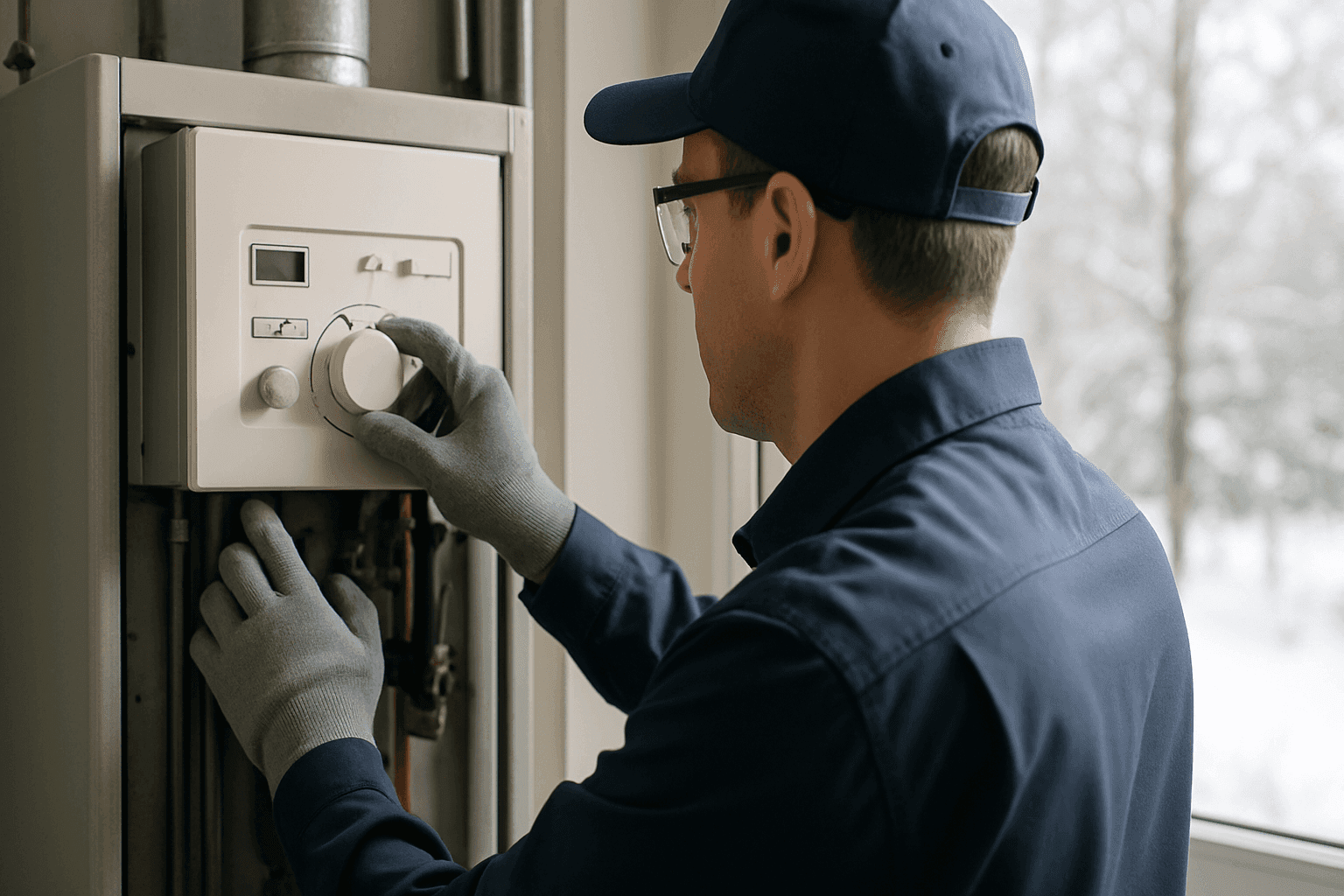
Is there anything worse than waking up to a freezing house in the middle of winter? When your heating system fails, it’s like the cold sneaks right into your bones. At Holmes Heating & Air, we know how stressful these moments can be—and how a small problem can quickly snowball into a true winter emergency.
You want answers. You want fixes that work. Here’s what you need to know to keep your family, home, or business warm and safe—without wasting time or risking bigger damage.
Common Heating Problems 🔥
Heating systems are built tough, but winter can push them to their limits. Here are the most common issues we see when the temperature drops:
- No heat at all: Your furnace or heat pump runs, but cold air blows. Or nothing happens.
- Strange noises: Banging, whistling, rattling, or grinding sounds that weren’t there before.
- Short-cycling: The system turns on and off quickly, never reaching the right temperature.
- Pilot light or ignition problems: The pilot won’t stay lit, or the electronic ignition fails.
- Uneven heat: Some rooms feel like saunas, others like iceboxes.
- Blower runs constantly: The fan won’t stop, even when the house is warm.
These problems can sneak up quietly, or hit all at once. Sometimes, it’s just a minor glitch. Other times, it signals a much bigger issue.
Quick Safety Checklist
Before you do anything else, pause. Safety comes first. Here’s a quick checklist to protect everyone in your home or business:
- Check your carbon monoxide detectors. If you hear an alarm, leave and call for help.
- Smell gas? Get out fast. Contact your gas company or emergency services immediately.
- Turn off your system if you notice burning smells, electrical odors, or see sparks.
- Never block vents or registers with furniture, rugs, or clutter.
- Keep flammable materials away from furnaces, radiators, and heating equipment.
Following these steps can prevent a bad day from turning into a disaster.
DIY Checks: What You Can Try Before Calling
Sometimes, a small fix can save you a service call. Try these steps:
- Thermostat: Make sure it’s set to “heat” and the temperature is higher than the room temp. Replace the batteries if needed.
- Power switches: Confirm the breaker and furnace power switch are “on.”
- Air filter: A clogged filter can choke your system. Change it if it’s dirty. (This is the most overlooked culprit!)
- Vents and registers: Open and clear them in every room.
- Pilot light: If you have an older furnace, check if the pilot is lit. If comfortable and safe, relight it following your owner’s manual.
- Outdoor units: For heat pumps or Mini-Splits near you, clear leaves and debris away from the outdoor unit.
If the problem still isn’t clear, or your system is making alarming noises, it’s time to get help.
Warning Signs of Emergencies 🛑
Not every heating issue is urgent. But some need immediate attention:
- No heat in extreme cold: Risk of frozen pipes or health dangers.
- Rapid short-cycling: Can overheat and damage your system.
- Loud banging or screeching: May indicate a broken part or dangerous buildup.
- Persistent burning or electrical smells: Potential fire risk.
- Carbon monoxide alerts: Treat as a life-threatening emergency.
If you hit any of these, don’t wait. Professional help is the safest option.
DIY vs. Call a Pro
Knowing when to roll up your sleeves—and when to pick up the phone—can make all the difference.
DIY is usually safe for:
- Changing filters
- Checking thermostat settings and batteries
- Resetting breakers or power switches
- Clearing vents and returns
Call a professional for:
- Repeated short-cycling or system won’t start
- Gas, electrical, or pilot issues
- Loud or unusual noises
- Burning smells or visible sparks
- Furnace, boiler, or radiant heat repairs
HVAC systems are like the heart of your home. Messing with gas lines, high-voltage wiring, or combustion chambers without training is risky. Licensed HVAC technicians (like those at Holmes Heating & Air) are trained and certified to handle these safely.
Learn more about our heating-repair and heating-maintenance services.
What Pros Do On Arrival
When a Holmes Heating & Air technician arrives, here’s what you can expect:
- Full system diagnosis: We’ll listen, inspect, and test each part to find the root cause.
- Code-compliant repairs: We follow manufacturer guidelines and safety codes (like those from the National Fire Protection Association and local building codes).
- Clear explanations: You’ll know your options before any repair begins.
- Test and confirm: We verify safe, reliable operation before leaving.
- Advice for next steps: If your system is aging, we’ll discuss maintenance or replacement options.
Your safety and comfort are always our top priorities.
Prevention & Maintenance 🧰
The best defense against winter breakdowns? Regular care.
- Change filters every 1–3 months, or as recommended by your system.
- Schedule annual inspections: A professional tune-up before winter can catch problems early.
- Keep outdoor units clear: Remove leaves, snow, and debris from around heat pumps and Mini-Splits.
- Seal air leaks: Insulate windows, doors, and ductwork to keep heat in and cold out.
- Test carbon monoxide detectors and replace batteries regularly.
- Ask about air balancing: Uneven heating can often be fixed by adjusting dampers or airflow.
Consider a furnace-repair or maintenance plan—it’s like a checkup for your system before the busy season.
Costs & Time Factors
Heating repair costs can vary. It’s a bit like car repairs—changing a filter is quick and inexpensive, but fixing a cracked heat exchanger takes longer and costs more.
Typical time: Simple fixes (like thermostat or filter issues) may take less than an hour. Larger repairs or part replacements can take several hours.
What affects cost:
- Age and type of your system (furnace, boiler, heat pump, radiant, etc.)
- Part availability
- Labor time
- Emergency after-hours calls
Honest HVAC pros will walk you through the diagnosis and estimated time before starting work.
When It’s an Emergency 🚨
How do you know it’s time to call right away?
- No heat during freezing temps—risk of frozen pipes or health issues
- Gas smell, burning odor, or sparks
- Repeated system shutoffs or loud banging
- Carbon monoxide detector alarms
Don’t wait. Emergency HVAC services (like our 24-hour team) are designed for situations exactly like these. Fast response can prevent further damage and keep your family or business safe.
FAQ: Heating Repair & Winter Emergencies
How often should I schedule heating maintenance?
Once a year is the minimum. Most manufacturers and the U.S. Department of Energy recommend a tune-up each fall.
Why does my furnace keep turning off and on?
Short-cycling is often caused by a dirty filter, thermostat issues, or overheating. If quick fixes don’t help, call for professional help.
What’s the normal life of a furnace?
Most last 15–20 years, but regular maintenance can extend that.
Is it safe to use portable heaters if my furnace fails?
Portable heaters can help in a pinch, but always use them according to manufacturer instructions. Never leave them unattended and keep them far from flammables.
Local/Seasonal Considerations
Winters can be unpredictable—one day mild, the next arctic. That’s why heating systems in our region need to be ready for anything. Dust, pollen, and moisture from fall and early winter can clog filters or vents. Power outages can also cause problems, so consider generator maintenance or installation as part of your winter prep.
If you’re in need of Tullahoma, Tennessee Heating Repair, Holmes Heating & Air is here to help—day or night.
A warm home shouldn’t be a gamble. Stay ahead of winter’s worst with regular care, smart troubleshooting, and the right help when you need it most.
Call Holmes Heating & Air now — or reach us anytime at 888-835-0228 .