Home vs. Commercial HVAC: Key Differences Every Owner Should Know
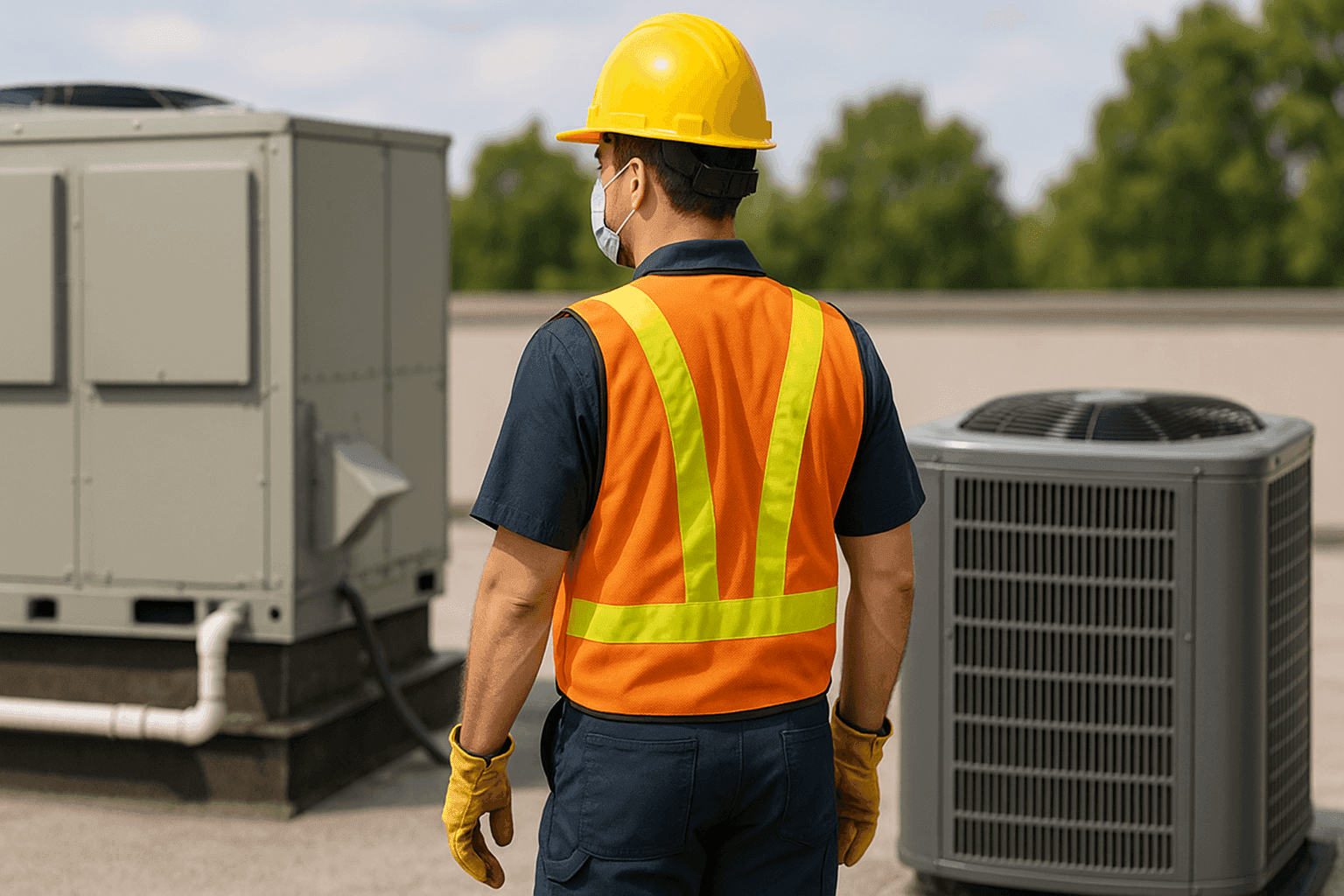
When you think about "HVAC," you might imagine your home’s AC humming on a hot afternoon or the steady warmth from your furnace in winter. But if you own or manage a business, the story is much bigger. Commercial heating and cooling systems are a world apart from residential setups—like comparing a commuter car to a city bus. Both get you where you need to go, but the journey and demands couldn’t be more different.
At Holmes Heating & Air, we’ve spent years working on both sides of this fence. Our certified technicians see the unique challenges owners face—whether it’s a single-family home or a sprawling warehouse. Here’s what every property owner should know before investing in a new HVAC system or scheduling that next maintenance check.
Home HVAC Basics 🏠
Think of your home’s HVAC system as the personal assistant for your indoor comfort. Most residences use forced-air heating and cooling, with a single outdoor condenser, indoor air handler, and ductwork. Some modern homes opt for Mini-Splits near you, radiant heating, or even geothermal options.
Key traits of home HVAC systems:
- Sized for smaller spaces—usually under 5 tons of cooling capacity.
- Simpler controls (just a thermostat or two).
- Ductwork typically runs through attics, basements, or crawl spaces.
- Maintenance needs are straightforward: filter changes, occasional duct cleaning, and seasonal tune-ups.
Home systems are designed for comfort, not complexity. But even simple setups need regular care—neglected filters or leaky ducts can drive up bills and wear out your equipment faster.
Commercial HVAC Features 🏢
Now picture the difference between a cozy home and a busy office tower. Commercial HVAC systems are built for scale, flexibility, and reliability—often working round-the-clock to keep hundreds of people comfortable.
What sets commercial HVAC apart:
- Size & Power: Systems can be 10, 20, even 100 tons or more, cooling huge spaces or multiple floors.
- Complexity: Modular units, rooftop packages, chillers, boilers, and advanced zoning.
- Controls: Digital building management systems allow precise scheduling, remote access, and custom temperature zones.
- Airflow: Sheet metal ductwork must be engineered to handle large volumes and complex layouts.
- Regulations: Commercial spaces must meet strict codes for ventilation, fire safety, and energy efficiency (per ASHRAE, OSHA, and local ordinances).
Business systems are less forgiving than home units. A single breakdown can mean closing shop, lost revenue, or even health risks for workers and customers. That’s why regular hvac-maintenance and code compliance aren’t optional—they’re essential.
Maintenance and Costs
It’s tempting to think HVAC is set-and-forget, but both home and commercial systems demand regular care. Still, the scale and stakes are much different.
Home HVAC: What to Expect
- Frequency: Tune-ups twice a year (heating and cooling seasons).
- Tasks: Filter replacements, duct cleaning, checking refrigerant, thermostat calibration.
- Costs: Lower up front, but repairs can add up if systems are neglected.
Commercial HVAC: What’s Different
- Frequency: Inspections may need to happen monthly or quarterly, especially for mission-critical systems.
- Tasks: Belt and bearing checks, coil cleaning, control calibration, airflow balancing, IAQ testing, and code documentation.
- Costs: Higher, due to system size and complexity. But prevention is far cheaper than emergency repairs or downtime.
Want to see how professional service stacks up? Our certified crews handle everything from custom sheet metal fabrication to emergency repairs—protecting your investment and keeping your building safe.
Upgrade Considerations
Thinking of replacing or upgrading your system? The stakes are different for homes and businesses.
For Homeowners
- Efficiency: Upgrading to a modern heat pump or adding Mini-Splits near you can lower energy bills and make rooms more comfortable.
- Air Quality: Consider air scrubbers, dehumidifiers, and IAQ testing to reduce allergens and improve health.
- Smart Controls: Modern thermostats make it easy to save energy and get alerts when maintenance is due.
For Businesses
- Scalability: Systems should be sized for current needs—and future growth.
- Redundancy: Backup generators or parallel systems can prevent downtime.
- Compliance: Upgrades must meet evolving safety and energy codes (see ASHRAE and EPA guidelines).
- Sheet Metal Work: Custom ducting can improve efficiency and airflow—essential for large or unique spaces.
Need help weighing your options? We install and service all types of systems, from residential furnaces to commercial rooftop units. See HVAC Installation in Bullhead City for more on what’s involved.
Practical Tips for Owners
- Change filters every 1–3 months (homes) or as recommended (commercial).
- Schedule preventive maintenance before peak seasons.
- Monitor your energy bills—unexpected spikes could signal trouble.
- For businesses: keep documentation of maintenance for code compliance.
FAQ
What’s the biggest difference between home and commercial HVAC?
Scale and complexity. Home systems are smaller and simpler; commercial systems are engineered for large spaces, heavy use, and strict regulations.
How often should my system be serviced?
Homes: twice a year (spring and fall). Businesses: quarterly, or as required by local codes and system type.
Can I upgrade my home HVAC to a commercial-grade system?
Rarely necessary. Homes are best served by residential systems designed for comfort and efficiency. Commercial-grade equipment is overkill for most houses.
What certifications should my HVAC provider have?
Look for technicians certified by NATE (North American Technician Excellence) or similar organizations. Holmes Heating & Air’s crews are fully certified and trained for both home and commercial projects.
Codes & Safety Guidelines
Always make sure your HVAC system complies with national and local codes. For commercial spaces, refer to ASHRAE, OSHA, and International Mechanical Code standards. Residential systems should be installed and serviced to manufacturer specifications and local building codes.
When to Call Holmes Heating & Air
Not sure which system fits your property? Facing a tricky repair or urgent breakdown? Whether it’s your home or business, the right HVAC system makes all the difference—for comfort, safety, and peace of mind.
Call Holmes Heating & Air now — or reach us anytime at 888-835-0228 .