Hood & Exhaust Installation: What Restaurants Need to Know
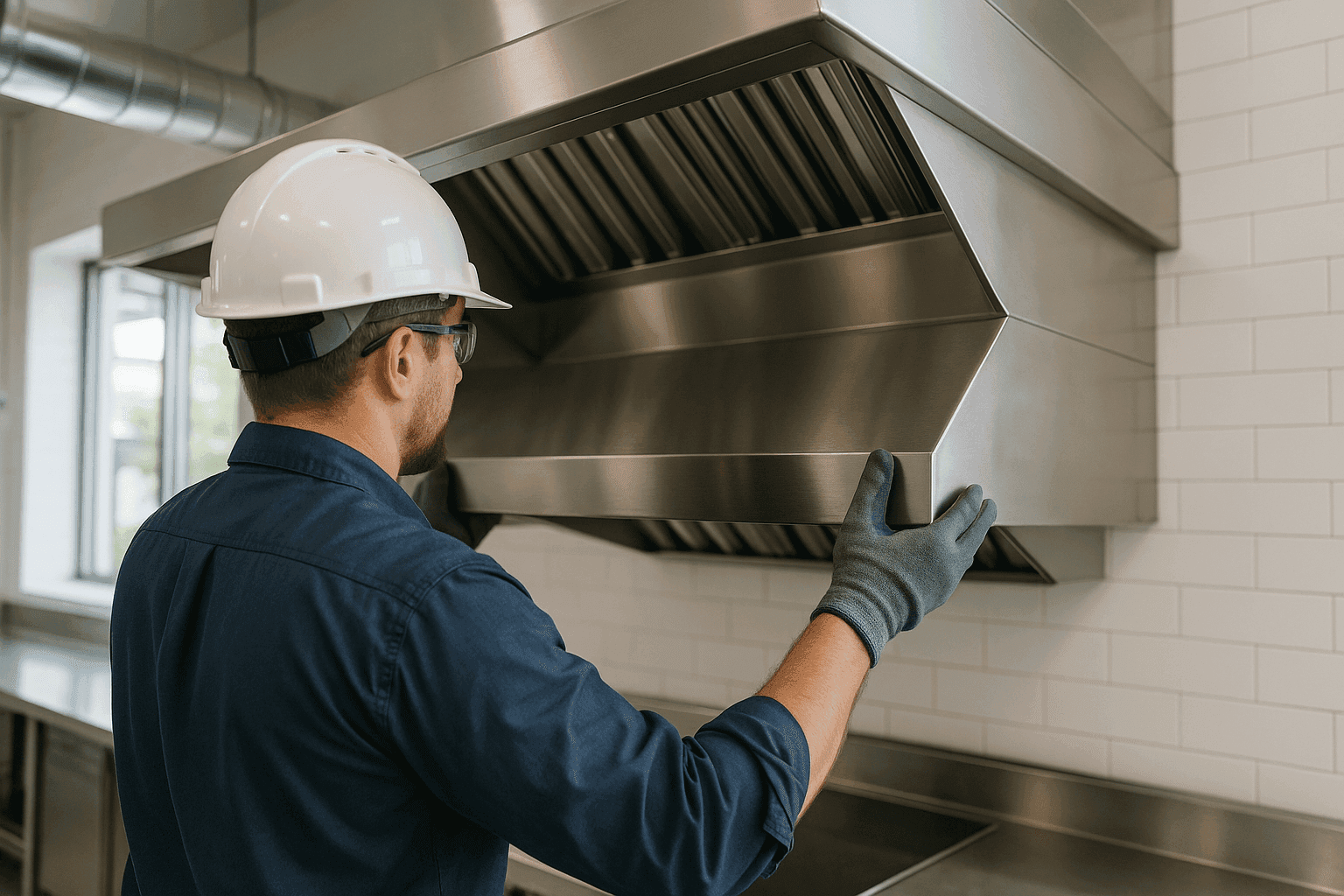
Running a kitchen is hectic. It’s all heat, sizzle, and the constant buzz of orders. But there’s another force at play you can’t ignore—your hood and exhaust system. It’s the kitchen’s silent workhorse, quietly pulling away smoke, grease, and odors so your team can breathe (and your business can stay open).
At Holmes Heating & Air, we know how crucial the right hood and exhaust installation is for any restaurant or commercial kitchen. Neglect it, and you risk fines, unsafe air, or even a fast-spreading fire. Let’s walk through what you need to know—without the noise, just the facts.
Why Proper Hood & Exhaust Systems Matter
Imagine cooking with a pot that never lets out steam. Pressure builds. The kitchen gets hotter, air thickens, and soon, it’s tough to breathe. That’s what happens when exhaust systems are undersized or poorly maintained. Restaurant fires often start right above the grill—grease and heat with nowhere to go.
A well-designed hood and exhaust setup:
- Pulls out grease, smoke, and heat
- Reduces fire risk
- Keeps staff comfortable
- Meets health and fire codes
- Improves indoor air quality for everyone
It’s not just a box of metal over your stove—it’s your first line of defense.
Hood Types and Sizing 🍽️
Choosing the right hood is like picking the right shoes: size, shape, and fit matter. Too small, and you’ll have smoke and grease buildup. Too large, and you’re wasting energy and money.
Common Commercial Hood Types
- Type I Hoods: Designed for grease-producing appliances (fryers, grills, ranges). These have fire suppression systems and heavy-duty filters.
- Type II Hoods: Used for steam, heat, and odor (dishwashers, pizza ovens). These don’t handle grease.
Sizing Essentials
- The hood size must match the cooking equipment’s footprint (usually extends 6 inches beyond appliances).
- Airflow (CFM) calculations account for appliance type, heat output, and kitchen layout.
- Sheet metal ductwork must be smooth and sealed to avoid leaks and fire hazards.
- Custom fabrication is often needed—no two kitchens are the same.
The National Fire Protection Association (NFPA 96) sets the gold standard for commercial kitchen ventilation. If you’re curious about specifics, their guidelines shape all reputable installs.
The Installation Process
A proper install isn’t just hanging a box on a wall. It’s orchestrating airflow, safety, and compliance in one move.
Step-by-Step Overview
- Site Assessment: Measure, inspect, and analyze your kitchen and cooking line.
- System Design: Choose hood type, size, duct routing, and fan power.
- Custom Fabrication: Sheet metal is cut, bent, and welded to create ducts and hoods that fit your kitchen.
- Installation: Mount the hood, connect ductwork, wire up exhaust fans, and tie in fire suppression.
- Sealing and Insulation: Prevent leaks and protect against heat transfer.
- Startup Testing: Fire up the system—check airflow, noise, and hood capture.
Working with licensed HVAC professionals ensures nothing is left to chance. Holmes Heating & Air is licensed, insured, and code-compliant on every job.
Compliance and Inspection 🛡️
Commercial kitchens must meet strict codes. Inspectors don’t look the other way. If your system isn’t up to par, you’ll face shutdowns or costly rework.
Key Points:
- NFPA 96: The core standard for kitchen exhaust design, fire suppression, and cleaning.
- Local Codes: Each city or county may have extra requirements.
- Permitting: Most installs require permits and final inspections.
- Health Department: Regular checks ensure your system works (and is clean).
Always keep documentation handy: permits, installation specs, and inspection reports. They’re your shield if regulators come knocking.
Maintenance Needs
A hood and exhaust system is like a car—it needs regular attention to run safely. Skipping maintenance is playing with fire—literally.
Maintenance Musts
- Filter Cleaning: Grease filters get clogged fast. Clean weekly, or more often for heavy use.
- Duct Cleaning: Schedule deep cleans 1–4 times per year, depending on kitchen volume.
- Fan Checks: Belts, bearings, and motors can wear out. Listen for rattles or squeals.
- Fire Suppression: Inspect and service per NFPA 96 and manufacturer recommendations.
Schedule regular HVAC maintenance with pros who understand commercial kitchen needs. It’s your best defense against costly downtime and emergencies. See our ventallation and sheet-metal services for more.
Quick Safety Checklist ✅
- Hood covers all cooking equipment
- Proper airflow (no lingering smoke or heat)
- Grease filters in place and clean
- Ducts are sealed, with no visible leaks
- Fire suppression system is active and tagged
- No combustible materials stored near hood/duct
- Inspection tags and permits are up to date
Miss just one, and you could be risking safety or violating code.
DIY vs. Call a Pro
Thinking of installing or modifying a hood system yourself? It’s tempting. But commercial exhaust systems are a high-stakes puzzle.
When DIY Might Work
- Swapping a filter
- Light cleaning
When to Call Professionals
- New installation or major replacement
- Ductwork routing or fabrication
- Fire suppression system work
- Any electrical or code-related tasks
HVAC pros have the tools and know-how. A missed step isn’t just inconvenient—it can be disastrous.
What Pros Do On Arrival 🔧
When Holmes Heating & Air comes onsite, here’s what you can expect:
- Full kitchen and equipment survey
- Airflow measurements and hood sizing
- Review of code and local permit needs
- Custom sheet metal fabrication (if needed)
- Safe, code-compliant installation
- Testing and documentation
We keep you informed, safe, and ready for inspection from day one.
Prevention & Maintenance
Routine care isn’t just about passing inspections. It’s about protecting your investment, your staff, and your reputation.
Pro Tips:
- Schedule quarterly duct inspections
- Keep a log of filter changes and cleanings
- Train staff to spot warning signs (smoke, heat, odd smells)
- Partner with a reliable HVAC team for ongoing support
Regular HVAC maintenance is your best insurance policy.
Costs & Time Factors
No two kitchens are the same, so installs vary. Here’s what affects cost and timing:
- Size and type of hood
- Custom sheet metal needs
- Duct runs and roof penetrations
- Fire suppression complexity
- Permitting and code requirements
A basic install may take a day or two. Larger, custom jobs can take a week or more. For budgeting, talk with a licensed HVAC provider to get a sense of your specific needs.
When It’s an Emergency 🚨
Smoke billowing. Grease dripping. Fans dead silent. If your exhaust system fails, it’s urgent.
Emergency Signs:
- Visible smoke or haze in kitchen
- Strong, lingering odors
- Exhaust fan not running
- Grease dripping or pooling
Don’t wait. Turn off cooking equipment and call for 24 hour emergency hvac service. Your staff and customers’ safety comes first.
For rapid help, see Hood & Exhaust Installation near me in Seymour.
FAQ
What’s the difference between Type I and Type II hoods?
Type I hoods are for grease-producing equipment and have fire suppression. Type II are for heat and steam only.
How often should I clean my kitchen exhaust ducts?
NFPA 96 recommends anywhere from quarterly to annually, depending on your cooking volume. High-use kitchens may need monthly cleaning.
Can I use the same hood for multiple appliances?
Yes, but the hood must be properly sized and rated for the combined equipment. It’s best to consult a pro on layout and sizing.
What happens if my system isn’t to code?
You may face fines, forced shutdowns, or fire risks. Always work with a licensed, insured provider like Holmes Heating & Air.
Local & Seasonal Considerations
Grease and moisture build up faster during busy seasons or in humid climates. Seasonal menu changes—like adding fryers or grills—can mean your current hood isn’t keeping up. It pays to assess your ventilation before the rush hits.
Stay proactive. Schedule regular inspections before major holidays or seasonal spikes. Your team (and the fire inspector) will thank you.
A safe, well-ventilated kitchen starts with the right hood and exhaust system, sized and installed by true HVAC professionals. Don’t gamble with code compliance or your staff’s health.
Call Holmes Heating & Air now — or reach us anytime at 888-835-0228 .