How to Avoid Common HVAC Installation Mistakes
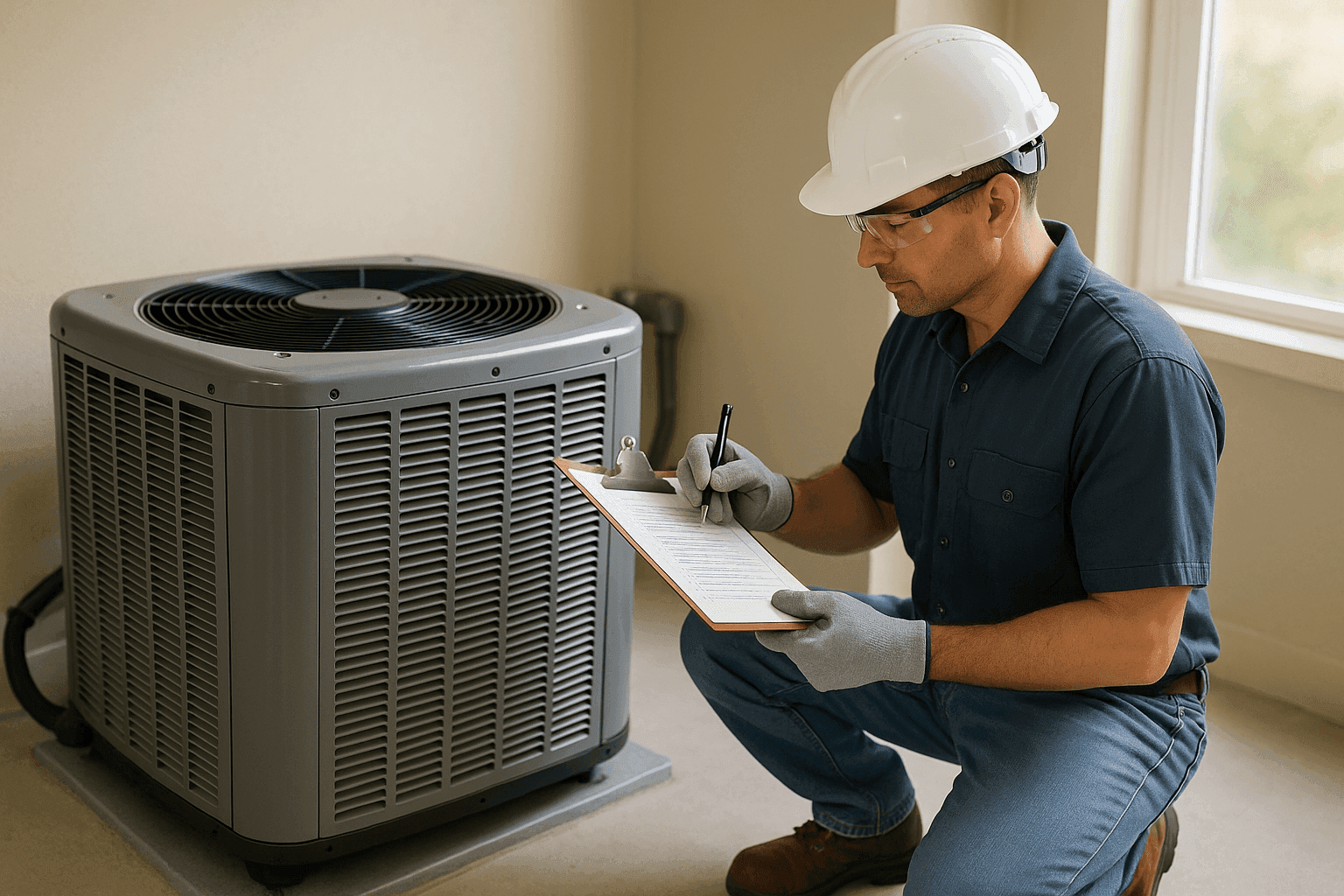
When your comfort is on the line, a smooth HVAC installation isn’t just nice to have—it’s essential. The last thing you want is a home that’s ice-cold in winter or sweltering in July because of a misstep during setup.
At Holmes Heating & Air, we’ve seen how the smallest install errors can snowball into big repair bills or safety risks. Here’s how to sidestep common pitfalls, whether you’re considering Mini-Splits near you, a full furnace swap, or a new AC for your business.
Most Common HVAC Installation Mistakes 😬
Picture your HVAC system as the heart and lungs of your home. If something is off, the whole “body” feels it. These are the most common missteps that can choke your comfort and wallet:
1. Incorrect Sizing
- Too big? Your system will short-cycle—turning on and off constantly. This wears out parts and drives up your bills.
- Too small? It’ll run nonstop, straining to keep up and still leaving you uncomfortable.
Proper sizing means calculating “load” based on square footage, insulation, windows, and more—not just guessing.
2. Poor Ductwork Design & Sealing
Leaky, kinked, or undersized ducts are like trying to breathe through a straw. You’ll get uneven temperatures and wasted energy. According to ENERGY STAR, up to 30% of air can escape through bad ducts.
3. Skipping Zoning
One thermostat for the whole building? That’s like wearing a winter coat in the kitchen while freezing in the bedroom. Zoning lets you control different areas for even comfort.
4. Faulty Venting or Flue Placement
Improper venting can lead to backdrafts, moisture problems, and even carbon monoxide hazards. Always follow local code and manufacturer guidelines.
5. Ignoring Sheet Metal Details
Custom sheet metal work isn’t just for show. Poor transitions, sharp bends, or cheap materials reduce airflow and create noise.
Prevention Strategies & Pro Tips 🛠️
You don’t have to be a mechanical engineer to avoid these mistakes. But you do need to work smart and follow proven steps.
Right-Size Every Time
- Demand a Manual J load calculation (industry standard per ACCA).
- Consider home energy audit findings.
- Don’t rely on old system size or “rules of thumb.”
Check Ducts Before You Install
- Inspect for leaks, kinks, or crushed sections.
- Seal joints with mastic or UL-listed tape—not duct tape from the junk drawer!
- Upgrade to insulated ductwork for added efficiency.
Prioritize Zoning and Controls
- Install dampers and multiple thermostats where possible.
- Consider smart controls that adjust with your schedule.
Venting: Safety Comes First
- Follow the International Mechanical Code (IMC) and local regulations.
- Keep vent lengths and clearances exact.
- Double-check venting for combustion appliances—carbon monoxide is invisible and deadly.
Sheet Metal—Don’t Cut Corners
- Use properly sized custom fittings.
- Avoid sharp turns and sudden changes in duct size.
- Trust professionals for fabrication and installation. See our sheet metal service for more.
Professional HVAC Installation Checklist ✔️
A pro installer brings more than a toolbox. Here’s what a certified HVAC technician should do on every job:
- Review your building layout, insulation, and window placement.
- Perform Manual J (sizing), S (equipment selection), and D (duct design) calculations.
- Inspect and test existing ductwork; recommend upgrades if needed.
- Verify electrical and gas connections meet code.
- Install and calibrate thermostats, dampers, and controls.
- Test airflow and system balance in every room.
- Document install details for warranty and future maintenance.
Choosing a certified installer ensures your system meets manufacturer specs and local building codes—protecting your investment.
How Installation Errors Affect Your Warranty 📑
It’s tempting to cut corners or hire the lowest bidder. But here’s the catch: most HVAC manufacturers require certified installation for warranty coverage.
- DIY or uncertified installs can void parts and labor warranties.
- Improper ductwork or venting may be flagged during inspections.
- Skipping required maintenance (like filter changes or annual checks) can also risk your warranty. See HVAC Maintenance.
A few dollars saved up front can lead to expensive repairs later—not to mention loss of coverage if something goes wrong.
Prevention & Maintenance: Locking in Comfort
Your new HVAC system is only as good as its upkeep. Here’s how to keep it running smoothly for years:
- Change filters regularly—every 1–3 months or as needed.
- Schedule annual HVAC tune-ups and cleaning.
- Keep vents and registers clear of furniture and debris.
- For Mini-Splits near you, clean filters and check outdoor units for leaves or ice build-up.
- Watch for odd noises, smells, or spikes in your energy bill.
Routine maintenance not only extends equipment life, it also keeps your warranty valid and your air clean.
DIY vs. Professional Installation: What’s at Stake?
Swapping out a thermostat or cleaning a vent? That’s one thing. But full HVAC installation is a different animal.
Risks of DIY
- Incorrect sizing leads to comfort issues and higher bills.
- Missed code requirements can result in failed inspections or safety hazards.
- Voided warranties mean you pay out of pocket for repairs.
- Gas, electrical, and refrigerant lines must be handled with care—mistakes can be dangerous.
When to Call Holmes Heating & Air
If you’re not sure how to calculate load, design ducts, or pull permits, bring in a pro. We handle everything from sheet metal fabrication to IAQ testing, so you’re covered from start to finish.
Local and Seasonal Considerations 🏡
In places like Little Rock, Arkansas, swings from humid summers to chilly winters put your HVAC to the test. That means:
- Proper insulation and air sealing matter even more.
- Whole-house fans and dehumidifiers can boost comfort in muggy months.
- Emergency 24-hour service is critical when extremes hit. See HVAC Installation near Little Rock, Arkansas.
FAQ: Common HVAC Installation Questions
Q: How long does a typical HVAC installation take?
A: Most residential installs are completed in 1–2 days, but complex zoning or duct upgrades may add time.
Q: What documents should I receive after install?
A: You should get all manuals, warranty cards, and a detailed invoice listing system specs and serial numbers.
Q: Are permits required?
A: Yes—most areas require permits and inspections for HVAC installation. Holmes Heating & Air handles all paperwork.
Q: What about indoor air quality?
A: Ask about IAQ testing, air scrubbers, and filtration options, especially if you have allergies or run a business.
The Bottom Line
A little caution up front saves a lot of hassle down the road. Whether you need Mini-Splits, furnace repair, or a full system upgrade, Holmes Heating & Air delivers certified, code-compliant installation—backed by decades of know-how.
Call Holmes Heating & Air now — or reach us anytime at 888-835-0228 .