How to Improve Ventilation for a Healthier Home or Office
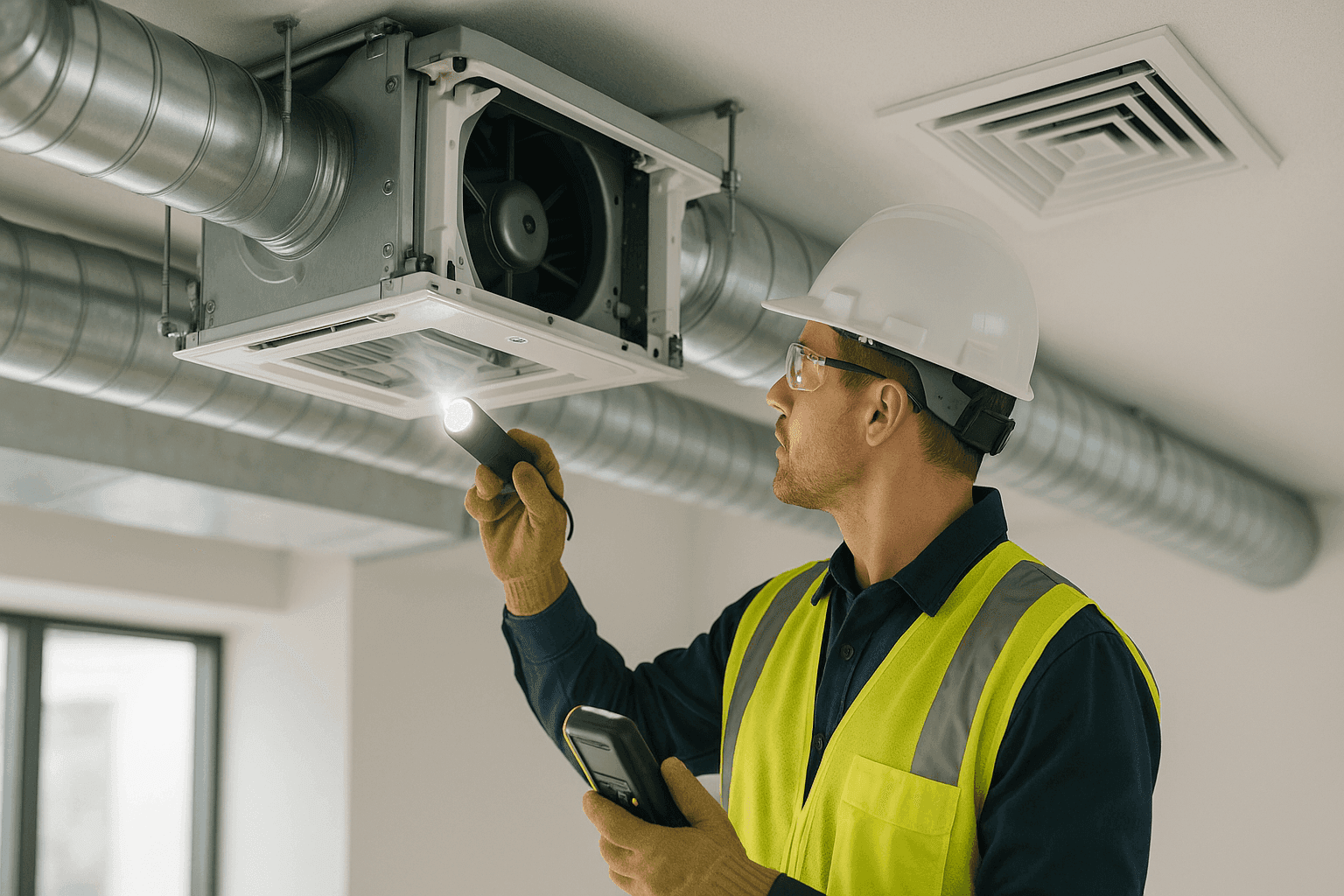
Breathing easy at home or work isn’t just about comfort—it's about staying healthy. Think of your building like a pair of lungs. If the air can't flow in and out, things get stagnant. Dust, moisture, and invisible pollutants pile up. At Holmes Heating & Air, we know how quickly stale air can turn into bigger problems.
Poor ventilation isn’t always obvious until you start to feel it: headaches, musty smells, or constant dust. The good news? There are simple ways to spot issues and upgrade your airflow. Let's break it down.
Why Ventilation Matters
Fresh air is more than just a luxury—it’s essential. Every breath you take indoors should be as clean as possible. According to the Environmental Protection Agency (EPA), indoor air can be two to five times more polluted than outdoor air. Without proper ventilation, contaminants linger. Allergens, mold spores, and even viruses can float around much longer than you’d expect.
Good ventilation does a lot:
- Removes stale air and pollutants
- Controls humidity (helping to prevent mold)
- Keeps temperatures comfortable
- Supports energy efficiency by balancing HVAC performance
When airflow is blocked, your HVAC system works harder, leading to higher bills and more wear and tear.
Signs of Poor Ventilation 🕵️
How do you know if the air in your space needs help? Watch for these red flags:
- Windows fogging up or moisture on walls
- Musty or “old” smells that don’t go away
- Persistent dust, even after cleaning
- Hot or cold spots in different rooms
- People complaining of headaches, allergies, or feeling tired indoors
- Visible mold near vents or ceilings
- Stale air, especially in basements or storage rooms
- Difficulty keeping temperatures consistent
If you spot these signs, it’s time to pay closer attention to your ventilation.
DIY Upgrades: Simple Steps That Make a Difference
You don’t have to rip out walls to get better airflow. Start small and see real changes.
Open Windows (When Weather Allows)
Old-fashioned but effective. Opening windows, even for 15 minutes, can swap out stale air for fresh. Be sure to check outdoor air quality first (especially during pollen season or wildfires).
Use Exhaust Fans
Kitchens, bathrooms, and laundry rooms need working exhaust fans. These help push moisture and odors outside. Run them during and after showers, cooking, or laundry.
Rearrange Furniture
Blocked supply or return vents can choke off airflow. Make sure furniture, curtains, or boxes aren’t covering vents.
Install or Upgrade Vents
If certain rooms feel stuffy, consider adding extra wall or door vents. This helps air circulate between spaces.
Use Portable Fans
Ceiling or floor fans keep air moving. In summer, set them to spin counterclockwise. In winter, reverse the direction to push warm air down from the ceiling.
Regular Filter Changes
Dirty filters slow airflow and spread dust. Change HVAC filters at least every 2–3 months—or monthly if you have pets or allergies. Learn more about filters and indoor air quality.
Professional Solutions: When to Call Holmes Heating & Air
Sometimes, a fan or cracked window isn’t enough. That’s where code-compliant, efficient upgrades come in.
Energy Recovery Ventilators (ERV) & Heat Recovery Ventilators (HRV)
These systems act like the lungs of your building—bringing in fresh air while recovering heat or coolness. ERVs and HRVs are especially helpful in tightly sealed homes or offices with little natural airflow. They meet local code requirements and can boost your energy efficiency.
Whole-House Fans
A whole-house fan pulls cool, fresh air in and pushes hot, stale air out through the attic. They’re perfect for mild evenings and lower your reliance on AC. Discover more about whole-house fans.
Duct Upgrades & Air Balancing
Leaky or undersized ducts waste energy and create uneven temperatures. Professional duct cleaning and balancing make sure air gets where it needs to go.
Custom Ventilation Installs
Every building is unique. Holmes Heating & Air designs and installs ventilation systems that match your needs—residential or commercial. We follow all codes and safety standards, including those from ASHRAE (American Society of Heating, Refrigerating and Air-Conditioning Engineers) and the International Mechanical Code (IMC).
Advanced Air Quality Solutions
Add-ons like air scrubbers, dehumidifiers, and humidifiers can dramatically improve air quality. Indoor air quality (IAQ) testing pinpoints hidden problems you can’t see or smell.
Commercial Considerations: Offices, Retail, and More 🏢
Businesses face unique ventilation challenges. More people in one space means more airborne contaminants. Open layouts, high ceilings, and shared HVAC systems can create airflow dead zones.
Key strategies for commercial spaces:
- Schedule regular HVAC maintenance to keep systems running smoothly
- Upgrade to advanced filtration (MERV 13 or HEPA, as appropriate)
- Install CO2 sensors to monitor air freshness in real time
- Use demand-controlled ventilation to adjust airflow based on occupancy
- Ensure kitchen hoods and exhausts are up to code, especially in food service
Whether it’s a small office or a large retail space, Holmes Heating & Air tailors solutions for your business.
Energy Efficiency and Code Compliance
Proper ventilation doesn’t just protect your health—it saves money. Efficient airflow means your HVAC system doesn’t have to work overtime. All of our installations meet or exceed local and national codes, so you can feel confident everything’s safe and up to standard.
Quick Safety Checklist
- Never block supply or return vents
- Use vent covers designed for HVAC use only
- Check for unusual noises or airflow changes
- Clean exhaust fans and dryer vents regularly
- Use only code-approved materials for ductwork
- Keep combustibles away from mechanical equipment
When in doubt, ask a pro. Safety comes first.
DIY vs. Call a Pro
Some fixes are easy. Others need a licensed HVAC contractor.
DIY:
- Change filters
- Open windows and doors
- Rearrange furniture
- Clean vent covers
Call Holmes Heating & Air:
- New vent installations
- Duct cleaning or sealing
- Adding ERV/HRV systems
- Balancing airflow
- IAQ testing
Anything involving electrical, gas, or major system upgrades should be left to pros. It’s safer—and your warranty stays intact.
What Pros Do On Arrival
Expect a thorough process when you bring in Holmes Heating & Air:
- Inspect all vents, ducts, and fans
- Measure airflow and pressure
- Check for mold, moisture, or air leaks
- Recommend upgrades that fit your space and budget
- Install systems to code, ensuring safety and long-term performance
We’ll walk you through every step so you know exactly what’s happening in your home or business.
Prevention & Maintenance
Stay ahead with simple habits:
- Schedule annual HVAC and ventilation checks
- Change filters regularly
- Clean vents and exhaust fans
- Monitor humidity (aim for 30–50%)
- Watch for signs of condensation or mold
Good ventilation is not a one-time project—it’s an ongoing investment in your health and comfort.
Costs & Time Factors
Ventilation upgrades can range from simple (a new filter or vent cover) to more involved (full ERV/HRV system installs). Small fixes are quick—often under an hour. Larger upgrades might take a day or two, especially for custom ductwork or system installations.
Energy-efficient solutions often pay off over time with lower utility bills and fewer repairs.
When It’s an Emergency
Some issues can’t wait. Call us right away if you notice:
- Sudden loss of airflow
- Burning smells near vents or mechanical equipment
- Visible mold spreading quickly
- Carbon monoxide alarms going off
- Unexplained headaches or dizziness indoors
Holmes Heating & Air offers 24-hour emergency service for urgent ventilation and HVAC problems.
FAQ
How often should I clean my vents and ducts?
Vents can be dusted monthly. Duct cleaning is typically recommended every 3–5 years, or sooner if you notice mold, pests, or persistent dust.
Can better ventilation help with allergies?
Absolutely. More fresh air and better filtration remove allergens, dust, and pet dander from indoor spaces.
What’s the difference between ventilation and air conditioning?
Ventilation brings fresh air in and pushes stale air out. Air conditioning cools and recirculates air but doesn’t always bring in fresh air unless your system is designed for it.
Do I need ventilation upgrades if I already have central AC?
Often, yes. Many AC systems recirculate the same air. Adding dedicated ventilation or air quality upgrades can make a huge difference.
Local & Seasonal Considerations
Weather, pollen, and even wildfire smoke can impact when and how you ventilate. In spring and fall, opening windows may be safe and effective. During allergy season or poor air days, rely on mechanical systems with quality filters.
For local, professional help, check out Ventallation near me in Manhattan Beach, California.
A breath of fresh air starts with the right system and good habits. Whether you’re tackling a stuffy home, a busy office, or a whole building upgrade, Holmes Heating & Air is ready to help.
Call Holmes Heating & Air now — or reach us anytime at 888-835-0228 .