How to Maintain Indoor Air Quality During Renovations
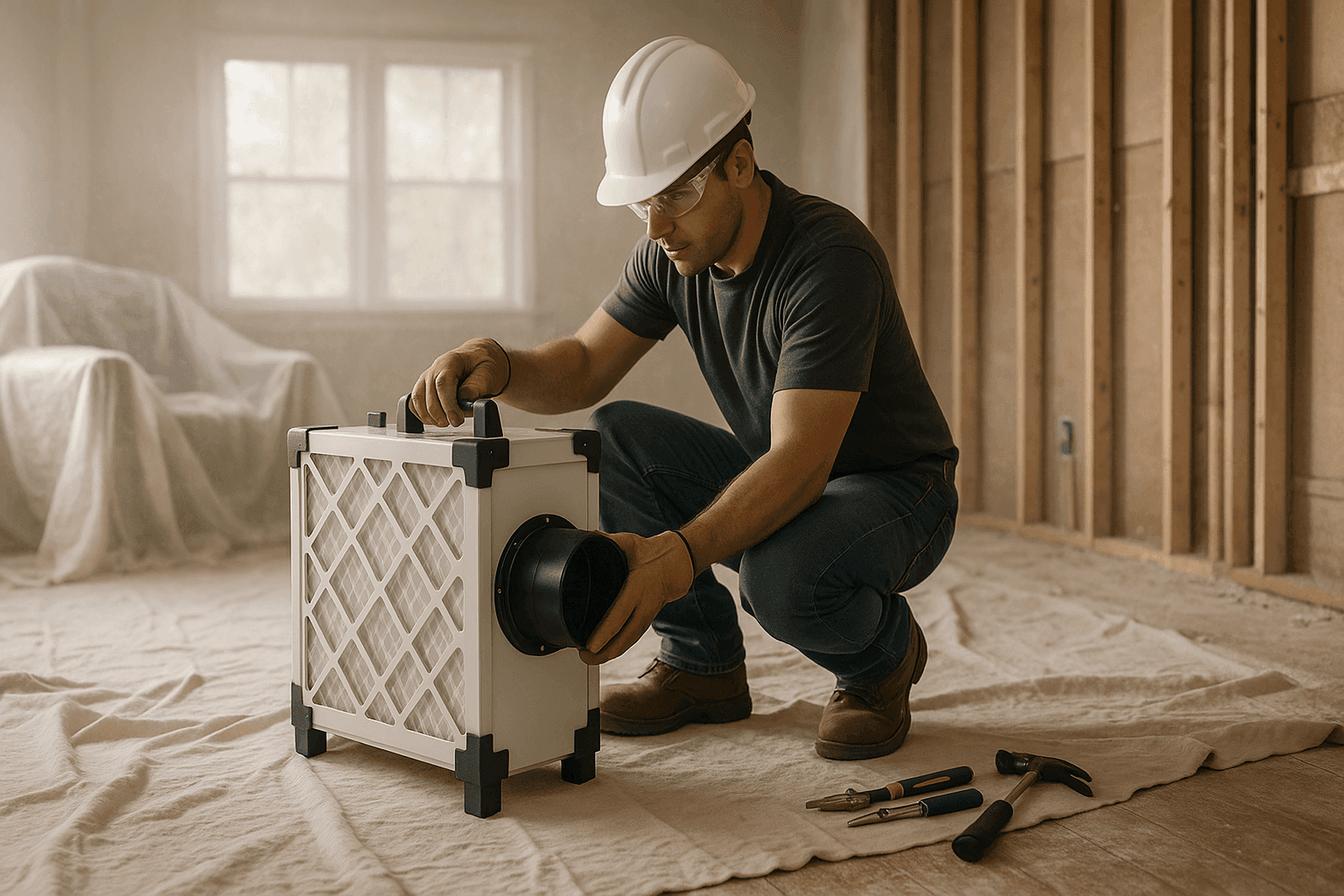
Renovations are exciting. New spaces, fresh finishes, maybe even a dream kitchen. But there’s one thing that often gets swept under the rug—your indoor air quality (IAQ). All those saws, sanders, and paints can fill your air with invisible risks.
At Holmes Heating & Air, we know how quickly dust and chemicals can turn a renovation into a health hazard. Whether you’re upgrading a home or refreshing a commercial space, knowing how to protect your air is crucial for your comfort and safety.
Why Indoor Air Quality Drops During Renovations 🏗️
Renovation dust isn’t just a little inconvenience. It’s a cloud of tiny particles—plaster, drywall, wood, and sometimes even old lead paint. Then there are Volatile Organic Compounds (VOCs) from paints, glues, and solvents. Add in construction debris and fumes from tools, and air quality can plummet fast.
Your HVAC system might try to keep up, but without extra precautions, it’s like fighting a forest fire with a garden hose. Airborne contaminants find their way into vents and ducts, spreading throughout your space.
Key Indoor Air Quality Risks During Renovations
- Dust and Debris: Fine particles from cutting, sanding, and demolition.
- VOCs: Gases released from paints, adhesives, and finishes (refer to CDC and EPA guidelines).
- Mold Spores: If moisture is present, new materials can support rapid mold growth.
- Poor Ventilation: Sealing off rooms traps pollutants inside, making it harder for your HVAC to do its job.
- Asbestos/Lead: In older homes, disturbance of these materials can be dangerous (always consult a licensed professional if suspected).
Best Practices for Protecting Your IAQ
Think of your renovation like a storm. You want to batten down the hatches and control what blows inside.
- Seal Off Work Areas: Use heavy plastic sheeting (6 mil or thicker) to block off doors, vents, and halls.
- Negative Air Pressure: Professionals set up fans that blow air out through a window, keeping dust from drifting to clean areas.
- Remove or Cover Furniture: Soft surfaces trap dust and are hard to clean.
- Use Low-VOC Products: Choose paints, adhesives, and sealants with low or no VOCs to limit harmful fumes.
- Keep It Clean: Sweep and vacuum with a HEPA-filtered vacuum daily.
- Protect Your HVAC: Turn off your system during heavy dust work, or use temporary filters rated MERV 13 or higher.
Temporary Filtration and Ventilation Solutions
Sometimes, your regular HVAC just isn’t enough. During renovations, temporary upgrades can make a big difference.
- Portable HEPA Air Cleaners: Place these near renovation zones. They grab tiny particles before they can spread.
- Extra Filters: Upgrade to high-efficiency filters for your system. Change them more often—sometimes weekly.
- Air Scrubbers: These are like bouncers for your air, pulling out dust and odors before they settle in.
- Ventilated Work Zones: Exhaust fans in windows or exterior doors help pull bad air out, not just move it around.
According to the American Society of Heating, Refrigerating and Air-Conditioning Engineers (ASHRAE), maintaining clean airflow and adequate ventilation is critical—especially during active construction.
Post-Renovation Cleaning and Testing 🧹
When the last nail is hammered and the paint dries, you’re not quite done. Even if everything looks clean, there could still be harmful particles or lingering fumes hiding in your air.
Steps for a Safe and Healthy Space
- Deep Clean: Vacuum (with HEPA), mop floors, and wipe down every surface. Dust hides everywhere—even ducts.
- Replace Filters: Swap out all HVAC filters after work ends.
- Schedule IAQ Testing: Professional IAQ testing checks for lingering VOCs, dust, and mold.
- Duct Inspection: Consider duct cleaning if you notice musty odors or if your system was running during the renovation.
- Monitor Ongoing IAQ: Install air quality monitors if you have ongoing projects or sensitive occupants (children, elderly, or employees).
Certified IAQ testing from Holmes Heating & Air provides data you can trust—no guesswork, just clear answers about your air.
Quick Safety Checklist
- Block off renovation zones with plastic.
- Wear N95 masks or respirators when in work areas.
- Upgrade HVAC filters to MERV 13+.
- Use portable HEPA air cleaners.
- Ventilate with window exhaust fans.
- Remove or seal off soft furnishings.
- Check for signs of moisture or mold.
- Schedule post-reno IAQ testing.
DIY vs. Call a Pro
Some tasks are safe for a handy homeowner or property manager. But when it comes to protecting your lungs, be honest about your limits.
When DIY Makes Sense
- Sealing off rooms with plastic.
- Swapping out HVAC filters.
- Running air purifiers.
When to Call Holmes Heating & Air
- Suspected mold, asbestos, or lead.
- Persistent odors after renovation.
- Poor airflow or stuffy rooms.
- Need for IAQ testing or advanced filtration.
Our certified technicians have the tools and know-how to protect your space—and everyone in it.
What Pros Do On Arrival
When you call in Holmes Heating & Air, here’s how we help:
- Inspection: We walk the site, identify high-risk areas, and check your HVAC system.
- Containment: Set up barriers, negative air machines, and temporary HEPA filtration.
- Filter Upgrades: Install high-efficiency filters or air scrubbers.
- Testing: Conduct certified IAQ tests for particulates, VOCs, and mold.
- Report & Recommendations: Provide a clear plan for safe air before, during, and after construction.
Every property is different. We tailor strategies for homes, offices, and commercial spaces.
Prevention & Maintenance 🛠️
Keeping your air clean isn’t just a renovation thing. It’s an every-day thing.
- Regular Filter Changes: Mark your calendar or set reminders.
- Seasonal HVAC Maintenance: Schedule tune-ups before and after big projects.
- Duct Cleaning: Especially after major renovations or if you notice dust or odors.
- Humidity Control: Use dehumidifiers or humidifiers to keep moisture balanced—too much or too little can cause problems.
- Monitor Air Quality: IAQ sensors can alert you to changes before they become big issues.
- Annual IAQ Testing: Especially important for businesses, schools, or homes with sensitive occupants.
Costs & Time Factors
Every property and project is different, but here’s what affects the cost and timeline for keeping your air safe:
- Project Size: A small kitchen remodel is different from a full-home gut.
- Materials Used: High-VOC products may require extra filtration or ventilation.
- Existing HVAC: Older systems may need upgrades to handle extra dust.
- Duration: The longer the renovation, the more often you’ll need to change filters and check air quality.
- Special Risks: Mold, asbestos, or lead require licensed abatement and testing.
Expect to budget for extra filters, temporary air scrubbers, and at least one round of professional IAQ testing. It’s a small price for peace of mind—and healthy lungs.
When It’s an Emergency
Sometimes, things go sideways. Maybe you smell something strange, see visible mold, or someone gets sick. That’s when you need fast help.
- Shut Off HVAC: Stop circulating bad air.
- Ventilate: Open windows if safe to do so.
- Evacuate If Needed: Especially if you suspect gas leaks, asbestos, or strong chemical fumes.
- Call Holmes Heating & Air: We offer 24-hour emergency service for urgent IAQ issues.
FAQ: Renovation & Indoor Air Quality
How long does renovation dust stay in the air?
Fine particles can linger for days or weeks, especially if your HVAC is running or you don’t use HEPA filtration.
Can I use my regular air filters during renovations?
Basic filters capture only large debris. Upgrade to MERV 13+ or use portable HEPA units for better protection.
Is IAQ testing really necessary?
If anyone in your space has allergies, asthma, or you notice odors or visible dust after a renovation, professional IAQ testing is the only way to know what you’re breathing.
What about commercial renovations?
Businesses need to follow OSHA and EPA guidelines for worker safety and air quality—often requiring more frequent IAQ monitoring and documentation.
Local & Seasonal Tips
Every region has its own challenges. In humid climates, renovations can increase mold risks. Cold weather? You’ll want to balance ventilation with heating needs. For those in Cutler Bay, Florida Indoor Air Quality, humidity and salt air can make filtration and dehumidification even more important during and after construction.
Your Next Steps
Air you can’t see can still cause real harm. If you’re planning a renovation—big or small—take steps to protect your indoor air. Holmes Heating & Air is here to help with certified IAQ testing, filters, and tailored solutions for homes and businesses.
Call Holmes Heating & Air now — or reach us anytime at 888-835-0228 .