How to Pick the Right Mini-Split System for Any Room
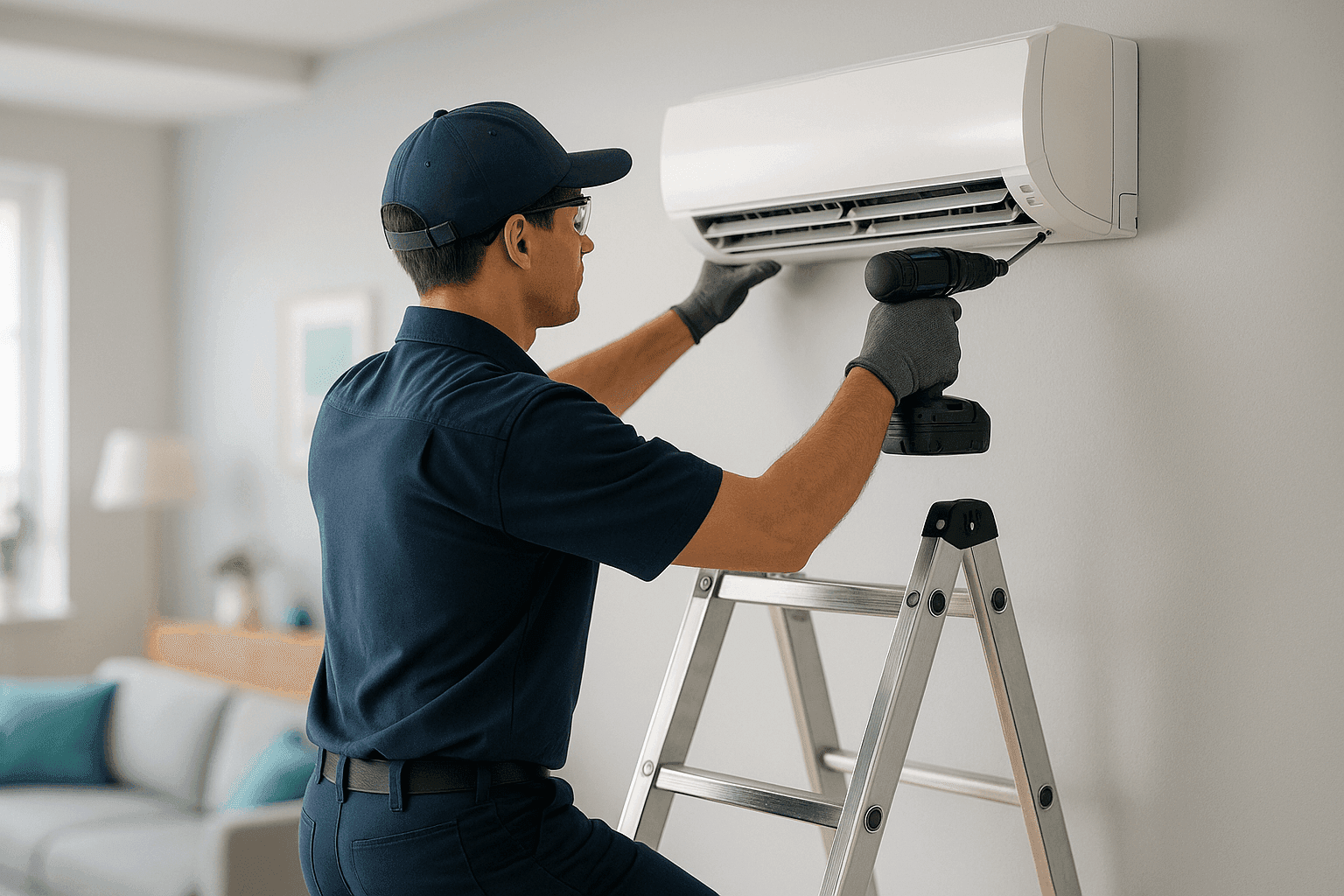
Looking for a better way to heat or cool that stubborn room? Maybe your office never seems comfortable. Or your upstairs feels like a sauna while the basement is freezing. Mini-splits can solve those comfort headaches. But only if you pick, size, and install the system the right way.
At Holmes Heating & Air, we’ve helped hundreds of homeowners and businesses get the perfect fit. Here’s what you need to know—without any technical mumbo-jumbo or surprises down the road.
Mini-Split Basics: What Are They, and Why Choose One? ❄️
A mini-split is like the Swiss Army knife of the hvac world. It heats, cools, and adapts to almost any space—without the need for big, bulky ductwork. Picture a slim unit high on your wall, quietly humming away, keeping you comfortable all year.
Why consider a mini-split?
- Perfect for bedrooms, offices, garages, or additions
- Flexible placement—no ducts required
- Zoned control (heat/cool only the rooms you use)
- High efficiency and lower energy bills
- Improved indoor air quality with built-in filters
Mini-splits work by connecting an indoor unit to an outdoor compressor. They’re available as single-zone (one room, one unit) or multi-zone (multiple rooms, multiple units, one outdoor box). For many, it’s the “just right” solution—especially for rooms where central air falls short.
Sizing Calculator: Find the Right Power for Your Space
You wouldn’t wear a winter coat in July. And you shouldn’t install a mini-split that’s too big (or too small) for your room.
The key measurement? BTUs—short for British Thermal Units. It’s how much heating or cooling power your system has. Too little, and your mini-split runs nonstop but never quite catches up. Too much, and it short cycles, wearing out faster and costing you more.
Quick Sizing Steps:
- Measure your room. Multiply length x width (in feet) to get square footage.
- Match to BTUs. The U.S. Department of Energy recommends about 20 BTU per square foot as a starting point.
- Adjust for conditions.
- High ceilings? Add 10–20%.
- Sunny rooms? Add 10%.
- Kitchens or rooms with lots of electronics? Add 4,000 BTU.
- Poor insulation or older windows? Go up a size.
Example:
A 300 sq ft bedroom needs roughly 6,000 BTU.
A sunny, 500 sq ft sunroom with tall ceilings might need closer to 12,000 BTU.
Still unsure? Our Mini-Splits experts can walk you through the numbers, so you get comfort every day—no guesswork.
Single-Zone vs. Multi-Zone: Which Is Right for You?
Think of single-zone mini-splits as a solo act. One room, one indoor unit, one outdoor box. Perfect for garage conversions, home offices, or that bonus room.
Multi-zone systems are like a band—one outdoor unit connects to two, three, or even five indoor heads. Great for:
- Whole-house climate control without ducts
- Apartments, duplexes, or businesses with different rooms needing unique temperatures
- Adding AC to older homes or historic properties
Keep in mind: Each indoor unit still needs the right BTU capacity for its room. Planning multi-zone setups takes experience—let us help you map it out for long-term comfort.
Features to Look For: Beyond Hot and Cold
Modern mini-splits have more bells and whistles than ever. But which ones matter?
- Inverter technology: Keeps temperature steady, saves energy
- Wi-Fi controls: Adjust settings from your phone
- Advanced filtration: Traps dust, allergens, and even some germs
- Humidity control: Keeps your air comfortable, not clammy
- Quiet operation: Many models run as soft as a whisper
Always check for ENERGY STAR® ratings if saving on utilities is a priority. And if you want to connect to smart home systems, mention that upfront—some brands play better with others.
Installation Tips: Get It Right the First Time 🛠️
Mini-split installation isn’t a typical Saturday DIY project. It’s more like open-heart surgery for your home’s comfort.
What makes it tricky?
- Wall penetration for refrigerant lines and wiring
- Proper placement for airflow (not just “where it fits”)
- Safe electrical hookups—sometimes a dedicated circuit is needed
- Following manufacturer specs and local building codes
Pro tip: Mount the indoor unit high on the wall, away from direct sunlight, and be sure the outdoor unit has clear airflow and sits above snow or flood levels. Avoid corners or spots where air can’t circulate.
At Holmes Heating & Air, our licensed technicians handle every step. From permits to final testing, we do it by the book—so your investment lasts.
Want to see what’s involved? Check out our HVAC Installation page for more on our process.
Maintenance Needs: Keep Your Mini-Split Running Smoothly
Even the best mini-split needs a little TLC.
Here’s what to expect:
- Clean the indoor filters every one to three months (more often with pets or allergies)
- Wipe down the unit and check for dust buildup
- Ensure the outdoor condenser is clear of leaves, grass, or snow
- Schedule a professional tune-up once a year
- Watch for error codes or unusual noises—catching small issues is way cheaper than big repairs
According to the Air Conditioning Contractors of America (ACCA), regular maintenance can double the lifespan of your mini-split. That’s money in the bank.
Licensed Installers & Warranty: Protect Your Investment
Mini-splits are a big step up in comfort—and they’re also a major piece of equipment. Most manufacturers require licensed, certified installation to keep the warranty valid. If you DIY or use an unlicensed installer, you could be left holding the bag if something goes wrong.
Holmes Heating & Air employs fully licensed, experienced technicians. We follow all state and local codes, use factory-authorized parts, and submit warranty paperwork so you’re covered from day one.
Practical Decision Guide: Steps to a Smart Mini-Split Purchase
- Assess your space: Measure and consider how each room gets used.
- Set your priorities: Is quiet most important? Remote control? Energy bills?
- Check your electrical panel: Some homes need a small upgrade.
- Pick your zones: One room, or several?
- Budget for quality: Cheaper isn’t always better—think long-term comfort and efficiency.
- Request a professional assessment: An experienced technician can spot issues and recommend the right size and features.
Mini-Splits Near You: Residential and Commercial Solutions
Mini-splits aren’t just for homes. More businesses are using them to keep offices, server rooms, or customer areas comfortable without running a full building system.
We install mini-splits in:
- Homes (new or old)
- Apartments, condos, townhomes
- Offices, retail shops, salons
- Schools, churches, and more
Let us help you design a custom solution—one that fits your needs, your budget, and your building.
Safety & Code Guidelines: What to Know Before You Start 🚧
- Always use a licensed, insured hvac contractor for installation
- Follow manufacturer instructions and local building codes (refer to the International Mechanical Code or your city’s guidelines)
- Make sure electrical work is up to code—most mini-splits need a dedicated circuit and proper grounding
- Don’t try to use extension cords or “hack” the wiring
Safe installation means peace of mind. It also means your system functions reliably, year after year.
Frequently Asked Questions
Q: Can I install a mini-split myself?
A: Manufacturers and the U.S. Department of Energy recommend using a licensed hvac pro. Specialized tools, handling refrigerant, and electrical work make this a job for trained experts.
Q: How long does installation take?
A: Most single-zone installs take less than a day. Multi-zone or commercial setups may need more time, depending on complexity.
Q: What’s the lifespan of a mini-split?
A: With annual maintenance, expect 12–20 years of reliable service.
Q: Will a mini-split work if I already have central air?
A: Absolutely. Many people use a mini-split to supplement rooms that never quite get comfortable with central air alone.
Seasonal & Local Considerations
If you live in a region with harsh winters or muggy summers, sizing and placement become even more important. Look for models rated for low-temperature operation and consider adding a backup heat source in extreme climates.
In areas prone to high pollen or dust, choose a mini-split with advanced filtration. Always check that your installer is familiar with local permit and code requirements—Holmes Heating & Air handles this for every job.
Ready to Get Started?
Feeling confident about picking the right mini-split system? Great! If you have questions or want expert advice tailored to your home or business, Holmes Heating & Air is here to help.
Call Holmes Heating & Air now — or reach us anytime at 888-835-0228 .