How to Prevent Frozen Pipes and Heating Failures in Winter
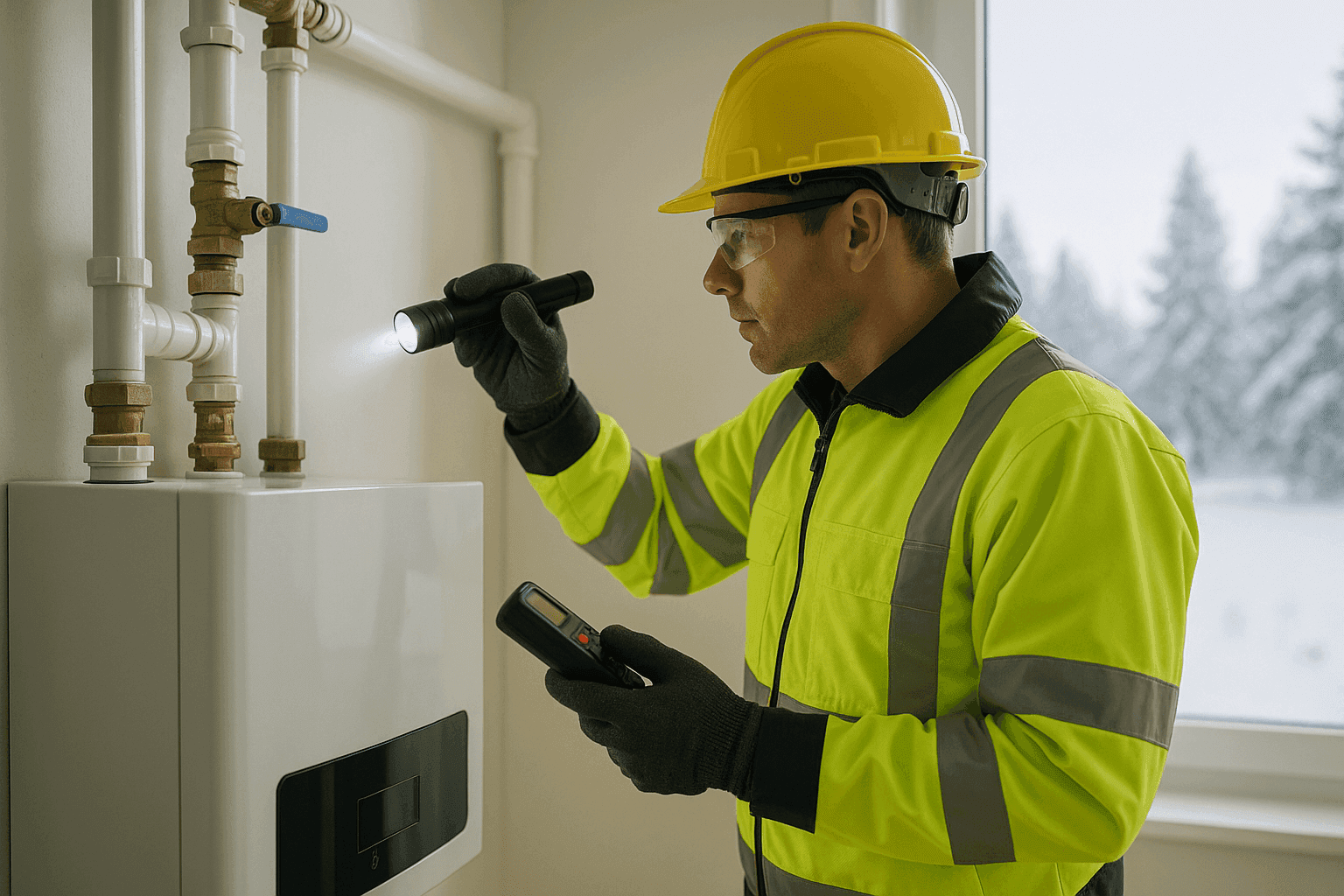
Winter storms don’t care if you’re ready. They hit fast and hard, testing every inch of your plumbing and heating. One frozen pipe or a hiccup in your heater, and suddenly your home feels more like an icebox than a haven.
At Holmes Heating & Air, we know firsthand how fast things can go wrong. Frozen pipes and heating failures can cause thousands in damage and hours of stress. Let’s help you get ahead of winter’s worst—so you can stay warm, safe, and dry.
Why Do Pipes Freeze—and How Does Heating Failure Make It Worse? 🧊
Water expands as it freezes. Pipes, especially those near exterior walls or in unheated areas, can become ticking time bombs when temperatures plummet. When water inside a pipe freezes, it puts pressure on the pipe walls until—snap!—the pipe bursts.
But here’s the hidden danger: heating system failures speed up the process. If your furnace or boiler can’t keep up, or your thermostat is set too low, the cold creeps in. Rooms drop below freezing. Pipes in those rooms become vulnerable, fast. It’s not just about comfort. It’s about protecting your biggest investment.
Signs your pipes are freezing or your heating is failing:
- Sudden loss of water flow or very slow taps.
- Strange noises—bangs, whistles, or gurgling from your plumbing.
- Unusually cold rooms or uneven heating.
- Thermostat reading far below set temperature.
- Water stains, dripping, or bulging drywall.
Once you notice these signs, time is of the essence.
Winter Pipe & Heating Safety Checklist
Stay ahead of disaster with a quick, actionable checklist:
- Insulate exposed pipes in basements, crawl spaces, and attics.
- Seal cracks and holes near pipes with caulk or foam.
- Keep your thermostat no lower than 55°F—even when away.
- Open cabinet doors under sinks on cold nights to let warm air in.
- Let faucets drip slowly overnight during deep freezes.
- Schedule heating maintenance before cold weather hits.
- Replace HVAC filters regularly for better airflow.
- Test your backup generator and keep fuel on hand.
- Close garage doors to protect pipes in adjacent walls.
- Know where your main water shutoff valve is, just in case.
These steps are your winter armor. Simple, but effective.
What To Do When a Freeze Hits
When the deep freeze arrives, every minute counts. Here’s what to do:
- Keep the heat running. No “just toughing it out.”
- Check vulnerable pipes: Basement, crawlspace, attic, and exterior walls.
- Open taps slightly: Letting water move helps prevent freezing.
- Add extra heat: Use space heaters (safely!) or hair dryers on pipes at risk.
- Monitor your thermostat: If you notice your system struggling, don’t wait.
- Call a professional if there’s no water or if you suspect a freeze or heating failure.
Remember: Never use open flames to thaw pipes. The risk of fire is real.
Emergency Tips If Pipes Freeze or Heating Fails 🚨
If you wake up to no heat or suspect a frozen pipe, don’t panic. Act fast:
- Turn off the main water valve if you suspect a burst pipe.
- Don’t use electrical appliances near standing water. Safety first.
- Call Holmes Heating & Air for emergency service—we’re on call 24/7.
- Try to gently warm frozen pipes with towels soaked in hot water or a portable heater—never with a blowtorch or flame.
- Bundle up and use blankets to retain body heat if your heating is out, especially with children or elderly in the home.
- Consider portable, battery-powered space heaters (UL-listed) for short-term warmth if it’s safe to do so.
What’s the Best Prevention? Proactive Maintenance
The best way to stop frozen pipes and heating failures? Don’t give winter a chance.
Professional heating maintenance and furnace repair are like routine checkups for your heart. Our technicians inspect, clean, and test your system—catching small issues before they become big headaches. We look for worn parts, weak pilot lights, bad igniters, and airflow problems.
For pipes, we recommend insulating vulnerable sections, especially if you’ve had problems before. Ask about whole-home solutions like smart thermostats, emergency back-up heat, and IAQ testing to keep your air clean and safe all season.
How Much Time & What Does It Cost?
Every home and business is different. Preventive HVAC maintenance can be completed in a couple of hours, while emergency repairs may take longer, especially during winter rush. Costs depend on the age of your system, the complexity of your setup, and how quickly you catch problems.
Keep in mind: The cost of prevention almost always beats the cost of a burst pipe or failed furnace—both in dollars and peace of mind.
When It’s an Emergency—Here’s What to Do
- Water pouring from ceilings or walls? Shut off your water valve and electricity. Call us right away.
- No heat and temperatures are dropping fast? Bundle up, move everyone to one room, and call for emergency HVAC repair.
- Worried about carbon monoxide? If you have a gas furnace and suspect a leak, leave the home and call 911.
You don’t have to go it alone. Holmes Heating & Air is your neighbor, your partner, and your rapid response team—day or night.
FAQ: Common Questions About Frozen Pipes & Heating Breakdowns
Q: How cold does it have to be for pipes to freeze?
A: Pipes can freeze when temps fall below 20°F for several hours, according to the Insurance Institute for Business & Home Safety.
Q: What rooms are most at risk?
A: Any area with exterior walls, poor insulation, or limited airflow—think basements, attics, garages, and older homes.
Q: Can I prevent freezing with a space heater?
A: Yes, but only if used safely. Never leave space heaters unattended, and keep them away from flammable materials.
Q: How often should I schedule HVAC maintenance?
A: At least once a year—ideally before winter. Regular checkups keep your system reliable and efficient.
Local & Seasonal Considerations
Here in the Northeast, wild swings in temperature and nor’easters are the norm. That means homes and businesses need to be ready for anything. If you’re searching for “Mini-Splits near you” or want Heating Maintenance near Cumberland, Holmes Heating & Air is here to help.
We’re not just about quick fixes—we’re about lasting solutions that fit your property, your climate, and your needs.
Winter doesn’t have to win. With the right steps and a steady hand, you can keep your home safe, warm, and dry—no matter what the forecast says. For preventive HVAC care, urgent repairs, or just honest advice, Holmes Heating & Air is always here for you.
Call Holmes Heating & Air now — or reach us anytime at 888-835-0228 .