How to Prevent Mold and Mildew in Your HVAC System
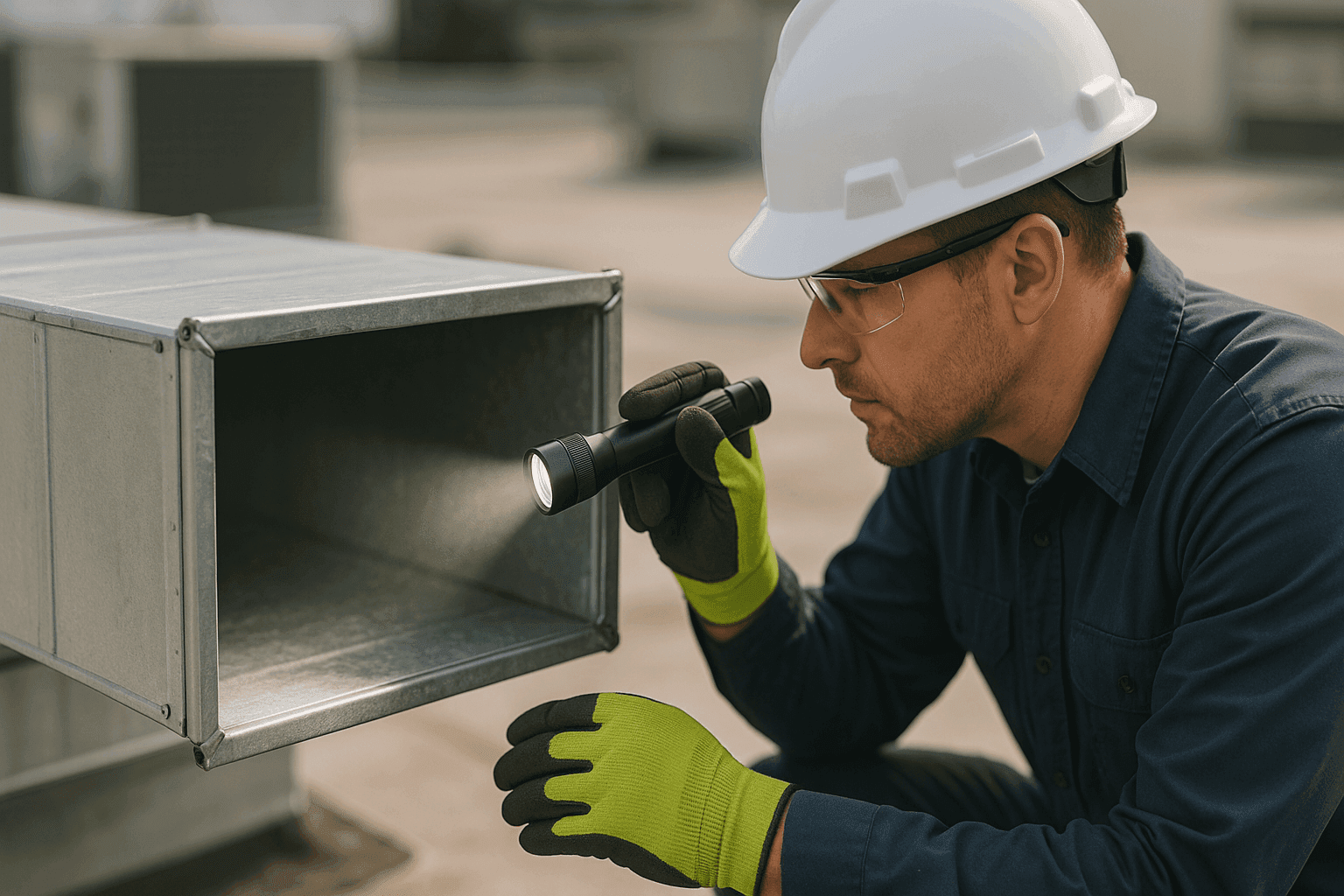
Is there a musty smell clinging to the air when your AC kicks on? Maybe you’ve spotted dark stains near vents or felt your allergies spike indoors. If so, mold or mildew could be hiding in your HVAC system. It’s scary to think about, but you don’t have to face it alone.
At Holmes Heating & Air, we know exactly how fast mold can take hold—and how critical it is to stop it early. Our certified team helps homeowners and businesses breathe easier every day with proven solutions for cleaner, healthier air.
Causes of Mold in HVAC Systems 🦠
Picture your HVAC system like a set of lungs for your building. If dampness gets trapped inside, everything from dust to dander becomes the perfect breeding ground for mold. But why does this happen?
- Moisture Buildup: Condensation forms inside coils, ducts, and drip pans—especially if the system isn’t draining right.
- High Humidity: Indoor humidity over 60% is an open invitation for mold spores to settle and multiply.
- Clogged Filters: Dirty or old filters can’t trap mold spores, dust, or pollen. Instead, they drift freely into your living spaces.
- Poor Ventilation: Stagnant air means moisture lingers longer, feeding mold growth in hidden corners.
- Neglected Maintenance: Skipping regular HVAC Maintenance lets small leaks and grime go unnoticed until it’s too late.
The Environmental Protection Agency (EPA) warns that unchecked moisture and organic dust inside ducts are a top trigger for indoor mold. Left alone, tiny spores can quickly become a big, expensive problem.
Key Prevention Steps
Preventing mold is about breaking the cycle before it starts. Keep your HVAC system inhospitable to mold with these steps:
Control Humidity
- Use Dehumidifiers: Aim for indoor humidity between 30–50%. Most modern thermostats can help you monitor this.
- Vent Bathrooms and Kitchens: Always run exhaust fans when showering or cooking to shoo steam outside.
- Seal Air Leaks: Cracks around windows, doors, or duct seams let in extra humidity—seal them tight.
Keep Everything Clean
- Regular Duct Cleaning: Schedule duct-cleaning to strip away dust, pollen, and potential mold food.
- Clean Drain Pans and Coils: Ensure drip pans are empty and clean. Blocked drains cause puddles—prime mold territory.
- Wipe Vents and Grilles: Dust and wipe vents every few weeks so spores don’t get cozy.
Upgrade Your Filtration
- Change HVAC Filters Often: Use high-efficiency filters and swap them out every 1–3 months, or more often if you have pets or allergies.
- Consider Air Scrubbers: Advanced filtration technology can trap and neutralize airborne spores at the source.
- Inspect for Filter Gaps: Make sure filters fit snugly—no gaps for spores to sneak through.
Signs of Mold or Mildew in Your HVAC
Sometimes, mold hides in plain sight. Other times, it’s stealthy. Watch for these red flags:
- Persistent musty, earthy smells when the heat or AC runs
- Black, green, or gray streaks around vents, drip pans, or inside ductwork
- Increased allergy or asthma symptoms indoors—coughing, sneezing, itchy eyes
- Visible moisture, condensation, or water stains near your system
- Unexplained headaches or fatigue while inside
If you notice any of these, don’t wait. Early action saves money and protects your health.
Remediation Tips: What to Do if You Suspect Mold
Think you’ve got a mold problem? Here’s what you can do right away:
- Turn Off the System: Stop airflow to prevent spores from spreading.
- Check for Leaks: Inspect for standing water, clogged pans, or dripping pipes. Dry any damp areas.
- Change Filters: Swap in a clean, high-quality filter immediately.
- Don’t Disturb Visible Mold: Scrubbing can release more spores into the air. It’s safer to leave major cleanup to a professional.
- Contact a Pro for Certified Cleaning: Mold inside HVAC systems should always be cleaned per NADCA (National Air Duct Cleaners Association) standards.
Professional remediation may include deep duct cleaning, coil sanitizing, and IAQ (indoor air quality) testing to ensure the problem is gone for good.
Certified Cleaning and IAQ Testing Matter
Not all cleaning is created equal. Holmes Heating & Air uses industry-approved protocols and certified technicians for every job. Our team follows EPA and NADCA guidelines for safe, thorough removal of mold and mildew. We also offer IAQ testing to check for hidden contaminants and recommend the right filtration or air purification system for your needs.
Practical Prevention & Maintenance Tips
You can’t control the weather, but you can make your HVAC system a fortress against mold. Here’s how:
- Schedule Routine HVAC Maintenance: Catch small leaks, dirty coils, or worn seals before they escalate.
- Replace Filters Regularly: Mark your calendar or set reminders.
- Keep Ducts Clean: Dust, pollen, and debris fuel mold—professional duct-cleaning takes care of the buildup.
- Monitor Humidity: Invest in a hygrometer or smart thermostat with humidity sensors.
- Address Water Damage Fast: Fix leaks and dry out wet carpets or insulation quickly.
Costs & Time Factors
No two mold remediation jobs are alike, but here’s what to expect:
- Inspection and testing: A pro assessment can often be done in a single visit.
- Duct cleaning: Most homes or small businesses finish in a few hours; larger buildings may take a day or more.
- Filter upgrades: Quick and affordable, but high-performance filters may cost a bit more up front.
- IAQ testing: Specialized tests can add to the bill but are vital for peace of mind.
Neglect can cost much more than prevention. Mold can damage not just your health, but your system and even building materials.
When It’s an Emergency 🚨
Some mold issues can’t wait. Call for emergency HVAC service if you notice:
- Heavy water leaks or flooding near your system
- Strong, sudden mold odors throughout your property
- Health symptoms that worsen rapidly when the system runs
Fast action prevents larger outbreaks and protects everyone inside.
FAQ: Mold & Mildew in HVAC
How often should I clean my ducts to prevent mold?
For most homes, every 3–5 years is enough—more often if you have allergies, pets, or recent water damage.
Can I use bleach to clean mold in my HVAC?
Bleach isn’t recommended for HVAC systems. It can damage components and won’t completely remove spores from porous surfaces.
Does running the AC help prevent mold?
Yes, if the AC is working correctly. It removes humidity. But if it’s leaking or has poor drainage, it can make things worse.
Are HEPA filters worth it?
HEPA filters trap small particles, including many mold spores. They’re a smart upgrade, especially for allergy sufferers.
Local & Seasonal Considerations
In Wyoming and similar climates, seasonal shifts can stress your HVAC—spring snowmelt and summer humidity mean more moisture to manage. Keep an eye out for condensation in spring, and remember that even dry climates aren’t immune to mold if indoor humidity spikes.
Mini-Splits near you may also need regular filter and coil checks, as their compact design can let dust and moisture build up fast.
Keep your home or business safe, healthy, and comfortable year-round. Whether you need routine HVAC Maintenance, certified duct cleaning, or IAQ testing, Holmes Heating & Air is here to help.
Call Holmes Heating & Air now — or reach us anytime at 888-835-0228 .