How to Tell If Your Home Needs an Air Balancing Service
Is your living room freezing while the bedroom feels like a sauna? Maybe your office guests complain about drafts, or you notice dust settling everywhere. If these issues sound familiar, you might have an air balancing problem. At Holmes Heating & Air, we know these subtle clues can add up to major discomfort—and higher bills.
Let’s break down what air balancing means for your home or business, and help you decide when to take action.
Common Warning Signs Your Space Needs Air Balancing
Hot upstairs, chilly downstairs? That’s not just the weather. It’s a sign your HVAC system isn’t distributing air as it should. Here are the red flags to watch for:
- Hot and Cold Spots: Some rooms never seem to reach the right temperature, no matter how much you adjust the thermostat.
- High Utility Bills: If your energy costs climb but comfort drops, your system may be working overtime to compensate for poor airflow.
- Noisy or Whistling Vents: Think of your ducts like a set of lungs. If they’re straining or whistling, they’re not breathing easily.
- Persistent Dust: Excessive dust can mean unbalanced airflow is stirring up particles or bypassing your filters.
- Humidity Problems: Rooms feel muggy or bone dry, even when your system should keep things steady.
- Doors Slamming Themselves: Air pressure imbalances sometimes make doors shut or open on their own.
If you notice one or more of these, your comfort and indoor air quality may be suffering.
Quick Safety Checklist Before You Start 🛑
Before diving in, here’s what you should check to stay safe and avoid making things worse:
- Is your HVAC system running? Turn it off before opening vents or grilles.
- Check for visible mold or water leaks near vents—call a pro if you spot these.
- Do not reach into ducts or attempt complex repairs yourself.
- If you smell burning or see sparks, shut down the system and call for emergency service.
Always follow manufacturer guidelines and local building codes (refer to ASHRAE and EPA recommendations for safe HVAC practices).
DIY Checks: What You Can Do Before Calling a Pro
Some issues are easy to spot with a little detective work:
- Check Vents and Returns: Make sure all supply and return vents are open and unblocked. Furniture, curtains, or even pet beds can block airflow.
- Replace Air Filters: Dirty filters choke your system. Change them according to manufacturer recommendations—often every 1–3 months.
- Feel for Airflow: Hold your hand near each vent. Is air blowing strong and even? Weak or inconsistent flow hints at trouble.
- Look for Dirt: Excess dust around vents can signal problems deeper in your ductwork.
- Thermostat Placement: If your thermostat sits in direct sunlight or near drafts, it might give false readings.
If these steps don’t solve the problem, it’s time for a professional air balancing assessment.
DIY vs. Professional Air Balancing: Knowing When to Call in the Experts
Think of basic checks as a quick tune-up, like topping off your car’s fluids. But when the engine sputters? You need a mechanic. Air balancing is similar. If you’ve tried the simple stuff but still can’t get comfortable, a certified technician brings the right tools and training.
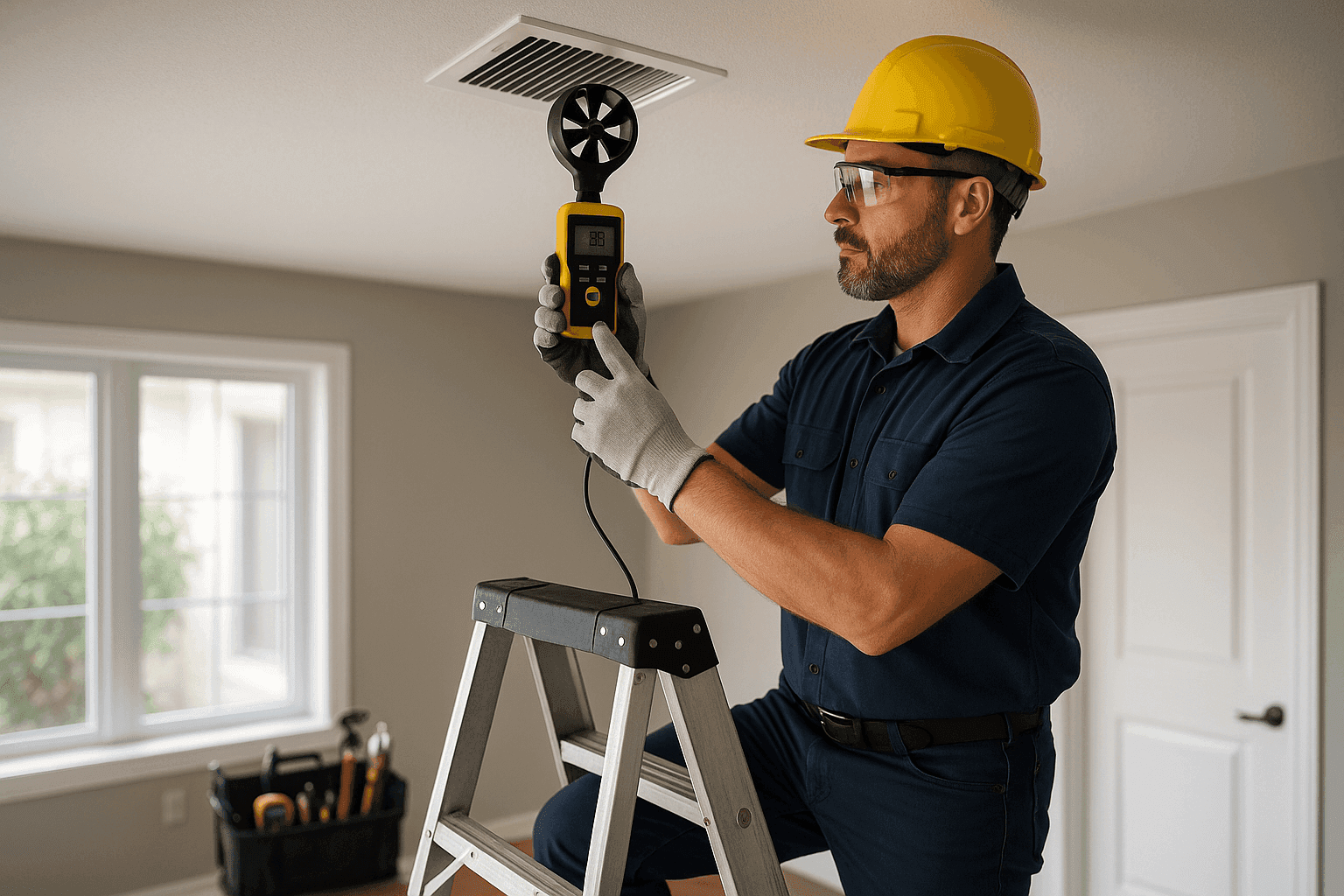
Professional air balancing goes far beyond opening or closing vents. At Holmes Heating & Air, we use specialized equipment to measure airflow, pressure, and temperature throughout your home or business. This process uncovers hidden causes—like leaky ducts, undersized returns, or poorly designed systems—that DIY fixes can’t touch.
What to Expect: The Professional Air Balancing Process 📝
Here’s how a professional air balancing service works, step by step:
- Diagnostic Walkthrough: We start by listening to your concerns—where you notice issues, when they occur, and how long they’ve persisted.
- System Evaluation: Using airflow meters and pressure gauges, we measure each vent, return, and duct. We also check system components like filters, blowers, and dampers.
- Duct Inspection: Our techs look for blockages, leaks, or disconnected sections in your ductwork. Sometimes, a duct cleaning is needed before balancing can begin.
- Data Analysis: We compare measurements to industry standards (like those from ASHRAE or ACCA Manual D) to identify trouble spots.
- Adjustments: This could mean recalibrating dampers, repairing duct leaks, or recommending upgrades like smart thermostats or zoning.
- Documentation: We provide a detailed report of before-and-after data—proof your system is performing at its best.
With expert diagnostics and clear, documented results, you’ll see and feel the difference.
Ongoing Prevention & Maintenance Tips
Keep your system balanced and efficient with these habits:
- Change filters regularly—mark your calendar or set a reminder.
- Schedule annual HVAC maintenance to catch issues early.
- Keep vents clear of obstructions year-round.
- Consider periodic Air Balancing assessments, especially after renovations or changes to occupancy.
Regular care helps your system last longer—and keeps your comfort steady.
Costs & Time Factors: What to Expect
Air balancing isn’t one-size-fits-all. Costs and time depend on factors like system size, duct complexity, and the number of problem areas. Most residential assessments take a few hours. Complex commercial projects can take a day or more.
While we can’t quote exact prices here, investing in air balancing often pays for itself through lower energy bills and fewer repairs down the road.
When It’s an Emergency 🚨
Some situations mean you shouldn’t wait:
- Sudden temperature swings in extreme weather
- Visible sparks or burning smells from vents
- Signs of carbon monoxide (headaches, dizziness, nausea—call 911!)
- Unexplained loss of airflow to critical areas (like server rooms or medical offices)
In an emergency, our 24-hour service has you covered. Your safety always comes first.
FAQ: Air Balancing & Your HVAC
Can I close vents in unused rooms to save money?
No—closing vents can increase pressure and actually strain your HVAC system.
Is air balancing only for older homes?
No. New homes can have design flaws or installation errors. Any building, any age, can benefit.
How often should air balancing be done?
After major renovations, HVAC upgrades, or if you notice comfort issues. Otherwise, check every few years.
Will balancing fix high energy bills?
Often, yes—especially if poor airflow is making your system work harder than it should.
Local and Seasonal Considerations
Our region’s climate swings—hot summers, chilly winters, and damp transitions—put HVAC systems to the test. Spring and fall are perfect times for air balancing, before peak heating or cooling demand. If you’ve recently upgraded to Mini-Splits near you or added new appliances, balancing ensures everything runs in harmony.
Proper air balancing keeps every corner of your home or business comfortable, all year long.
Ready to restore balance and breathe easier?
Call Holmes Heating & Air now — or reach us anytime at 888-835-0228 .