How to Troubleshoot Common AC Problems Before Calling a Pro
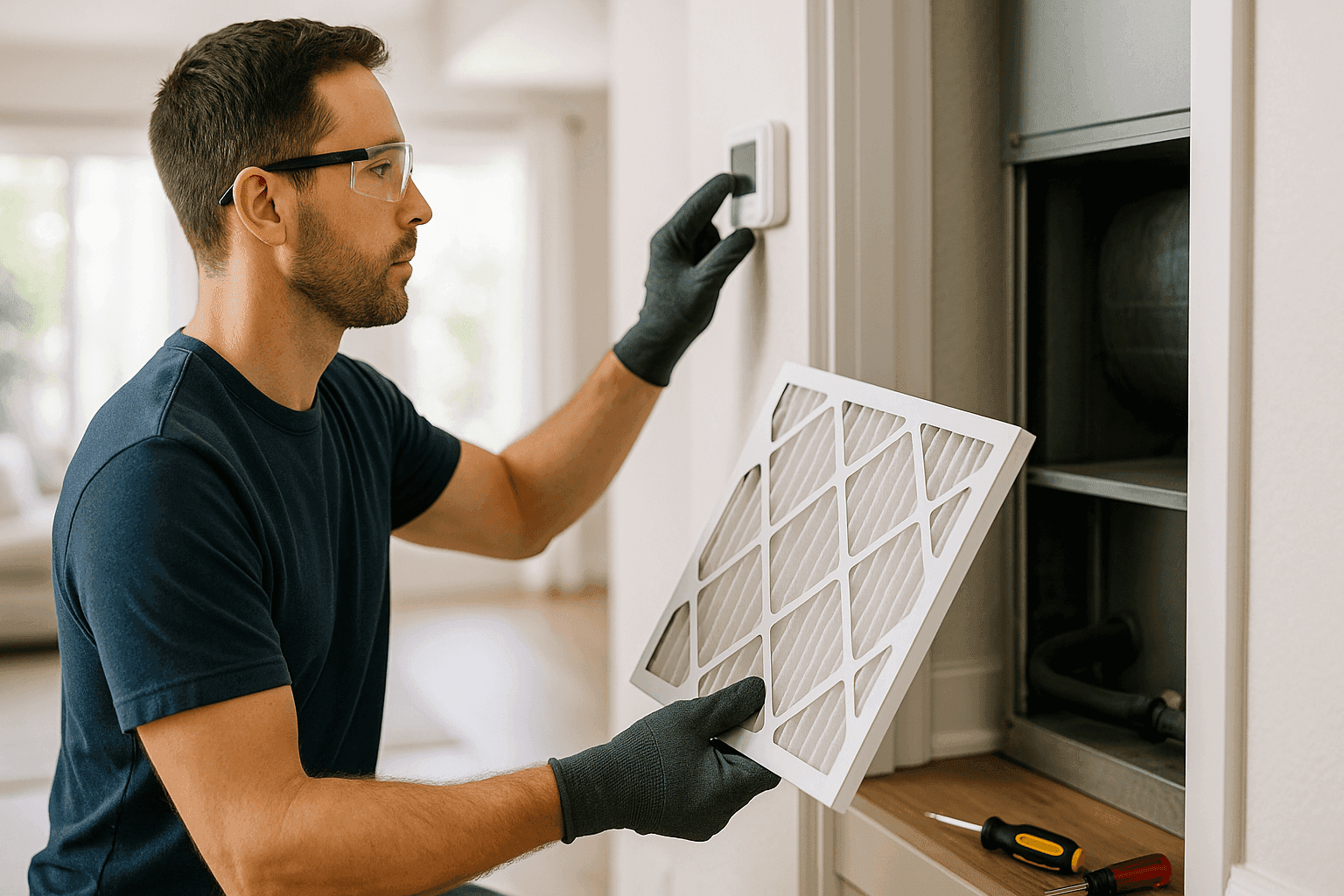
Is your AC blowing warm air when you need it to chill things out? Maybe you’ve heard a strange rattle or noticed a puddle under the unit. HVAC issues show up at the worst moments—right in the middle of summer, or during a packed workday. At Holmes Heating & Air, we know how disruptive a faulty air conditioner can be, whether you’re running a busy office or just trying to keep your home cool.
Before you panic—or reach for the phone—there are a few things you can check yourself. Sometimes the fix is as simple as flipping a switch or changing a dirty filter. But knowing when to stop and call in a licensed technician keeps you safe and protects your system. Here’s how to troubleshoot the most common AC problems, step by step.
The Most Common AC Problems
Most air conditioning headaches boil down to a handful of issues:
- Not cooling at all: The unit runs, but the air isn’t cold.
- Blowing warm air: Feels like a hair dryer instead of an AC.
- Strange noises: Bangs, rattles, squeals, or grinding.
- Leaks or puddles: Water or refrigerant under or around your unit.
- Frequent cycling: The system turns on and off too often.
- Unusual smells: Musty, burning, or chemical odors.
These problems can happen in homes and businesses alike. And while some are easy to fix, others need a trained eye.
Quick Safety Checklist 🛑
Before you touch anything, take a minute to stay safe:
- Turn off power at the breaker box if you need to open panels or access wiring.
- Never touch wet components if water or refrigerant is present.
- Wear gloves and eye protection when checking around the unit.
- Look for warning labels (like “high voltage”) and never remove them.
- Check for gas smells. If you smell gas, leave and call emergency services immediately.
When in doubt, step back and call a professional. Electricity and refrigerants are nothing to mess with.
Quick Checks You Can Do
Both homeowners and business owners can handle these simple checks:
1. Thermostat Settings
- Make sure the thermostat is set to "cool" and the temperature is below current room temp.
- Replace batteries if the screen is blank.
- Double-check programmable settings or schedules.
2. Air Filter
A clogged filter is the number one AC killer. Dirty filters choke airflow, making your system work harder and sometimes shutting it down completely.
- Locate the filter (usually near the return vent or inside the furnace/air handler).
- Slide it out. If you can’t see light through it, replace it.
- For commercial properties, check rooftop units for hidden filters.
For more on proper filter care, see our Filters service page.
3. Power Supply
- Check your circuit breaker. Has it tripped?
- For mini-splits and some commercial units, check disconnect switches outside or near the unit.
4. Vents and Registers
- Make sure all vents are open and unblocked by furniture or rugs.
- In businesses, check for closed dampers or blocked diffusers.
5. Outdoor Unit
- Clear away leaves, grass, or debris within two feet of the outdoor condenser.
- Listen for loud or unusual noises.
Step-by-Step Troubleshooting
If your AC still isn’t working, try these steps:
Step 1: AC Not Cooling
- Ensure all windows and doors are closed.
- Wait 10–15 minutes after adjusting the thermostat—ACs take time to react.
- If still not cooling, check for ice buildup on refrigerant lines (usually means low airflow or refrigerant).
- Defrost by turning the system off and setting the fan to “on” for a few hours.
Step 2: Blowing Warm Air
- See if the outdoor unit is running. If not, it could be a power or thermostat issue.
- If the fan runs but the compressor doesn’t, it’s time for a professional to check refrigerant or electrical.
Step 3: Strange Noises
- Rattling: Could be leaves or debris in the fan.
- Squealing: Often a worn-out belt (older systems).
- Grinding: May signal motor or bearing failure—turn it off and call for help.
Step 4: Leaks or Puddles
- Water: Check if the drain line is clogged. Gently clear with a wet/dry vacuum if you’re comfortable.
- Refrigerant: If it smells chemical or oily, don’t touch—call a pro.
Step 5: Frequent Cycling
- Dirty filter, low refrigerant, or oversized system could be to blame.
- Replace filter and clear vents. If problem continues, call for service.
More resources on safe AC troubleshooting can be found at the U.S. Department of Energy and the EPA.
Warning Signs It’s Time for a Pro 🚨
Some problems are bigger than a quick fix. Stop and call Holmes Heating & Air if you notice:
- Electrical burning smells or popping sounds.
- Ice that keeps returning after thawing.
- Water leaks near electrical panels.
- No power, even after checking breakers.
- Strange noises that get louder.
- Refrigerant leaks (oily residue, hissing, or chemical smell).
- Poor airflow throughout the building, not just one room.
Trying to fix these on your own can make things worse—or even dangerous.
DIY vs. Call a Pro
Changing a filter or clearing debris? That’s safe for most. Tinkering with wiring, refrigerant, or sealed components? That’s best left to certified HVAC technicians for a reason.
Here’s why:
- Refrigerant: Handling it without proper EPA certification is illegal and unsafe.
- Electrical repairs: Risk of shock or fire.
- Warranty: DIY fixes on the wrong parts can void your manufacturer’s warranty.
- Complex controls: Modern ACs and mini-splits near you are full of sensors and circuit boards.
A licensed tech knows the codes, has the tools, and can spot things you’d never see.
For more info on keeping your system healthy, check out our AC Maintenance page.
What Pros Do On Arrival
When our team at Holmes Heating & Air arrives, here’s what to expect:
- Inspect thermostat, wiring, and controls.
- Test refrigerant pressures (using EPA-compliant gauges).
- Examine filters, coils, and drains.
- Check for electrical safety and code compliance.
- Run diagnostics on motors, fans, and compressors.
- Recommend repairs or replacements based on findings.
You get a clear explanation of what’s wrong, how we’ll fix it, and your options.
Prevention & Maintenance
A little upkeep goes a long way for both homes and businesses:
- Change filters every 1–3 months, more often in dusty or high-traffic environments.
- Keep outdoor units free of debris and plants.
- Schedule annual professional tune-ups (spring for AC, fall for heating).
- Keep vents and returns clear at all times.
- For commercial HVAC: Monitor energy bills for sudden jumps, which can signal hidden issues.
Regular HVAC maintenance not only prevents breakdowns, it extends the life of your investment.
Costs & Time Factors
A simple filter change or thermostat reset? That’s a few minutes and the cost of a new filter. Professional repairs vary by problem and parts:
- Minor fixes (like clearing a drain or replacing a capacitor) can often be done same-day.
- Bigger repairs (compressors, motors) may require ordering parts.
- Most service calls take 1–3 hours, but emergency situations go to the top of the queue.
Don’t delay small problems—waiting often leads to bigger headaches and higher bills.
When It’s an Emergency
Some AC issues can’t wait:
- Total loss of cooling during a heatwave, especially for vulnerable residents or critical business operations.
- Electrical or burning smells.
- Water leaks near electrical panels.
- Rapidly rising temperatures in server rooms or sensitive commercial spaces.
Holmes Heating & Air offers 24 hour emergency service for these situations. If you’re in Carrollton, see our AC Repair in Carrollton, Georgia page for fast help.
FAQ: Common Questions
Why does my AC freeze up?
Usually low airflow (dirty filter, blocked vent) or low refrigerant. Change your filter and call if it happens again.
What’s that musty smell?
Often mold in the drain line or coil. Try running the fan only for 30 minutes. If it persists, schedule a cleaning.
Can I use any filter?
Check your owner’s manual for size and type. Using the wrong filter can restrict airflow and damage your unit.
How often should commercial HVAC systems be serviced?
At least twice a year. High-use spaces may need quarterly maintenance.
Local & Seasonal Considerations
Here in Georgia, humidity and pollen can clog filters fast and stress your AC. In high-heat months, systems work overtime—making maintenance even more important. For businesses, a single breakdown can mean lost productivity and unhappy tenants or customers. Schedule regular checkups before peak season, and always have emergency numbers on hand.
A little know-how goes a long way, but some AC problems need the steady hand of a licensed technician. If your troubleshooting didn’t solve the issue—or you’re just not sure—don’t risk your comfort or safety.
Call Holmes Heating & Air now — or reach us anytime at 888-835-0228 .