How to Troubleshoot Noisy HVAC Systems
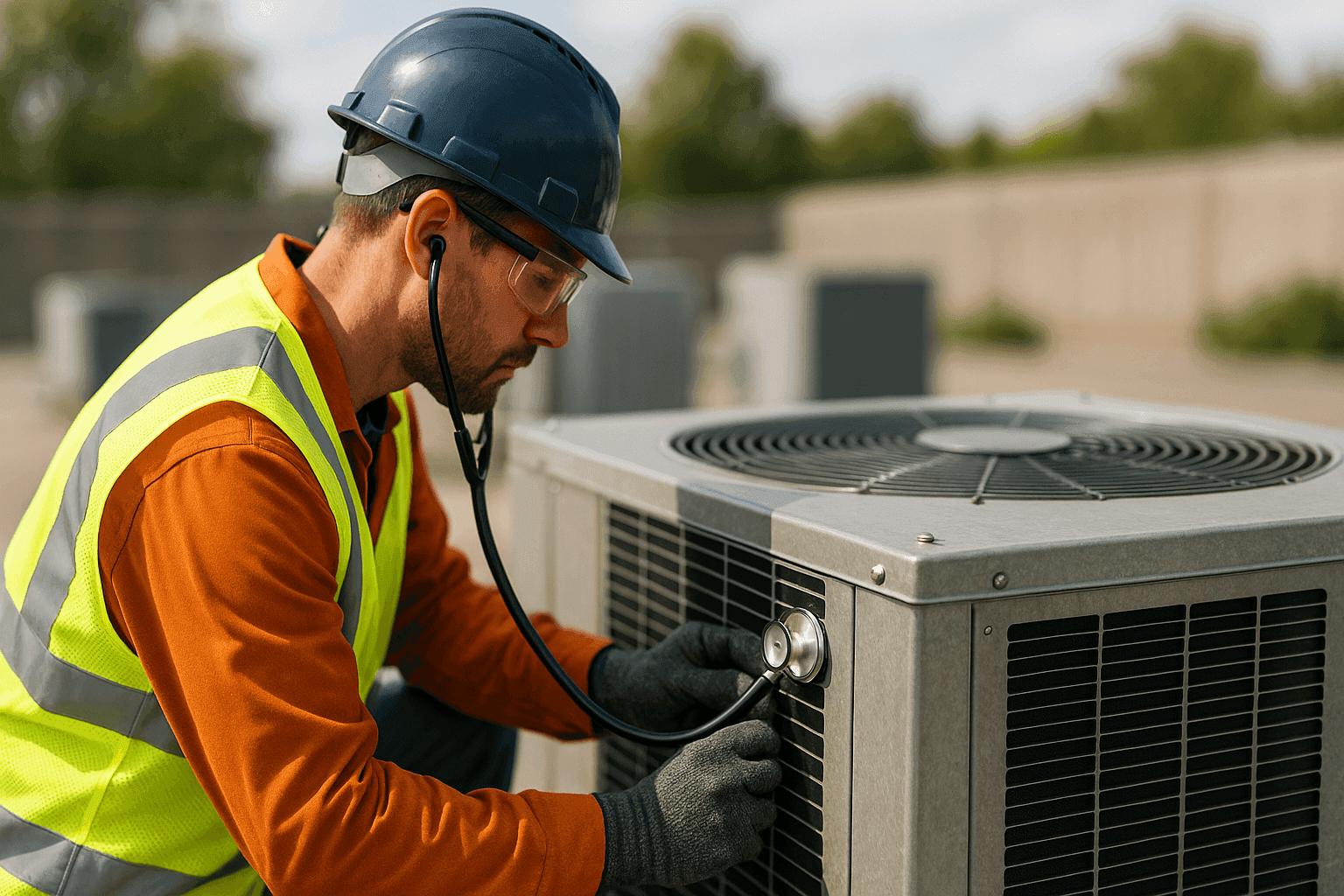
Is your HVAC making enough noise to drown out your peace and quiet? You’re not alone. Rattles, buzzes, and mysterious bangs can turn a home or business into a guessing game—and not the fun kind.
At Holmes Heating & Air, we know how unnerving strange HVAC sounds can be. Let’s walk through why they happen, what you can do, and when it’s time to call in the pros. Silence is golden, and we’re here to help you win it back.
Common HVAC Noises (and What They Mean) 🔊
HVAC systems, whether you have Mini-Splits near you or a classic furnace, aren’t supposed to sound like a rock concert. Some common noises to watch for:
- Banging or Clanking: Like someone dropped a wrench inside your unit? This usually points to loose parts or a broken component.
- Buzzing: Electric hums often mean electrical issues, loose wiring, or a failing motor.
- Whistling: Air squeezing through a tight or leaky spot in your ducts—a sign of a gap or clogged filter.
- Squealing or Screeching: Worn-out belts or bearings, especially with older AC units or furnaces.
- Rattling: Loose screws, panels, or debris in the vents.
- Hissing: Escaping refrigerant or air leaks from ductwork.
If you hear something new, loud, or persistent, it’s time to pay attention. Noise is your HVAC’s way of waving a red flag.
Troubleshooting Steps: Your Quick Safety Checklist 🛠️
Before diving in, safety first. HVAC systems have moving parts, high voltage, and sometimes hot surfaces. Here’s what to do:
- Turn Off Power: Always switch off your HVAC at the breaker before checking anything inside.
- Don’t Remove Panels Unless Trained: Stick to visual inspections unless you’re comfortable and qualified.
- Check Thermostat Settings: Sometimes the culprit is as simple as a fan set to “On” instead of “Auto.”
- Inspect Vents and Grilles: Make sure nothing’s blocking airflow—move furniture, curtains, or boxes that might be in the way.
- Replace Dirty Filters: A clogged filter strains the system and can cause whistling or banging.
- Check Outdoor Units: Clear away leaves, sticks, or debris.
- Scan for Loose Screws: Tighten panels if you spot them rattling.
Never ignore a burning smell, electrical sparks, or sudden silence after a loud bang. For these, step away and call for help immediately.
DIY Fixes vs. When to Call a Pro
Some noise sources are safe to handle on your own. Others? Not so much.
Safe DIY Fixes
- Replace filters—easy, affordable, and can silence airflow issues.
- Tighten exterior screws or panels—use a screwdriver, but don’t over-tighten.
- Clean vents and registers—remove dust and small debris.
- Vacuum around the blower compartment (if accessible)—with the power off.
Call a Pro For
- Persistent electrical buzzing—could mean wiring or relay problems.
- Banging, clanking, or grinding inside the unit—often a loose part or motor issue.
- Hissing from refrigerant lines—refrigerant is hazardous and requires a licensed technician.
- Screeching or squealing—may need belt or motor bearing replacement.
- If your system won’t start after troubleshooting—there could be a deeper problem.
Don’t risk your safety or the longevity of your HVAC. Our hvac-repair service covers all makes and models, for both homes and businesses.
Noise Reduction Tips
Quiet comfort is possible! Here’s how to dial down the volume:
- Schedule annual HVAC maintenance—catch issues before they get loud.
- Have your ductwork inspected—leaky or undersized ducts can whistle and rattle.
- Upgrade to high-quality filters—they help keep airflow smooth.
- Use sound-absorbing insulation—especially in mechanical rooms or around ductwork.
- Balance the airflow—our air balancing service can resolve uneven pressure that causes whistling.
- Install anti-vibration pads—these minimize shaking and rattling from outdoor units.
A little prevention goes a long way. For more on cleaning and maintaining ducts, check out our duct-cleaning page.
When to Get Professional Help 📞
Sometimes, DIY just won’t cut it. Here’s when to call Holmes Heating & Air:
- You hear a sudden change in noise volume or type.
- There’s a burning smell, smoke, or visible sparks.
- Your HVAC shuts down, or won’t turn on.
- Any noise wakes you up at night or interrupts business.
- You see signs of leaks or water pooling around the unit.
We’re available 24/7 for emergencies. Don’t wait if your comfort—or safety—is at risk.
What Our Pros Do When They Arrive
Our technicians are trained to listen. Not just to you, but to your system. Here’s what you can expect when we show up:
- Careful inspection: We check all electrical, mechanical, and airflow components.
- Diagnostic testing: Using specialized tools, we pinpoint the exact source of the noise.
- Code and safety checks: All repairs follow the latest National Electrical Code (NEC) and industry safety guidelines.
- Clear communication: We explain the problem, show you the evidence, and outline your options.
- Efficient repairs: We fix the issue and test your system for quiet, reliable operation.
Your comfort and safety come first—always.
Prevention & Maintenance
Stop noise problems before they start:
- Regular filter changes: Every 1–3 months, depending on your system and usage.
- Duct cleaning: Every 3–5 years, or sooner if you notice dust or musty odors.
- Professional maintenance: Schedule seasonal checkups for both heating and cooling.
- Seal and insulate ducts: This prevents air leaks and temperature swings.
- Keep outdoor units clear: Trim bushes and clean up debris at least twice a year.
Following these steps keeps your system running quietly and efficiently.
Costs & Time Factors
Repairing a noisy HVAC system is rarely a one-size-fits-all job. Here’s what affects the price and timeline:
- Type of noise: Simple fixes (like a loose screw) take minutes. Motor or compressor issues can take hours.
- System complexity: Mini-Splits near you or high-efficiency furnaces may require specialized parts.
- Age of equipment: Older systems might need more extensive repairs—or even replacement.
- Parts availability: Some fixes can be done the same day. Others depend on ordering components.
In general, most noise issues can be diagnosed in one visit. Costs range from minor adjustments to more involved repairs.
When It’s an Emergency
Certain sounds signal urgent problems:
- Loud bangs followed by silence: Could mean a motor or capacitor failure.
- Burning smell or smoke: Shut down power and evacuate immediately.
- Repeated circuit breaker trips: Electrical fire risk—don’t ignore it.
- Water leaks near electrical components: Combines water and electricity—a dangerous mix.
If you’re ever unsure, don’t take chances. Call for HVAC Repair near me in Sanford, Maine for fast, professional help.
FAQ: Noisy HVAC Systems
Q: My HVAC was quiet for years—why is it noisy now?
A: Age, dust buildup, and changing weather can all cause parts to loosen or wear out. Regular maintenance helps prevent this.
Q: Are noisy ducts dangerous?
A: Usually not, but they’re a sign of air leaks or pressure problems that can waste energy and reduce comfort.
Q: Can I use WD-40 on a squeaky blower?
A: No—HVAC motors require specific lubricants. Using the wrong product can damage parts or void warranties.
Q: Will duct cleaning silence my system?
A: If the noise is from dust or debris, yes. But mechanical or electrical noises need a technician’s attention.
Local & Seasonal Considerations
In Maine and other colder climates, systems work hard through harsh winters and humid summers. Seasonal transitions often reveal hidden issues—expanding metal, frozen coils, or critters nesting in outdoor units. That’s why spring and fall are the best times for a professional checkup.
Whether you’re a homeowner or running a business, a quiet, well-tuned HVAC means comfort and peace of mind year-round.
Call Holmes Heating & Air now — or reach us anytime at 888-835-0228 .