HVAC Filters 101: Types, Replacement Schedules & Allergy Relief
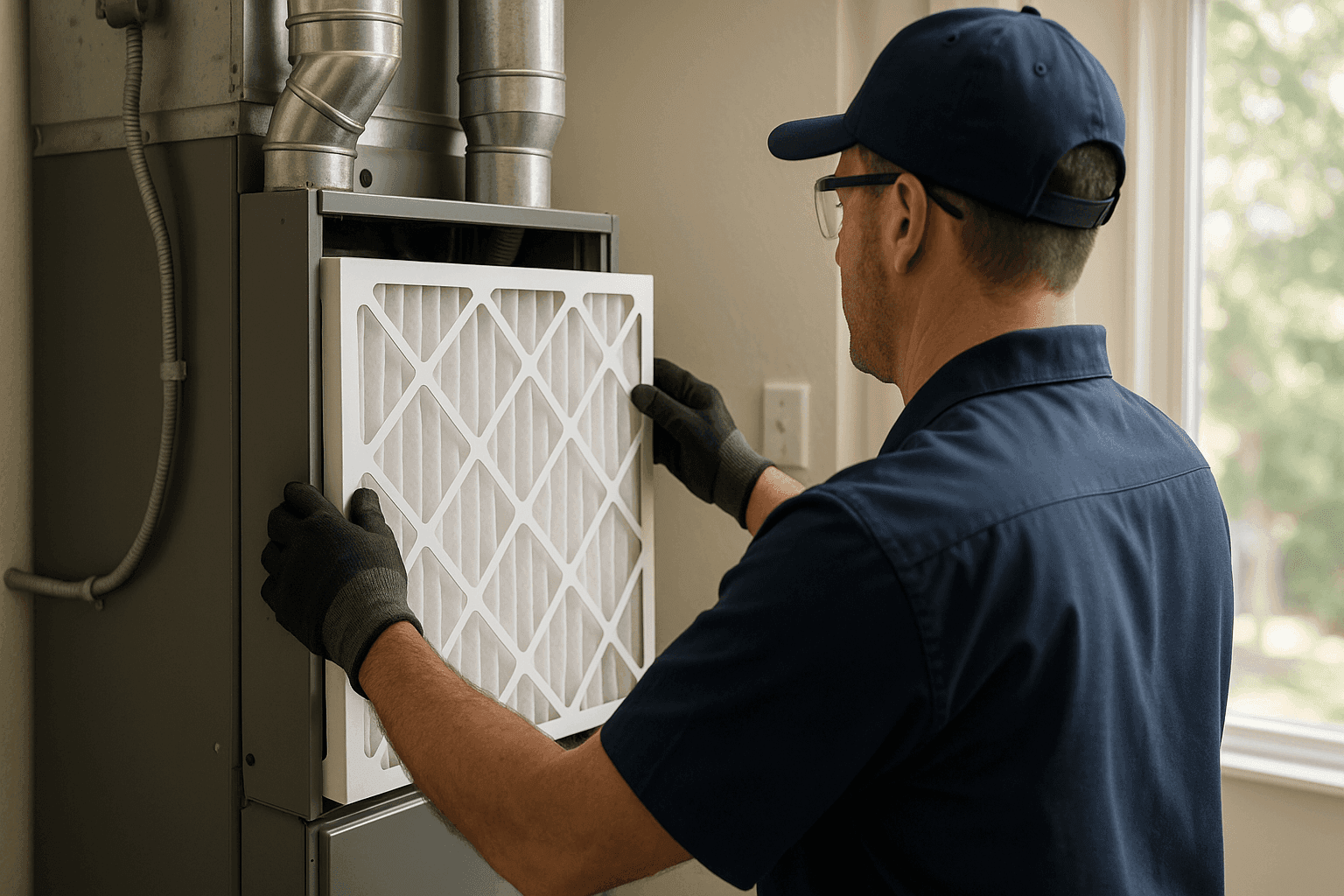
Breathe easy—literally. Your HVAC system’s filter is more than just a screen for dust; it’s the silent defender of your air quality, your health, and even your comfort bill. If you’ve ever wondered why your allergies act up indoors or your AC feels sluggish, that thin filter may be the unsung culprit.
At Holmes Heating & Air, we’ve seen it all: filters black as night, cracked frames, and systems struggling under the weight of months-old dust. Whether you’re managing a busy home or keeping a commercial space fresh, this guide will help you pick, change, and truly benefit from the right HVAC filter.
Types of HVAC Filters 🏠
Think of your HVAC filter like a goalie—it blocks the bad stuff, so only clean air makes it through. But not all filters are created equal. Some are like chain-link fences, others more like fine nets.
MERV Ratings: The Scorecard for Filters
- MERV stands for Minimum Efficiency Reporting Value. It’s a scale from 1 to 16. Higher numbers trap smaller particles.
- MERV 6-8: Basic dust, pollen, lint. Good for standard homes with no allergy concerns.
- MERV 9-12: Blocks finer particles—pet dander, some bacteria. Better for households with pets or mild allergies.
- MERV 13-16: Snags even smoke, virus particles, and fine allergens. Heavy-duty, but may restrict airflow if your system isn’t built for it.
Pro tip: Check your system’s specs before swapping in a high-MERV filter. Pushing your HVAC too hard can do more harm than good.
HEPA Filters: The “Gold Standard” (But Not Always Compatible)
- HEPA (High-Efficiency Particulate Air) filters capture 99.97% of particles down to 0.3 microns. Hospitals use them.
- Most home HVAC systems can’t handle full HEPA filters without upgrades. They’re often used in portable air purifiers or specialized setups.
Filter Materials: Fiberglass, Pleated, and Beyond
- Fiberglass: Cheap, disposable. Catches big stuff; lets finer particles through.
- Pleated: More surface area, better capture. Made of polyester or cotton folds. Good value for most homes.
- Electrostatic: Uses static charge to trap particles. Washable and reusable. Not always as effective as a quality pleated filter.
- Activated Carbon: Helps with odors and some chemicals. Used as an extra layer, not a primary filter.
Still not sure which filter fits your unit? Our Filters in Brunswick, Maine page breaks it down for local homes and businesses.
When to Replace Your HVAC Filter
Would you run your car for a year without changing the oil? Skipping filter changes is just as risky for your HVAC.
General Guidelines
- 1” filters: Every 1–3 months.
- 2–4” filters: Every 3–6 months.
- HEPA or specialty filters: Check manufacturer specs—some last up to a year.
But life isn’t one-size-fits-all. Replace more often if:
- You have pets that shed.
- Someone in your home has allergies or asthma.
- Construction or remodeling is happening.
- You run the system constantly (think: extreme summers or winters).
Tip: Hold the filter up to a light. If you can’t see light through it, it’s overdue for a change.
Allergy and Health Benefits of Clean Filters 🌿
A fresh filter is like a shield for your lungs. Dirty or neglected filters let dust, allergens, and even mold spores circulate, making symptoms worse for sensitive folks.
How Filters Help
- Traps pollen, dust, dander, and sometimes bacteria.
- Removes airborne irritants before they enter your lungs.
- Reduces asthma and allergy flare-ups.
- Improves sleep by keeping air cleaner at night.
The CDC and American Lung Association both recommend regular HVAC filter changes as part of a healthy home routine.
DIY vs. Professional Filter Replacement
Swapping a filter seems simple, right? Sometimes it is. But sometimes, it’s like changing the filter on a jet engine—one wrong move, and you risk the whole system.
DIY: When It’s Safe
- You know the filter size and type.
- The slot is accessible and safe to reach.
- You’re not dealing with specialty filters or commercial systems.
When to Call Holmes Heating & Air
- Unsure about filter compatibility? We match the right filter to your system—no guesswork.
- Changing a filter in a tight attic or rooftop unit? Safety first.
- Noticing dust buildup, odd smells, or allergies after a filter change? You may need more than just a swap.
Professional replacements cover more than just sliding in a new filter. We check for fit, seal, and airflow—ensuring your equipment runs safely and efficiently. Learn more on our filters and indoor air quality service pages.
Why Professional Filter Changes Matter 🛠️
The right filter, properly installed, makes all the difference. Here’s why a pro touch is worth it:
- Proper Sizing: Filters that are too small let dust sneak around the edges. Too big, and they don’t fit at all.
- Airflow Testing: Pros check static pressure, making sure your system isn’t straining.
- System Health: We spot early signs of leaks, mold, or worn seals—protecting your investment.
- Safety: Incorrect filters can overheat furnaces or freeze AC coils. That’s a costly mistake.
We follow EPA and manufacturer guidelines for every job. No shortcuts, no guesswork.
Quick Safety Checklist Before Changing Your HVAC Filter
- Turn off your HVAC system before removing the filter.
- Wear gloves and a dust mask if you have allergies or asthma.
- Make sure the replacement filter matches the size and MERV rating your system supports.
- Check for signs of mold or water damage around the filter slot.
- Dispose of old filters in a sealed bag.
If you spot anything unusual—strong odors, visible mold, or water stains—stop and call a professional.
Practical Tips for Optimal Filtration
- Set reminders: Use your phone or calendar to track filter change dates.
- Label filters: Write the date of installation on the frame.
- Inspect monthly: Even if the schedule says “3 months,” check for visible dust or discoloration.
- Upgrade thoughtfully: If you want better filtration (for allergies, pets, or wildfire smoke), ask about system compatibility first.
- Bundle with AC maintenance: Combine filter changes with seasonal ac maintenance for peak performance.
DIY vs. Pro: The Real-World Difference
Changing a filter is like watering your garden. Most days, you can handle it. But when something’s off—wilting leaves, weird spots—you call in a gardener. Same with HVAC.
DIY is fine for routine swaps in accessible, residential units. Commercial systems, high-MERV or specialty filters, and hard-to-reach spots? That’s our turf.
If you’re ever unsure, it’s always safer (and cheaper in the long run) to call in Holmes Heating & Air.
What Pros Do On Arrival
Curious what happens during a professional filter change?
- Inspect the old filter for debris, discoloration, or moisture.
- Verify correct filter size, MERV rating, and fit for your system.
- Clean the filter compartment and look for signs of mold, dust buildup, or leaks.
- Test system airflow after installation.
- Advise on the next replacement schedule and any upgrades if needed.
This attention to detail keeps your system running efficiently—and your air clean.
Prevention & Maintenance
Filter changes are just the beginning. Here’s how to keep your air (and system) at its best:
- Schedule seasonal HVAC maintenance to spot issues early.
- Consider home energy audits for hidden airflow or insulation problems.
- Ask about air scrubbers, dehumidifiers, or humidity control for stubborn allergy symptoms.
- Monitor indoor air quality with IAQ testing tools, especially in older homes or buildings.
A clean filter is your first defense, but a healthy HVAC routine builds real protection.
Costs & Time Factors
How much does a filter change cost? It depends on the filter type, system size, and whether you go DIY or hire a pro.
- DIY: The price of the filter itself, usually $5–$50 for residential units.
- Pro service: Includes inspection, proper fitting, and system check—ranges from $50–$200 depending on system complexity and filter type.
Commercial HVAC filter changes, high-MERV or specialty filters, and hard-to-reach units may cost more due to labor and safety requirements.
Time required: Most residential filter swaps take 10–15 minutes. Commercial or specialty units can take longer.
When It’s an Emergency 🚨
If you notice:
- Burning smells from your vents
- Your HVAC system shuts off unexpectedly
- Loud banging or whistling near the filter slot
- Sudden increase in allergy symptoms or visible mold growth
Stop. Turn off your HVAC immediately. Call Holmes Heating & Air for 24-hour emergency service. Your health—and your system—depend on it.
Frequently Asked Questions
How do I know what filter size to buy?
Check the old filter frame for dimensions, or your HVAC manual. When in doubt, our techs can measure and recommend the right fit.
Can a better filter reduce my energy bill?
A clean, properly sized filter helps your system “breathe” easier, lowering strain and energy use. But a filter that's too dense (high MERV) can actually increase costs if your system isn't built for it.
Are reusable filters worth it?
Washable filters save money long-term, but they need regular cleaning and may not capture fine particles as well as pleated disposable filters.
How does filter choice affect indoor air quality?
A quality filter, changed regularly, is the simplest way to cut down dust, allergens, and airborne irritants—improving comfort and health for everyone indoors.
Local & Seasonal Considerations
In our New England climate, filter needs change with the seasons. Spring pollen and fall leaves mean more debris in the air. Winters bring drier air and more indoor time—filters work harder.
Commercial spaces—especially those with kitchens or industrial activity—may need more frequent changes due to extra dust, grease, or fumes.
Ask us about filter plans for Mini-Splits near you, or specialized filters for unique local needs.
Ready for Cleaner, Healthier Air?
Don’t let a neglected filter slow down your comfort or trigger your allergies. The right choice, replaced at the right time, makes all the difference. Whether you’re a homeowner or running a busy business, Holmes Heating & Air is here to help you breathe easier, save money, and keep your HVAC running strong.
Call Holmes Heating & Air now — or reach us anytime at 888-835-0228 .