HVAC Repair: When to DIY and When to Call a Professional
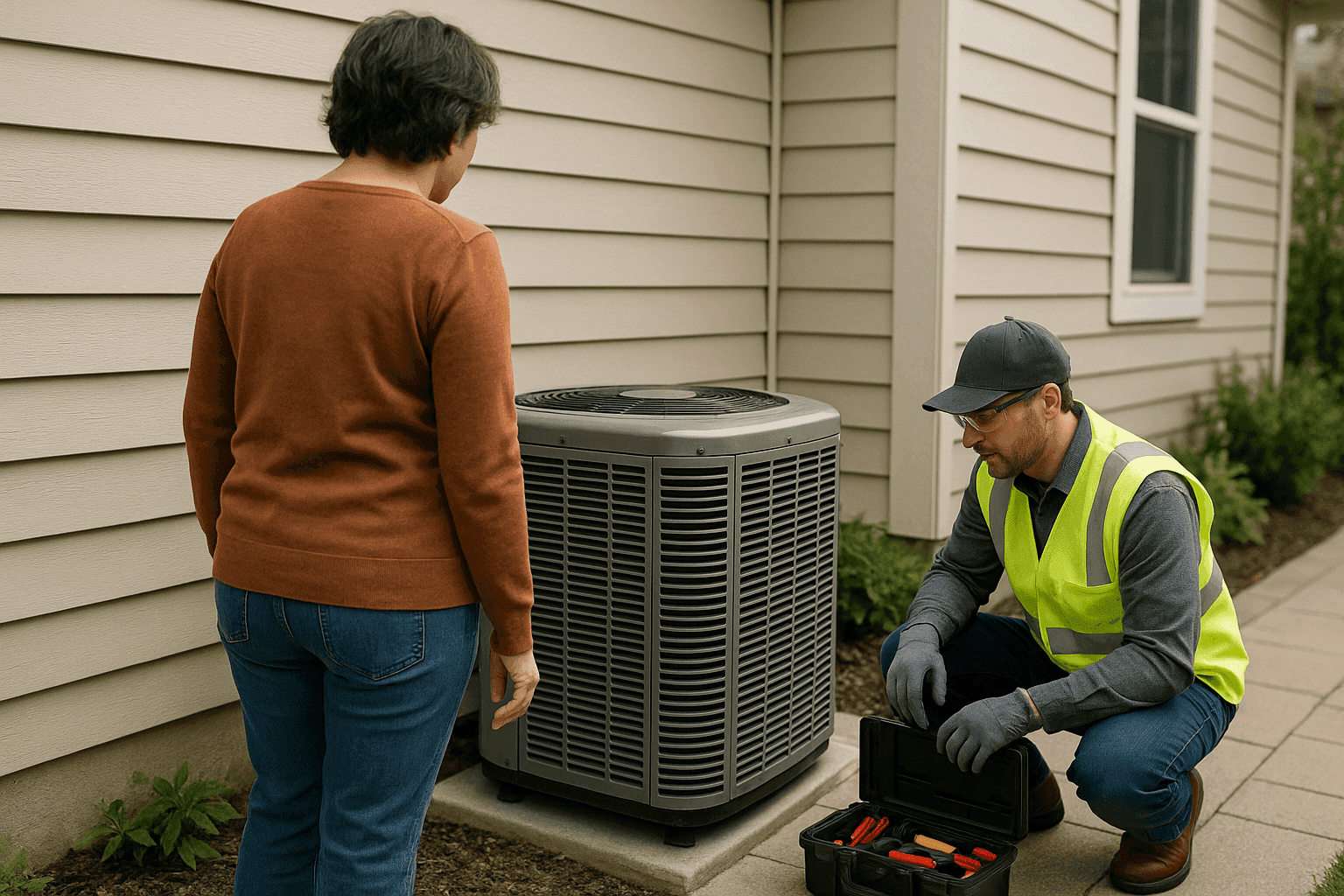
Is your HVAC system making odd noises, or suddenly blowing warm air in the middle of summer? It’s enough to make anyone sweat. At Holmes Heating & Air, we know how fast a small problem can turn into an urgent one—especially when your comfort or safety is at stake.
You want to save time and money, but you also want the job done right. And safe. Understanding the difference between a simple filter swap and a risky repair can keep your home (or business) running smoothly—and you out of harm’s way.
The Most Common HVAC Problems: What Can (and Can’t) You Fix?
HVAC systems are like the circulatory system in your body—always at work, often unnoticed, until something feels off. Some issues are more like a stubbed toe: annoying, but easy to handle. Others are more like chest pain: not something you want to ignore or treat alone.
Routine Issues You Can Tackle
- Dirty air filters causing weak airflow or strange smells
- Thermostat glitches (sometimes it’s just a dead battery or a setting)
- Circuit breaker trips—a quick reset may do the trick
- Visible debris or dust on vents and registers
If you’re comfortable with a screwdriver and a step stool, and you always cut power before you open things up, you’re probably good to go on these.
Problems Best Left to the Pros
- Electrical issues (smoking, sparks, or repeated breaker trips)
- Refrigerant leaks (hissing sounds, ice buildup, or weak cooling)
- Gas furnace problems (smell of gas, pilot light issues)
- Strange, persistent noises (grinding, screeching, or loud bangs)
- Water pooling around the indoor unit or in unexpected places
These issues can be dangerous, or require specialized equipment and training. It’s not worth the risk.
Safe DIY Fixes for Homeowners 🧰
Before you grab your toolbox, let’s talk about what you can safely try at home. These fixes can keep your system running efficiently, and they’re usually quick.
- Change the air filter: Check every 1–3 months. Slide out the old, slide in the new. Make sure it fits snug.
- Reset the thermostat: If your system isn’t responding, reset or replace batteries and double-check settings.
- Clear return and supply vents: Make sure furniture and curtains aren’t blocking airflow.
- Flip the breaker: If your system won’t start, ensure the breaker hasn’t tripped. Turn it off and on once—never repeatedly.
- Clean visible dust: Use a vacuum or soft brush to gently clean vent covers and around the unit.
Safety tip: Always turn off power at the breaker before opening your HVAC panel or working around wires.
Signs You Need a Professional
Sometimes, the signs are as clear as a flashing warning light on your car—it’s time to call for help.
- Burning, electrical, or gas smells—these can signal serious dangers.
- No power at all: If the unit won’t turn on, and you’ve checked breakers and batteries.
- Water leaks or puddles under or near the unit.
- Unusual or loud noises that start suddenly or don’t stop.
- Short cycling: The system turns on and off rapidly.
- Frozen coils or lines on your air conditioner or mini-splits.
If you’re ever in doubt, it’s safer (and cheaper in the long run) to let a licensed technician take a look.
Risks of Improper Repair
Trying to fix a major HVAC issue without training can be like trying to patch a leak in a dam with duct tape. It might hold for a minute, but it won’t last—and could do more harm than good.
- Electric shock risk: HVAC systems often run on high voltage.
- Fire hazard: Faulty wiring or DIY fixes can spark fires.
- Carbon monoxide danger: Improper repairs on furnaces or gas systems can lead to deadly leaks.
- Warranty void: Many manufacturers require repairs by licensed pros.
- Costly damage: A simple mistake can turn a $100 repair into a $1000 replacement.
According to the U.S. Consumer Product Safety Commission, electrical failures and poor repairs are a leading cause of home fires. It’s not worth the gamble.
How to Choose a Qualified HVAC Contractor 🏅
When you need help, you want someone who knows more than just which end of the wrench to hold. Here’s what to look for:
- Licensed and insured: Ask to see proof—don’t just take their word for it.
- Background-checked technicians: Protect your home and peace of mind.
- Local experience: They know the quirks of systems and seasons in your area.
- Clear, upfront communication: No hidden fees or technical double-talk.
- Prompt service: Especially important for emergencies or business needs.
At Holmes Heating & Air, our technicians are licensed, insured, and carefully screened for your safety.
What Pros Do On Arrival
You might wonder—what exactly happens when a technician shows up? Here’s a peek behind the curtain:
- Thorough inspection: They’ll check electrical, refrigerant, and mechanical systems.
- Code compliance: Repairs are done to current building and safety codes.
- Professional tools: Specialized gauges, meters, and leak detectors.
- Accurate diagnosis: They’ll explain the issue and your options—clearly.
- Repairs and testing: Once fixed, the system is tested for safe, efficient operation.
This ensures not just a quick fix, but a safe, reliable result that keeps you comfortable.
Prevention & Maintenance: Your Best Defense
The easiest repair is the one you never need. Regular maintenance keeps small problems from snowballing.
- Schedule seasonal tune-ups: Once before summer, once before winter.
- Change filters regularly: It’s the #1 way to protect your system.
- Keep outdoor units clear: Trim bushes and sweep debris.
- Check for odd noises or smells: Call early—don’t wait until it’s urgent.
Looking for help with Mini-Splits near you or curious about AC Repair? Holmes Heating & Air can help with both.
Costs & Time Factors
Every home and system is unique, but here’s what you can expect:
- DIY fixes: Changing a filter or resetting a thermostat costs little and takes minutes.
- Professional repairs: Simple fixes (like a capacitor swap) might take less than an hour. Complex issues (like replacing a heat exchanger) can take several hours.
- Parts and labor: Uncommon or specialty parts can add time (and cost).
Calling early helps you avoid the higher costs of emergency service or after-hours repairs.
When It’s an Emergency
Some issues can’t wait. If you smell gas, suspect a carbon monoxide leak, or your system is sparking or smoking—leave the area and call 911 or your gas provider first. Then call an HVAC professional.
For serious breakdowns after hours, Holmes Heating & Air offers 24 Hour Emergency Service for both homes and businesses. Your safety comes first.
FAQ: Common HVAC Repair Questions
Can I recharge my own AC refrigerant?
No. Handling refrigerant without certification is illegal and dangerous. It can cause injury and environmental harm.
How often should I have my HVAC system serviced?
We recommend twice a year—once in spring, once in fall. According to ENERGY STAR, this is the best way to keep your system reliable and efficient.
Is duct cleaning really necessary?
If you notice dust, allergy issues, or visible debris, a professional duct cleaning can improve indoor air quality.
What’s the average lifespan of an HVAC system?
Most systems last 10–15 years with proper maintenance, according to the U.S. Department of Energy.
Local and Seasonal Considerations
Weather swings put extra strain on HVAC systems. In humid summers, clogged filters or weak AC can quickly lead to discomfort—or even mold. In cold seasons, furnace issues can mean more than chilly toes; they can spell frozen pipes or unsafe air.
If you’re looking for reliable HVAC Repair in Lorton, Virginia, Holmes Heating & Air is here for you year-round.
Ready to stay comfortable and safe? Don’t wait for a small issue to turn into a big one.
Call Holmes Heating & Air now — or reach us anytime at 888-835-0228 .