Sheet Metal Fabrication in HVAC: Why Quality Matters
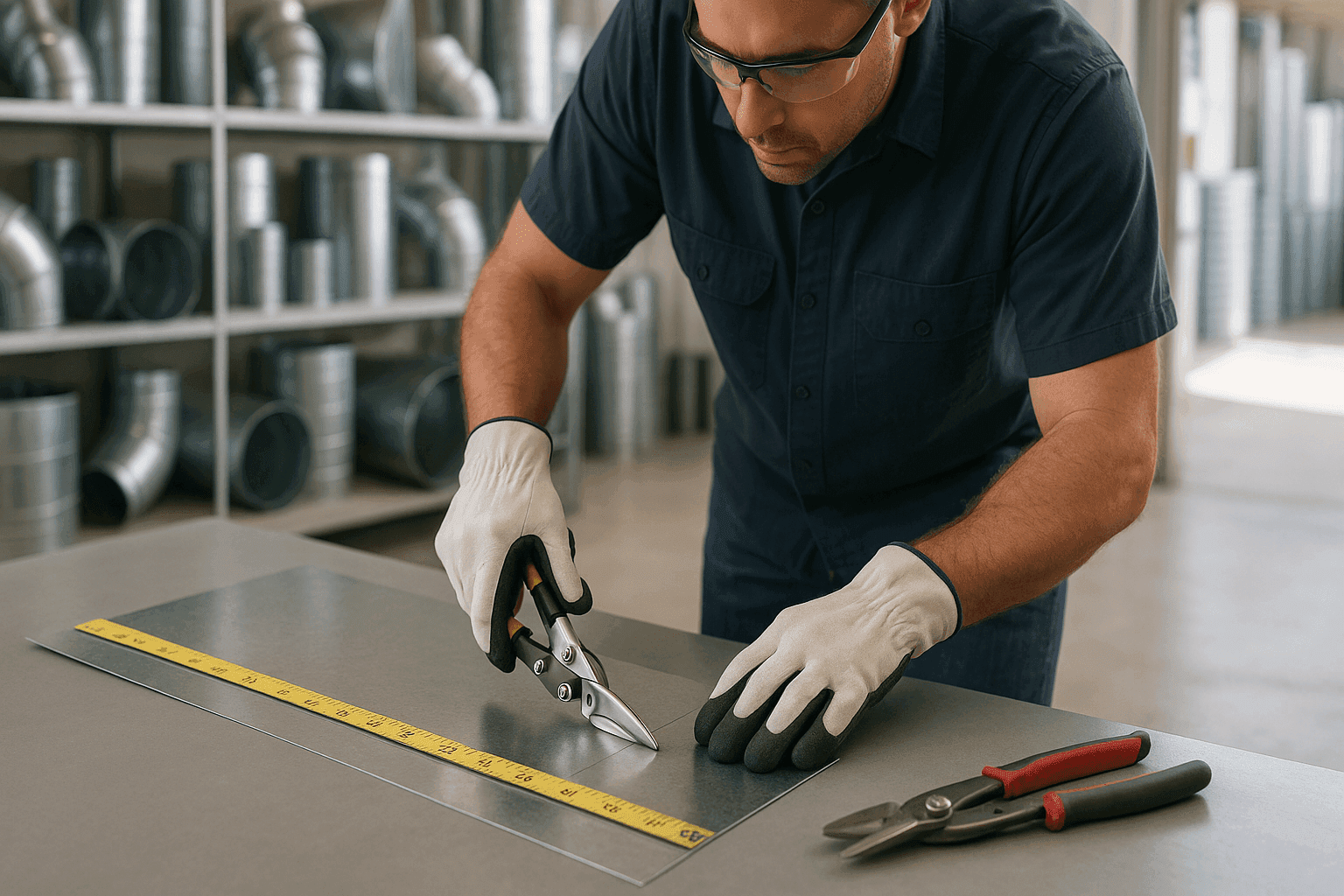
Think about your comfort on a freezing January night or a humid day in midsummer. Behind the scenes, your HVAC system is working hard—moving air, keeping temperatures steady, cleaning the air you breathe. But there’s a silent hero running through your walls, ceilings, and crawlspaces: sheet metal.
If you’ve ever heard rattling vents or struggled with hot and cold spots, the quality of your sheet metal might be the culprit. At Holmes Heating & Air, we want you to understand why great ductwork doesn’t happen by accident—and how it can make all the difference in your home or business.
Why Quality Sheet Metal Matters
Picture your HVAC system as the heart and lungs of a building. Sheet metal is the bloodstream, carrying warm or cool air wherever it’s needed. But if those veins are leaking, pinched, or poorly built, comfort and efficiency both take a hit.
Sheet Metal’s Role in HVAC
- Ducts: High-quality, well-sealed ducts ensure air goes exactly where you want it—without leaks or energy waste.
- Plenums & Transitions: These connect your main HVAC components, blending airflow and minimizing turbulence.
- Custom Fittings: Every building is unique. Custom fabrication means your system fits perfectly, not just “well enough.”
When sheet metal is made with care, you get:
- Even temperatures in every room
- Quieter operation—no more banging or whistling
- Better air quality (less dust, fewer pollutants)
- Lower utility bills thanks to reduced energy loss
Poor-quality ductwork, on the other hand, is like using a leaky garden hose when you’re trying to fill a pool. It’s a losing battle.
The Fabrication Process: Why Custom Work Counts 🛠️
Cookie-cutter solutions don’t cut it for HVAC. At Holmes Heating & Air, our in-house fabrication sets us apart.
What Goes Into Custom Sheet Metal
- Measurements & Planning: We assess your building, taking precise measurements for every run of duct. No guesswork.
- Material Selection: We use galvanized steel or aluminum for longevity and code compliance (as outlined by the Sheet Metal and Air Conditioning Contractors’ National Association—SMACNA).
- Cutting & Shaping: Craftsmen bend, cut, and assemble pieces for a perfect fit.
- Sealing & Finishing: Joints are sealed and insulated to prevent air leaks and condensation.
Custom sheet metal isn’t just about looks—it’s about performance and peace of mind. Each bend and seam is designed to last for decades.
Signs of Poor Ductwork: What to Watch For 👀
Think you might have an issue? Here are the red flags:
- Hot or Cold Spots: Inconsistent temperatures from room to room.
- High Energy Bills: More energy lost means more money spent.
- Dusty or Musty Smells: Leaky ducts can draw in dust, attic insulation, or even mold.
- Noisy Operation: Rattling, whistling, or banging noises.
- Visible Gaps or Rust: Check accessible ductwork for holes or corrosion.
If you notice any of these, it’s time to consider an inspection or upgrade. Poor ductwork can even put extra strain on your HVAC equipment, shortening its life.
Upgrades and Repairs: When to Act
Not all problems require a full replacement. Sometimes, smart repairs or targeted upgrades do the trick.
Common Sheet Metal Solutions
- Sealing Leaky Joints: Using mastic or metal tape, not duct tape.
- Replacing Rusted Sections: Swapping out corroded or crushed ductwork.
- Adding Insulation: Reduces condensation and keeps air at the right temperature.
- Custom Transitions: Improving airflow between old and new systems.
A skilled team can spot weak points and fix them before they become major headaches. Upgrading can also prepare your home for add-ons like Mini-Splits near you or improved hvac installation.
How Quality Sheet Metal Impacts Comfort, Efficiency, and System Life
It’s not just about moving air. It’s about creating a space where you can breathe easy, stay comfortable, and save money over the long haul.
- Comfort: Air reaches every corner, not just the rooms closest to your system.
- Efficiency: Less wasted energy means lower bills and a greener footprint.
- System Longevity: Proper airflow reduces wear and tear on your furnace, AC, or heat pump.
Well-made ductwork is an investment that pays off with every season.
In-House Fabrication: The Holmes Heating & Air Difference
Why does it matter if your HVAC company fabricates ductwork in-house? Simple: control and craftsmanship.
- Skilled Craftsmen: Our technicians have years of hands-on experience. They know how to spot problems before they start.
- Material Quality: We never cut corners. All materials meet or exceed code requirements from groups like SMACNA and ASHRAE.
- Customization: Your system is built for your building—not a generic template.
- Quick Turnaround: In-house work means fewer delays and better communication throughout your project.
Want to see our work up close? Check out Sheet Metal in Mandan, North Dakota.
Practical Tips for Home and Business Owners
- Schedule regular duct cleaning to keep airflow unobstructed.
- If you’re planning a remodel or addition, ask about a duct assessment.
- Change filters regularly to reduce dust buildup.
- Listen for new noises in your system—early detection saves money.
- Consider a home energy audit to pinpoint hidden duct losses.
Sheet Metal FAQs
How long should sheet metal ductwork last?
Properly installed and maintained, quality ductwork can last 20–30 years or more.
Can bad ductwork affect indoor air quality?
Absolutely. Leaky or dirty ducts can circulate allergens, dust, and mold throughout your space.
What codes or standards should ductwork meet?
Duct systems should comply with SMACNA fabrication standards and local building codes. This ensures safety, efficiency, and longevity.
Is custom sheet metal worth the cost?
Yes. Custom fabrication reduces air leaks, improves comfort, and usually pays for itself in energy savings and longer system life.
Local and Seasonal Considerations
Northern winters can be harsh. That means your ductwork needs to handle both extreme cold and dry indoor air. In summer, high humidity can lead to condensation problems if ducts aren’t sealed and insulated properly.
Regular maintenance and seasonal check-ups—especially before heavy heating or cooling use—keep your system running strong year-round.
Ready to Upgrade Your Comfort and Efficiency?
Quality sheet metal is the backbone of every great HVAC system. Whether you’re building new, upgrading an older home, or just want peace of mind, Holmes Heating & Air is here to help.
Call Holmes Heating & Air now — or reach us anytime at 888-835-0228 .