The Complete Guide to Air Balancing for Even Comfort
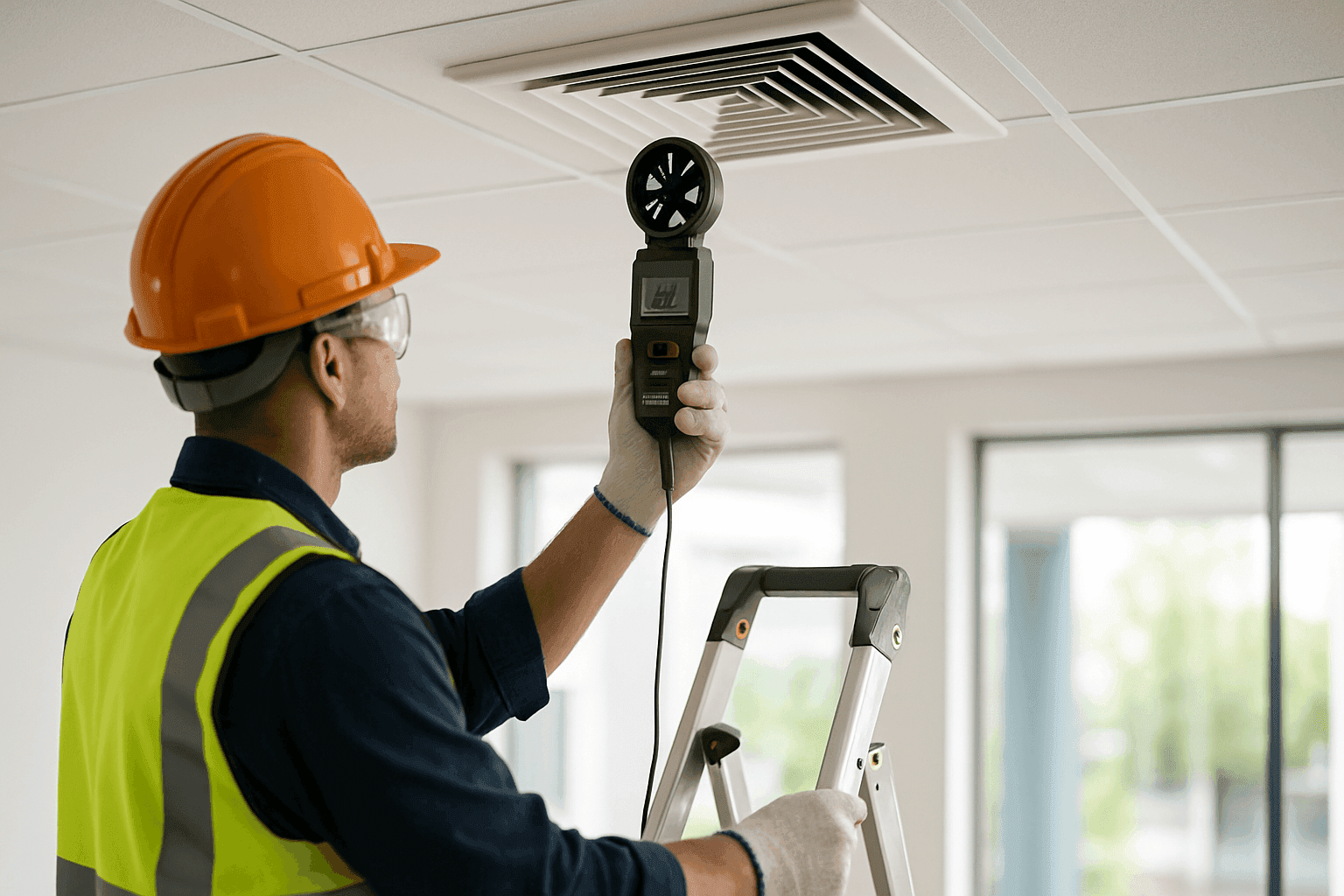
Is your living room always chilly while the bedroom feels like a sauna? Maybe the office is stuffy, or some spaces never seem to cool down—no matter how long the AC runs. Uneven temperatures can turn your home or business into a game of musical chairs.
Here at Holmes Heating & Air, we’ve seen it all. From drafty old houses to modern offices, airflow problems can sneak up on anyone. But there’s good news: you don’t have to just live with it.
What is Air Balancing and Why Does It Matter?
Think of your HVAC system like your body’s circulatory system. For every room to feel just right, air has to move through the "veins"—your ducts—smoothly and evenly. That’s air balancing. When it’s off, comfort suffers, your energy bills climb, and your equipment works way too hard.
Perfect air balancing means every vent delivers the right amount of cool or warm air. Simple in theory, but tricky in practice. That’s where certified professionals step in, using specialized tools to measure, adjust, and document results.
Common Airflow Issues 🏠
Uneven comfort rarely happens by accident. Here are the culprits we see most with both residential and commercial clients:
- Leaky or blocked ducts: Dust, debris, or even critters can clog things up (see our duct-cleaning service).
- Poorly sized or dirty filters: Restricting airflow is like putting a pillow over your mouth—never good.
- Badly placed or unbalanced vents: Sometimes vents are hidden behind furniture or walls, disrupting the flow.
- Aging HVAC equipment: Wear and tear throws the whole system off balance.
- Improper system design: If your HVAC wasn't sized for your space, no amount of tinkering will fix it.
Symptoms to watch for:
- Hot and cold spots
- Weak airflow from some registers
- High humidity or musty smells
- Noisy vents or whistling sounds
If this sounds familiar, air balancing might be the missing piece.
How Air Balancing Works
Air balancing isn’t magic—it’s measurement and adjustment. Here’s the process:
- Assessment: A certified technician uses tools like anemometers, manometers, and flow hoods to record airflow at each vent.
- Analysis: They compare readings to recommended standards (ASHRAE offers guidelines for both residential and commercial spaces).
- Adjustment: Dampers in ducts are tweaked, vents repositioned, and sometimes ductwork is cleaned or repaired.
- Verification: After adjustments, airflow is measured again to confirm improvement.
- Documentation: Results are recorded and shared, so you know exactly what changed.
This approach ensures your HVAC system isn’t just running—it’s running right.
Residential vs. Commercial Applications
Air balancing isn’t just for big offices or new homes. Here’s how it plays out on each side:
Residential
- Common issues: Hot upstairs, cold basement, stuffy bedrooms.
- Benefits: Even comfort, lower energy bills, healthier air.
- Considerations: DIY fixes are limited—professional balancing is usually needed for lasting results.
Commercial
- Common issues: Overheated conference rooms, drafts in open-plan offices, unhappy employees or customers.
- Benefits: Consistent temperatures, better productivity, protection for sensitive equipment.
- Considerations: Larger systems mean more complexity and a greater need for certified balancing.
If you’re searching for Air Balancing near me in Florence, Holmes Heating & Air is ready to help—whether you’re at home or work.
Professional vs. DIY: What’s Really Possible?
Some airflow fixes are simple. Many aren’t. Here’s what you can try yourself, and what should be left to the pros.
What You Can Do
- Check and replace filters regularly.
- Keep vents clear: Move furniture and rugs that block registers.
- Open and close vents as needed: But don’t close too many; this can stress your system.
- Inspect visible ducts: Look for obvious leaks or disconnections.
What Needs a Pro
- Measuring airflow: Requires specialized tools and training.
- Adjusting dampers inside ducts
- Diagnosing system design flaws
- Fixing leaks inside walls, floors, or ceilings
Certified professionals use calibrated instruments, follow industry standards, and provide documented results. For true air balancing, it’s worth making the call.
Common Airflow Issues: A Closer Look
Let’s break down the problems that throw your system out of balance:
- Dirty or blocked ducts: Dust, debris, and even mold can build up, choking airflow. Regular duct-cleaning can help.
- Worn-out parts: Blower motors, dampers, or fans don’t last forever. Without hvac-maintenance, small issues grow.
- Improperly installed additions: Added rooms, new vents, or renovations can tip the balance if not done right.
Ignoring these issues is like ignoring a slow leak in your roof—not a big deal, until it is.
Quick Safety Checklist 🛠️
Before attempting any DIY steps, keep these safety basics in mind:
- Turn off power to your HVAC system before inspecting ducts or vents.
- Wear gloves and a mask when checking or cleaning ducts.
- Never block return vents—these are as important as supply vents.
- If you smell burning, see sparks, or hear strange noises, stop and call a professional right away.
- Follow any manufacturer instructions and recommended filter types.
Refer to the U.S. Department of Energy and local building codes for additional safety best practices.
What Pros Do on Arrival
When you call Holmes Heating & Air for air balancing, here’s what to expect:
- Listen: We start by asking about your comfort concerns. Where do you feel hot or cold spots?
- Inspect: Next, we check filters, vents, and visually inspect ducts.
- Measure: Using digital anemometers and flow hoods, we measure the airflow at each vent.
- Adjust: We tweak dampers, recommend duct cleaning, or suggest system upgrades if needed.
- Verify and document: We re-measure and record the results so you see the difference.
Certified balancing means you get accurate numbers and documented results—not just a guess.
Prevention & Maintenance
Keeping your system in balance isn’t a one-time fix. Here’s how to stay ahead:
- Replace filters every 1–3 months, depending on usage.
- Schedule regular hvac-maintenance—catch problems before they spread.
- Keep vents clear and periodically check for dust buildup.
- Have your ducts cleaned every few years or after major renovations.
- Ask for an airflow check during annual service calls.
A little maintenance now saves a lot of headache later.
Costs & Time Factors
Every building is different, so costs and timelines vary. Here’s what affects the process:
- Size of your home or business
- Age and condition of your HVAC system
- Whether duct cleaning or repairs are needed
- Complexity of the problem (simple adjustment vs. major redesign)
Most residential air balancing jobs take a few hours. Commercial jobs may take a day or more, especially in larger buildings.
Remember: investing in proper air balancing can lower your energy bills and extend the life of your system.
When It’s an Emergency
Some airflow issues can’t wait:
- Sudden loss of airflow: AC or heat stops in the middle of a heatwave or cold snap.
- Burning smells or loud noises: May signal electrical or mechanical failure.
- Dramatic temperature swings: Could point to a major system malfunction.
Holmes Heating & Air offers 24 hour emergency service. If it’s urgent, don’t wait—call us right away.
FAQ
How often should I have air balancing done?
Most homes and businesses benefit from a professional check every 3–5 years, or after renovations.
Can air balancing fix humidity problems?
Often, yes. Proper airflow helps control humidity. Sometimes, a dehumidifier or humidifier is also needed.
Is air balancing worth it if I’m already getting HVAC maintenance?
Absolutely. Regular maintenance keeps your system running, while balancing ensures it runs right.
Will I need new equipment?
Not always. Many issues can be solved with adjustments or duct cleaning. If your system is old or poorly designed, upgrades may help.
Local & Seasonal Considerations 🌦️
Florence and the surrounding areas see dramatic seasonal swings. Summer humidity and winter cold both put your HVAC system to the test. Dust and pollen levels can also spike, especially in spring and fall, making regular duct and filter maintenance even more important.
If you’re searching for “Mini-Splits near you,” keep in mind that air balancing isn’t just for central systems. Ductless systems also need proper placement and setup for even comfort.
No matter the season, Holmes Heating & Air is here to help you feel comfortable—everywhere in your home or business.
Ready to say goodbye to hot and cold spots for good? Call Holmes Heating & Air now — or reach us anytime at 888-835-0228 .