The Complete Guide to Heating Tune-Ups: What’s Included & Why It Matters
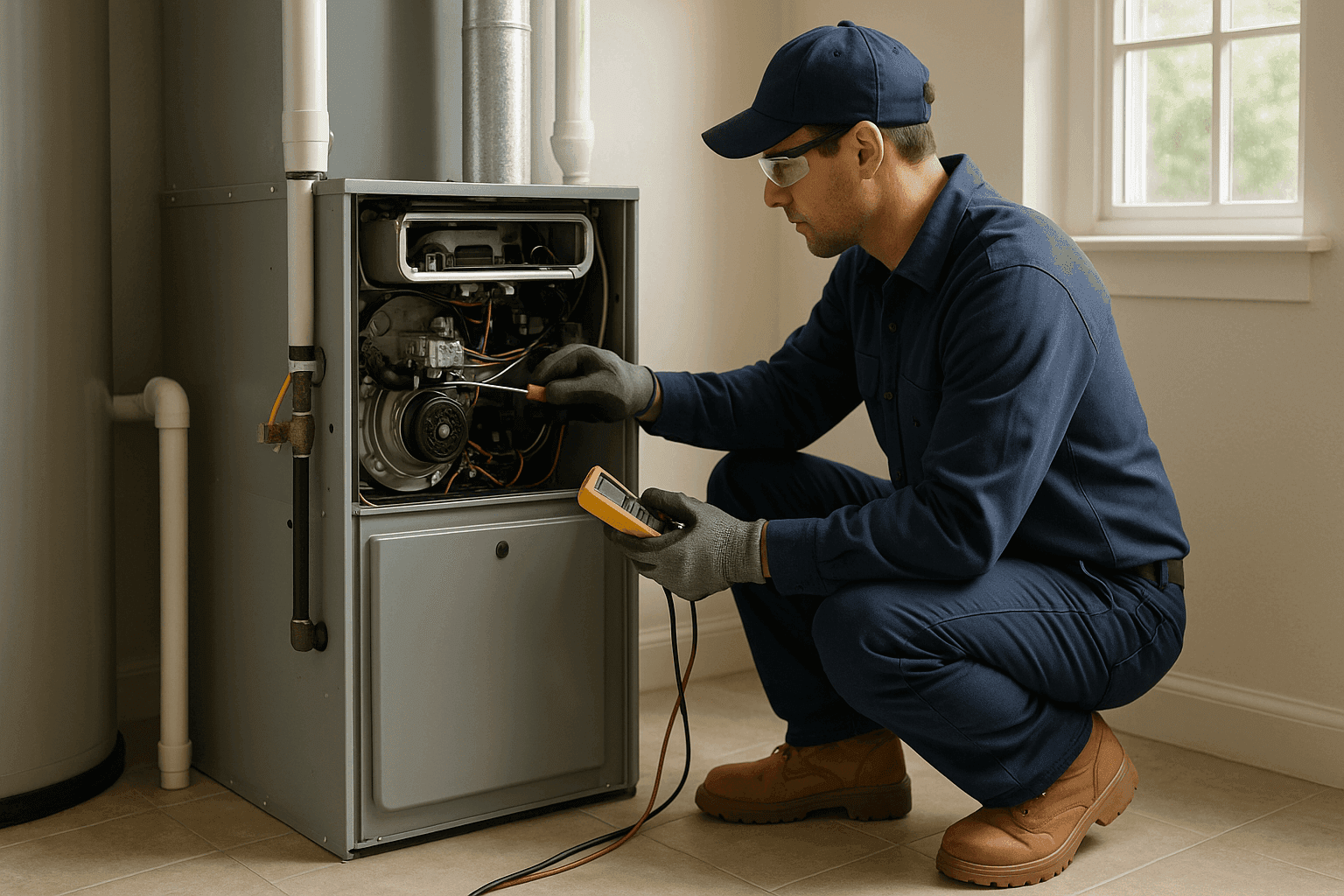
When the temperature drops, your heating system becomes the unsung hero of your home or business. But like any hero, it needs the right support to stay reliable. Imagine your heater as the heart of your comfort—quietly working, but only if it’s given the attention it deserves.
At Holmes Heating & Air, we know that regular tune-ups aren’t just a box to check. They’re your insurance against cold nights, high bills, and unexpected breakdowns. Here’s what you need to know about heating tune-ups—and why they truly matter.
What Happens During a Heating Tune-Up?
A heating tune-up is more than a quick look under the hood. It’s a thorough process. Think of it like a well-orchestrated pit stop for your HVAC system. Every step keeps your system running smoothly when you need it most.
Heating Tune-Up Checklist 🛠️
A professional tune-up from Holmes Heating & Air includes:
- Inspection:
- We check burners, heat exchangers, blower motors, and wiring for wear or damage.
- Inspect for carbon monoxide leaks and improper venting.
- Cleaning:
- Remove dust, soot, and debris from burners, fans, and other components.
- Change or clean air filters (filters) for healthy airflow.
- Safety Checks:
- Confirm gas connections are tight.
- Test safety shut-off switches and flame sensors.
- Inspect for any fire hazards in and around the unit.
- Calibration:
- Set thermostat accuracy and test system controls.
- Adjust pilot lights, ignition, and fuel pressure as needed.
- Efficiency Testing:
- Measure airflow and temperature rise.
- Lubricate moving parts and check for unusual noises or vibrations.
Each step follows guidelines from sources like the International Residential Code (IRC) and manufacturer recommendations. No corners cut.
Why Regular Heating Tune-Ups Matter
Skipping a tune-up is like skipping oil changes in your car. You might get away with it for a while. But hidden issues can pile up—and the cost of ignoring them can be much higher than a simple maintenance visit.
Benefits of Regular Heating Tune-Ups
- Improved Efficiency: A clean, calibrated system doesn’t have to work as hard—meaning lower energy bills.
- Longer Lifespan: Dirt, dust, and faulty parts can wear out your system early. Regular checkups help equipment last longer.
- Fewer Breakdowns: Catching problems early means fewer emergencies and less downtime.
- Better Indoor Air Quality: Clean filters and ducts mean you’re not breathing in dust or mold.
- Safety: Carbon monoxide leaks and faulty wiring are dangerous. Regular safety checks help keep your family, tenants, or staff safe.
- Warranty Protection: Many manufacturers require proof of annual maintenance to honor warranties.
Don’t just take our word for it. The U.S. Department of Energy recommends annual HVAC maintenance for the best performance and safety.
Signs It’s Time for a Tune-Up
How do you know your heater is overdue for some TLC? Watch for these red flags:
- Uneven heating or cold spots in your home or business.
- Strange noises—banging, squealing, or rattling—from your furnace or vents.
- Rising energy bills without any obvious reason.
- Poor air quality: more dust, odd smells, or allergy flare-ups.
- System runs continuously or struggles to reach the set temperature.
- Yellow burner flames instead of steady blue (can indicate combustion problems).
If you notice any of these, don’t wait. Problems rarely fix themselves.
Safety First: Quick Checklist Before You Start
Before you or anyone else touches your heating system, remember:
- Shut off power to the unit at the breaker and main switch.
- If working with gas, close the gas valve.
- Allow hot components to cool down first.
- Never bypass safety switches or sensors.
- If you smell gas or suspect a carbon monoxide leak, leave the area and call for help.
When in doubt, leave it to the pros. Safety isn’t something to gamble with.
DIY vs. Calling a Pro
There are a few things homeowners can tackle themselves:
- Change or clean air filters every 1–3 months.
- Keep vents and registers clear of dust and obstructions.
- Check thermostat batteries and settings.
But for the rest—like opening panels, inspecting burners, or testing gas connections—bring in a certified HVAC technician. Heating systems are complex. One wrong move can turn a minor issue into a big repair bill, or worse, a safety risk.
What Pros Do When They Arrive
Here’s what to expect when a Holmes Heating & Air technician arrives for your heating-maintenance appointment:
- Initial Assessment: We listen to your concerns, check the unit’s age and history, and ask about any recent issues.
- Full-System Inspection: Following a detailed checklist, we examine every component for wear, damage, or hidden problems.
- Professional Cleaning: We remove buildup from burners, blowers, and heat exchangers—places most people can’t reach.
- Safety Testing: We test for gas leaks, carbon monoxide, and ensure all safety devices are working.
- System Calibration: Thermostats, controls, and ignitors are tested and adjusted for accuracy.
- Performance Testing: We run the system and measure efficiency, airflow, and temperature output.
- Report & Recommendations: You’ll get a summary of what we found and what (if anything) needs attention.
Our technicians are certified and trained to the latest standards. You’re in good hands.
Prevention & Ongoing Maintenance
Heating tune-ups are just one part of caring for your HVAC system. Here are some tips to keep things running smoothly between visits:
- Change air filters regularly. Clogged filters strain your system and hurt air quality.
- Schedule annual furnace-repair checks, especially before heating season.
- Keep outdoor units (for heat pumps or Mini-Splits near you) free of leaves and debris.
- Don’t ignore small problems. Odd smells or sounds usually mean something needs attention.
And if you want peace of mind year-round, ask about our maintenance plans. They’re designed to keep your heating and cooling systems in top shape—and help catch problems before they turn into emergencies.
Costs & Time Factors
How long does a heating tune-up take? For most homes and small businesses, plan on 60 to 90 minutes. Larger commercial systems may take longer.
Costs vary based on system type, age, and any issues found. But remember: the small investment in a tune-up is far less than the price of a major repair or replacement. Plus, improved efficiency means lower energy bills all season.
When It’s an Emergency
Sometimes, waiting isn’t an option. If you experience:
- No heat during freezing temperatures
- Gas odors or suspected carbon monoxide leaks
- Electrical burning smells or visible sparks
- Water leaks from your furnace or boiler
Call for 24-hour emergency service immediately. Safety comes first.
FAQ: Heating Tune-Ups
How often do I need a tune-up?
Once a year is best, ideally before the heating season starts.
Will a tune-up void my warranty?
No—regular maintenance is usually required to keep most manufacturer warranties valid.
Can a tune-up fix my old furnace?
It can help, but if your system is over 15–20 years old, repairs may not be cost-effective. We’ll give you honest advice about next steps.
Is indoor air quality connected to heating maintenance?
Absolutely. Dirty systems and clogged filters can worsen allergies and asthma. Regular maintenance boosts the air you breathe.
Local & Seasonal Considerations
In our region, winter can sneak up fast. Schedule your tune-up in early fall for the best timing. Not near us? Search for “Heating Maintenance near Carlsbad” or “Heating Maintenance near Carlsbad” to find trusted service in your area.
If you use a heat pump, radiant heating, or even a backup generator, Holmes Heating & Air has you covered. We service all brands and types, commercial or residential.
Ready for a warmer, safer season? Don’t wait for the first cold snap to find out your heater needs help.
Call Holmes Heating & Air now — or reach us anytime at 888-835-0228 .