The Essential Guide to HVAC Safety for Homeowners & Businesses
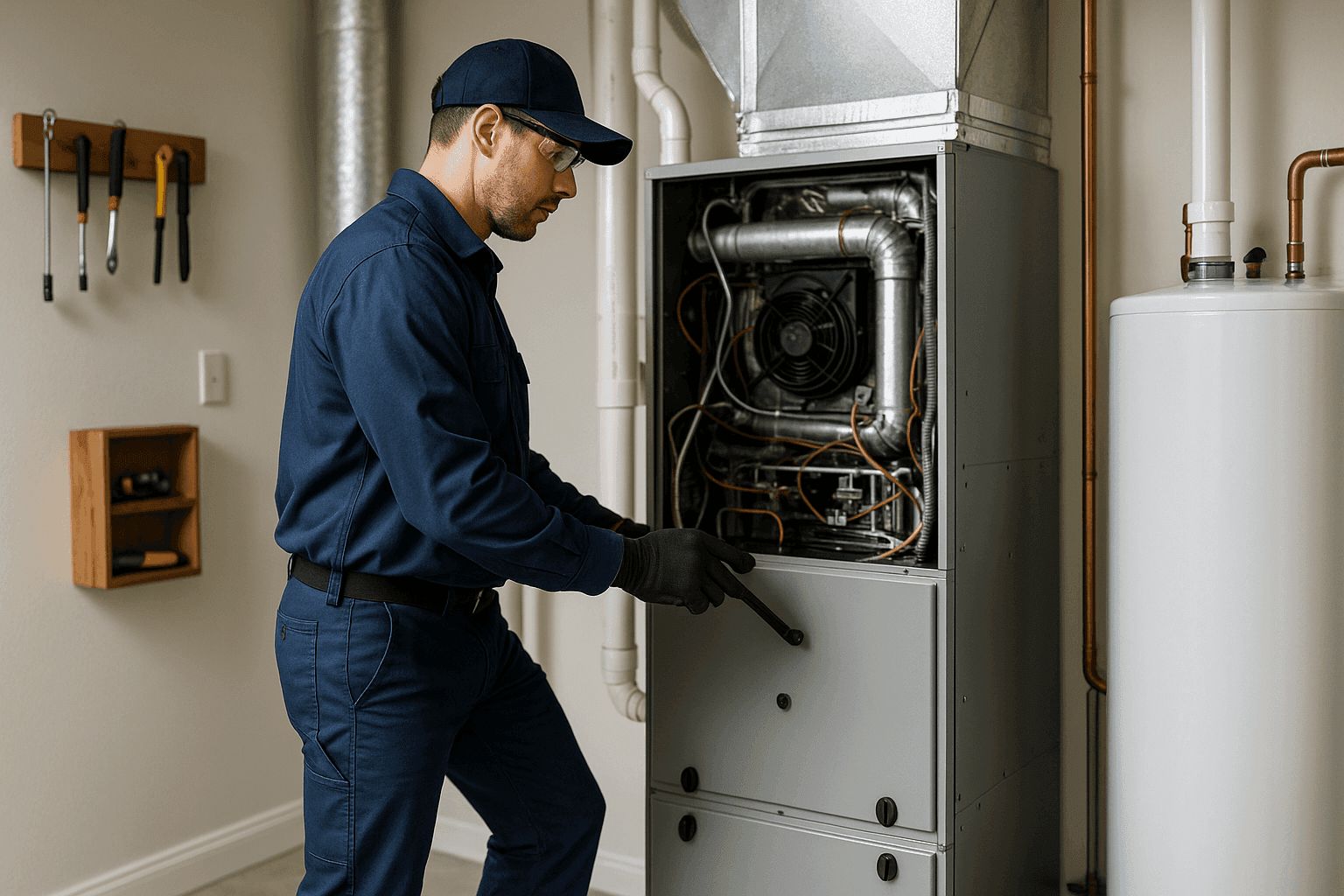
Is your HVAC system as safe as it should be? Too often, safety slips through the cracks—until something goes wrong. At Holmes Heating & Air, we help homeowners and businesses keep comfort and safety running side by side. Your furnace, AC, or air quality device is like the heart and lungs of your building. When it’s not protected, everyone inside is at risk.
Let’s break down the real dangers, share practical steps, and show you how to keep every occupant safe—season after season.
Top HVAC Safety Hazards 🛑
Every HVAC system has built-in risks. Like a car engine left unchecked, small problems can grow fast. Here are the main hazards to watch for in homes and businesses:
Electrical Hazards
- Loose wiring: Frayed or exposed wires can trigger shorts or even fires.
- Overloaded circuits: Too many devices on one circuit can overheat, flip breakers, or spark.
- Improper grounding: A system that isn’t grounded is a shock risk.
Gas and Combustion Risks
- Gas leaks: Natural gas or propane leaks are silent, odorless, and potentially explosive.
- Backdrafting: Poor ventilation can send carbon monoxide (CO) back into living spaces.
Carbon Monoxide (CO) Poisoning
- Silent threat: CO is colorless and odorless. Even small leaks can be deadly.
- Blocked chimneys or vents: Obstructed exhaust can push dangerous gases indoors.
Fire Hazards
- Clogged filters: Dust and debris in filters or ducts are like tinder in a fireplace.
- Overheating units: Blocked airflow or faulty parts can cause units to overheat and catch fire.
Authoritative reference: The U.S. Consumer Product Safety Commission (CPSC) and National Fire Protection Association (NFPA) both recommend annual HVAC inspections to reduce these risks.
DIY HVAC Safety Checklist
Here’s a quick routine to help you spot trouble before it strikes:
- Change or clean filters regularly. Dirty filters choke airflow and fuel overheating.
- Check for strange odors—especially gas or burning smells.
- Listen for unusual noises: banging, buzzing, or grinding.
- Make sure outdoor units are clear of leaves, dust, or debris.
- Keep all vents and registers open and unobstructed.
- Test carbon monoxide and smoke alarms monthly.
- Visually inspect cords and wiring for damage.
- Don’t store flammable materials near your furnace or water heater.
If you’re ever unsure, step away and call a pro. Your safety comes first.
Emergency Procedures: What To Do When Something Goes Wrong
Emergencies can strike without warning. Here’s how to react:
If you smell gas:
- Leave the building immediately.
- Don’t turn switches on or off. Don’t use your phone inside.
- Call your gas company and 911 from a safe distance.
If your carbon monoxide alarm sounds:
- Evacuate everyone.
- Get to fresh air.
- Call emergency services.
If you see fire or sparks:
- Shut off power at the breaker if safe to do so.
- Evacuate and call 911.
If HVAC stops in extreme weather:
- Use backup heating or cooling only if safe and rated for indoor use.
- Seek shelter elsewhere if conditions are dangerous.
Pro tip: Have emergency numbers posted and make sure everyone knows where your breaker box and gas shutoff are located.
When To Call a Professional
HVAC is not a DIY playground. Here’s when to pick up the phone:
- Any electrical issue—flickering lights, tripped breakers, or shocks.
- Gas leaks, even if you’re not sure.
- Persistent strange smells or noises.
- Carbon monoxide alarms, no matter what.
- If your system won’t start or keeps shutting down.
Professional technicians—like the certified, insured team at Holmes Heating & Air—undergo regular safety training and use specialized equipment to diagnose and repair safely.
Curious about our process? See HVAC Maintenance in Katy for local service details.
What Professionals Do On Arrival
When a Holmes Heating & Air technician shows up, here’s what you can expect:
- Visual inspection: Checking for obvious damage, leaks, or code violations.
- Testing: Using meters to check gas and electrical safety.
- CO and gas monitoring: Ensuring there’s no hidden danger.
- System calibration: Making sure everything runs within safe specs.
- Documentation: Sharing what was found and what steps were taken.
We never cut corners. Our technicians are licensed, insured, and up-to-date on all major safety codes—including OSHA and EPA guidelines.
Prevention & Maintenance: Building Safe Habits
A safe HVAC system is a maintained HVAC system. Here’s how to keep yours running smoothly:
- Schedule professional inspections at least once a year. Twice if you run both heating and cooling full-time.
- Change filters every 1–3 months. More often if you have pets or allergies.
- Keep outdoor units clear of foliage and debris.
- Have your ducts cleaned regularly for better airflow and air quality.
- Ask about air scrubbers or IAQ testing to spot hidden pollutants.
- For businesses, consider quarterly filters and hvac-repair service contracts to stay ahead of trouble.
Costs & Time Factors
Safety doesn’t have to break the bank. Most residential maintenance visits take 1–2 hours. Commercial systems may take longer, especially for large buildings or specialty systems like Mini-Splits near you.
- Filter changes: 10–30 minutes.
- Annual inspection: 1–2 hours.
- Emergency repairs: Varies by severity and system type.
Investing a little time now can save thousands in repairs—or worse, lost productivity or health emergencies—down the road.
When It’s an Emergency
Not all problems can wait until morning. Holmes Heating & Air offers 24-hour emergency service for:
- Loss of heat or cooling in extreme weather.
- Suspected gas or CO leaks.
- Electrical shorts or burning smells.
- Flooding or water damage near HVAC units.
If you’re unsure, err on the side of caution. Call immediately. Your safety is more important than convenience.
FAQ: Common HVAC Safety Questions
How often should my HVAC system be inspected?
At least once a year. More often for older systems, complex ductwork, or high-use homes and businesses.
What’s the best way to prevent carbon monoxide leaks?
Annual professional inspections, working detectors, and keeping vents clear.
Are smart thermostats safer?
They can help by alerting you to system failures or temperature extremes, but they don’t replace regular maintenance.
Is duct cleaning really necessary?
For air quality and fire prevention, yes. Especially if you notice dust buildup, allergies, or musty smells.
Local & Seasonal Considerations
HVAC safety isn’t one-size-fits-all. In humid summers, clogged filters or neglected AC maintenance can lead to mold growth and poor air quality. In winter, backup heat sources like portable heaters can create new fire risks. Businesses with commercial kitchens need regular hood & exhaust checks. And during storm season, generator maintenance can mean the difference between comfort and chaos.
Stay aware of your local climate and adjust your maintenance plan as needed. For questions about Mini-Splits near you or specialized solutions, Holmes Heating & Air is your partner in safety.
A well-maintained HVAC system isn’t just about comfort—it’s about peace of mind for every person under your roof or in your care. Keeping your system safe is easy when you follow smart habits, stay alert, and know when to call for help.
Call Holmes Heating & Air now — or reach us anytime at 888-835-0228 .