The Hidden Dangers of Neglected Ductwork
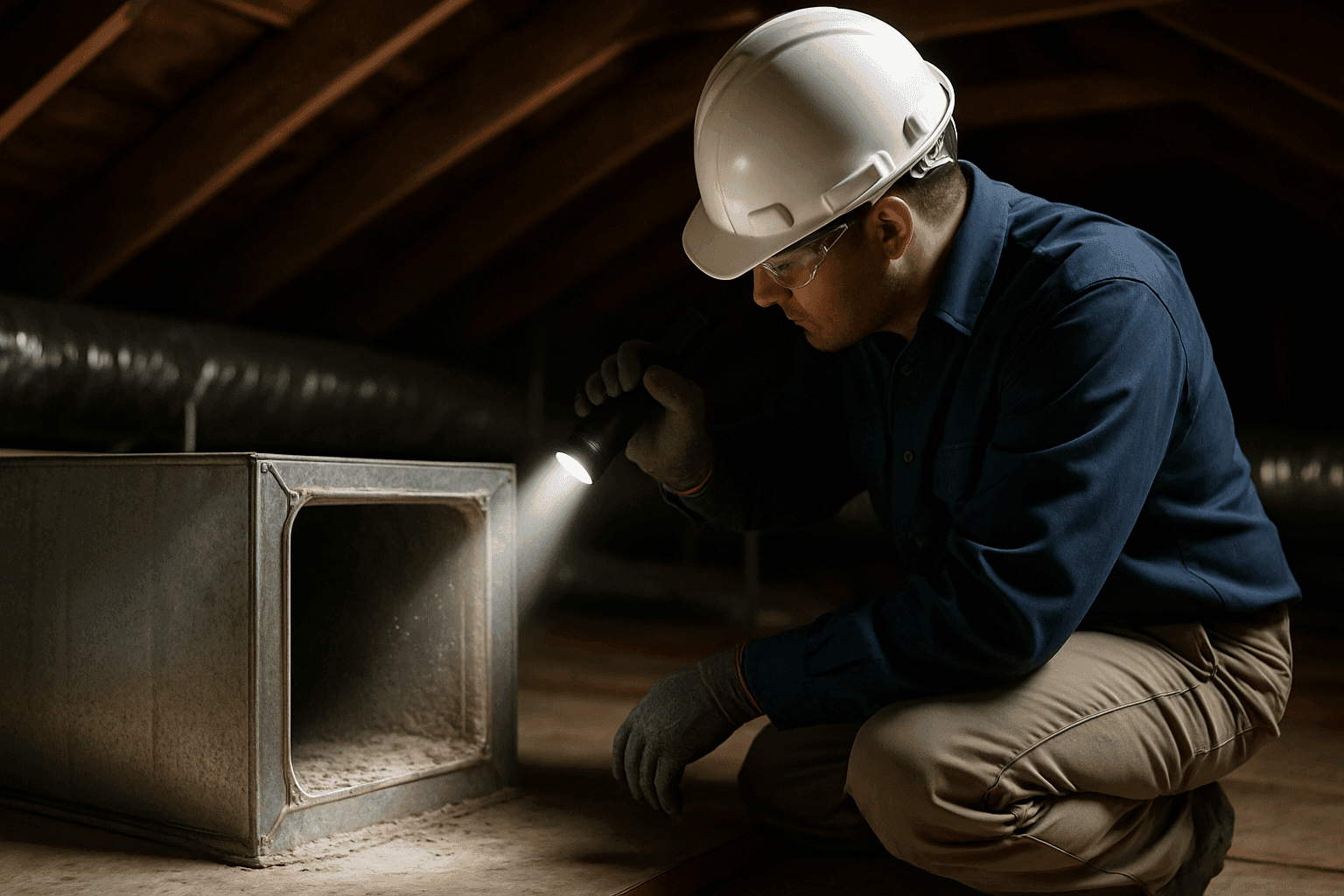
Neglected ductwork is a silent danger hiding in plain sight. Most people rarely think about the maze of metal and flex that snakes through their homes or businesses—until something goes wrong. But what you can't see can hurt you, sometimes in ways you wouldn't expect.
At Holmes Heating & Air, we see firsthand how dirty ducts can turn from a minor nuisance into a major threat. Protecting your air, your equipment, and your health is more than routine maintenance—it's a responsibility. Let's break down the real risks and how you can stay ahead.
Top Ductwork Hazards 🛑
Ducts are like the lungs of your building. When they're clogged, dirty, or full of surprises, everything suffers—comfort, safety, even your wallet.
Poor Indoor Air Quality
Dust, pollen, and pet dander build up fast. Over time, your HVAC system pushes these particles through your living or working space. The result? Sneezing fits, itchy eyes, headaches, and a constant feeling of stuffiness. According to the EPA, indoor air can be up to five times more polluted than outdoor air—often due to neglected ducts.
Mold and Allergens
Damp conditions or hidden leaks turn ducts into breeding grounds for mold. Mold spores hitch a ride on the airflow, triggering allergies and respiratory distress. For young kids, older adults, or anyone with asthma, this is more than an inconvenience—it's a health risk.
Pest Infestations
Rodents and insects love dark, dusty ducts. They chew through insulation, leave droppings, and carry bacteria. Some even die inside the ductwork, adding odor and potential pathogens to your air.
Fire Risk
Lint, dust, and debris are flammable. In rare cases, a spark from faulty wiring or an overheating motor can ignite this buildup. The National Fire Protection Association (NFPA) warns that dirty HVAC systems are a real fire hazard, especially in older buildings.
How to Spot Problems Early 👀
You don’t need X-ray vision to catch the warning signs. Just a little awareness goes a long way.
- Unusual odors: Moldy, musty, or burnt smells when the HVAC cycles on.
- Increased dust: Dust settling quickly after cleaning, or visible dust near vents.
- Odd noises: Scratching, squeaking, or rattling from inside walls or ceilings.
- Worsening allergies: People sneezing or coughing more when indoors.
- Hot/cold spots: Uneven temperatures between rooms.
- Visible mold: Black or green streaks around vent openings.
If you notice one or more of these, it’s time to act.
Prevention Strategies: Keep Ducts Clean and Safe
A little maintenance now beats a big problem later. Here’s how to keep your ductwork in top shape:
- Schedule regular duct cleaning: Most homes and businesses benefit from cleaning every 3-5 years, or sooner if you have pets, allergies, or recent renovations. See our duct cleaning service for more details.
- Change HVAC filters often: A clogged filter lets more dust settle inside ducts. Replace every 1-3 months, or as recommended. Learn more at filters.
- Control humidity: Mold loves moisture. Use dehumidifiers or fix leaks promptly.
- Seal and insulate: Properly sealed ducts prevent drafts and keep out pests.
- Upgrade for air quality: Consider adding air scrubbers or high-efficiency particulate air (HEPA) filters for extra protection. See our indoor air quality solutions.
Commercial vs. Residential Risks
Not all buildings are created equal—nor are their risks.
Residential
- Pet hair, dust, cooking grease, and seasonal pollen are the main culprits.
- Small children or elderly family members are more sensitive to poor IAQ.
- DIY fixes are tempting, but thorough ductwork cleaning requires pro equipment.
Commercial
- Higher occupancy and foot traffic mean more contaminants.
- Restaurants, gyms, and healthcare facilities face stricter code requirements.
- Neglected ducts can violate OSHA and local health codes, risking fines or closures.
- Pest infestations and fire hazards can escalate faster in larger systems.
Trustworthy Inspection and Certified Cleaning 🛠️
At Holmes Heating & Air, we're trained to spot the hidden dangers others miss. Our certified technicians use specialized cameras and tools to inspect every inch of your ductwork—not just the parts you can see.
We follow industry best practices and standards from organizations like the National Air Duct Cleaners Association (NADCA) and the EPA. You get a clear report, photos when needed, and honest advice about next steps.
Why Proactive Duct Care is Essential
Neglecting your ductwork is like ignoring the warning lights on your car’s dashboard. Problems rarely fix themselves. Being proactive means:
- Lower energy bills (clean ducts help your HVAC work efficiently)
- Fewer repairs and breakdowns
- Safer, healthier air for everyone inside
- Peace of mind for you
And if you’re searching for “Mini-Splits near you,” remember: even ductless systems need routine maintenance to avoid dust and mold buildup.
Local & Seasonal Considerations
Ductwork issues can spike after a dusty summer, during pollen-heavy spring, or right after a renovation. In Tooele, Utah, for example, dry air and dust storms can quickly clog systems. Duct Cleaning help in Tooele, Utah is always available when you need it.
Call to Action
Dirty ducts shouldn’t be an afterthought. Whether you’re a homeowner or a business manager, a little prevention can go a long way toward protecting your investment—and the people who rely on you.
Call Holmes Heating & Air now — or reach us anytime at 888-835-0228 .