The Ultimate Guide to Generator Installation for Home & Business
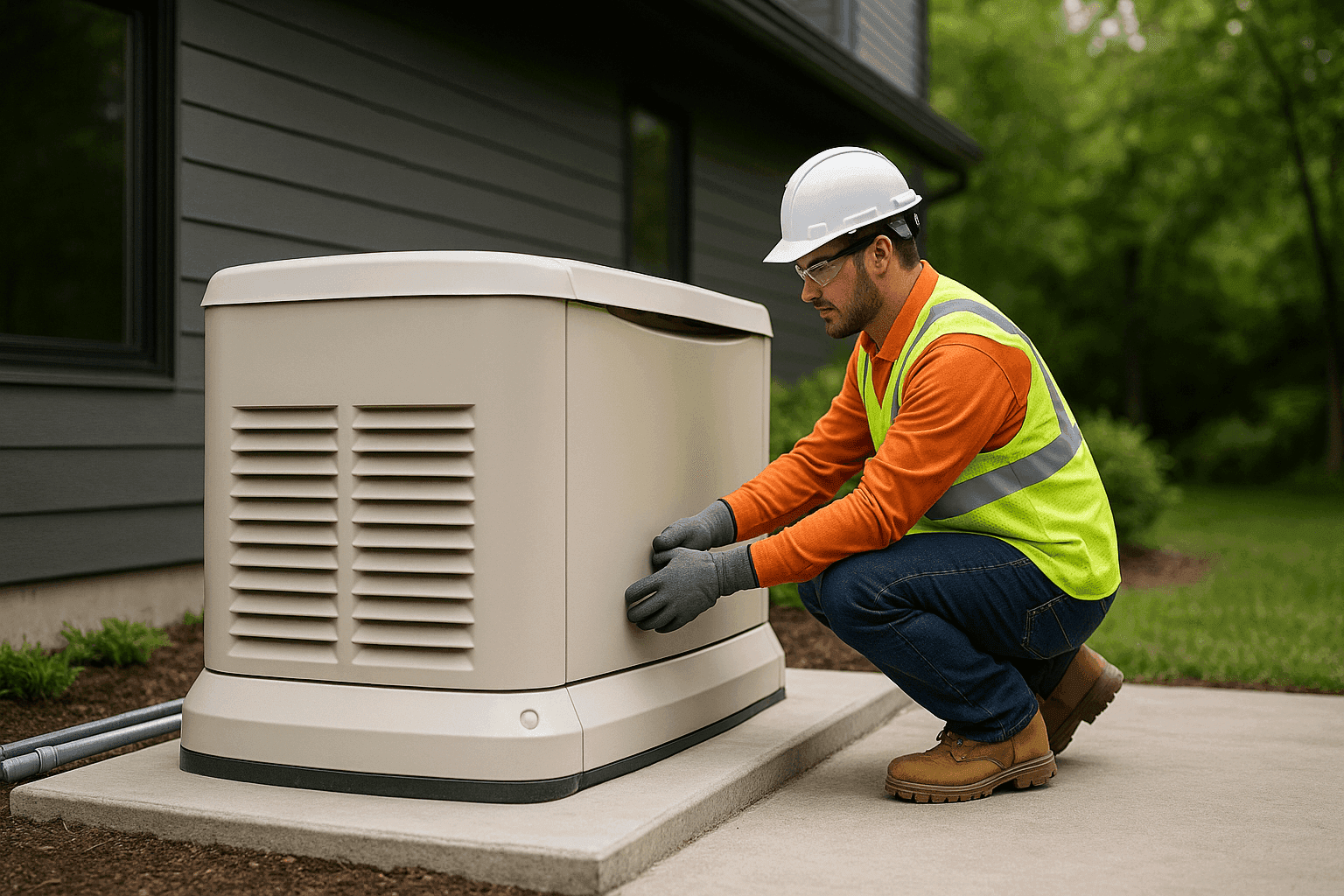
Unexpected power outages can feel like being stranded on a deserted island—dark, quiet, and a little unsettling. For homeowners and business owners alike, a backup generator isn’t just a luxury. It’s peace of mind, a lifeline to comfort and safety when the grid goes down.
At Holmes Heating & Air, we know the stakes are high. That’s why our licensed team brings deep experience in generator installation, maintenance, and full-spectrum HVAC solutions—serving both homes and businesses, day or night.
Generator Options: Finding Your Perfect Match ⚡
Generators come in more flavors than ice cream. But for most residential and commercial needs, two stand out: portable and standby.
- Portable Generators:
Like trusty camping gear, these are compact, mobile, and ideal for short-term or limited backup. They run on gasoline, propane, or diesel. Best for running a handful of essentials—think fridge, a few lights, or a sump pump. - Standby Generators:
The heavy lifters. These are permanently installed outside your property, wired directly to your electrical system. They can power your entire building and start automatically when the grid fails. Fueled by natural gas or propane, they’re reliable, quiet, and require less hands-on attention.
Which fits your needs?
- Homeowners: Standby units are great for whole-house coverage. Portable units suit cabins or small apartments.
- Businesses: Standby generators are the gold standard for keeping operations running—critical systems, servers, security, and HVAC.
Sizing Your Generator: No Guesswork Allowed
Matching generator size to your needs is like picking the right-sized shoes—too small, and you’re uncomfortable; too big, and you’re wasting money. Calculate your total wattage needs:
- List all appliances, HVAC, and equipment you want powered.
- Note each item’s starting and running wattage (check labels or manuals).
- Add up the highest-demand items.
- Add a buffer (typically 15–20%) for surge and future needs.
Still unsure? A licensed installer from Holmes Heating & Air can walk you through the math, ensuring you never get left in the dark.
Site Preparation: Laying the Groundwork
Before your generator arrives, you’ll need to pick the right spot:
- Flat, well-drained surface—concrete pads are best.
- Safe distance from doors, windows, and vents (per National Electrical Code and manufacturer specs).
- Clearance for maintenance and airflow.
- Access to fuel supply—natural gas, propane, or diesel.
Check local codes and HOA rules. Some cities require specific setbacks or noise limits. Don’t skip this step—violations can mean costly delays or fines.
Permitting & Compliance: Stay on the Right Side of the Law
Most standby generator installations require permits, inspections, and utility approvals. Your installer should handle:
- Electrical permits for wiring and transfer switches.
- Plumbing permits for gas lines.
- Utility notifications—some power companies require coordination.
- Final inspection by city or county officials.
Holmes Heating & Air’s team is licensed, insured, and up-to-speed on all applicable codes, so your installation is safe and fully compliant.
Installation Steps: What to Expect
Here’s how a typical generator installation unfolds:
1. Site Assessment & Planning
- Walkthrough of your property.
- Load calculation and sizing.
- Discussion of your priorities (critical circuits, whole-building, etc.).
2. Permitting and Scheduling
- Secure all required permits and file utility notifications.
- Schedule installation date—weather and utility timelines can affect this.
3. Base & Delivery
- Prepare and pour a concrete pad (if needed).
- Deliver generator and materials.
4. Electrical & Fuel Connections
- Install automatic transfer switch.
- Connect generator to main electrical panel.
- Run fuel lines (natural gas or propane).
- Test for leaks and secure all fittings.
5. System Testing & Start-Up
- Verify safe, code-compliant operation.
- Simulate a power outage to confirm transfer switch works.
- Walk you through controls, maintenance, and what to expect.
6. Final Inspection
- Local inspector checks all work.
- Approve and commission the system.
Safety and Compliance: Your Shield Against Risk 🛡️
Electricity and fuel are powerful allies—but they demand respect. Follow these essential safety guidelines:
- Always hire licensed installers.
DIY wiring or gas line work is risky and may void warranties or insurance. - Follow National Electrical Code (NEC) and manufacturer instructions.
- Install carbon monoxide detectors near any generator, and never run portable units indoors or in garages.
- Keep clearance—don’t block airflow, and never stack items against your generator.
- Regularly inspect fuel lines for leaks or corrosion.
Refer to sources like the National Fire Protection Association (NFPA 110) and your local building department for up-to-date safety requirements.
Testing and Maintenance: Keeping the Lights On
A generator is like a car—it needs regular care to stay reliable. Holmes Heating & Air offers generator maintenance tailored for both homes and businesses.
Routine tasks include:
- Monthly start-ups and self-tests.
- Annual oil, filter, and spark plug changes.
- Checking battery, fuel, and coolant levels.
- Inspecting for leaks, corrosion, or rodent damage.
- Confirming transfer switch functionality.
Don’t forget: Schedule professional service at least once a year, or more often for critical commercial systems.
Emergency Response: When Every Second Counts ⏱️
Storm hit? Power out in the dead of night? Holmes Heating & Air offers 24-hour emergency service to keep your home or business protected.
In an outage emergency:
- Stay calm and use flashlights, not candles.
- Don’t attempt DIY repairs on live electrical equipment.
- Call professionals for troubleshooting, fuel delivery, or urgent repairs.
We’re here around the clock—so you’re never left in the dark.
Frequently Asked Questions
How long does generator installation take?
Most home installations wrap up in one to two days, depending on complexity and weather. Commercial projects may take longer, especially if major electrical or gas upgrades are needed.
What size generator do I need?
It depends on what you want to power. A small home may need just 7-10 kW; large homes or businesses often require 20 kW or more. Get a load assessment from a pro—you’ll thank yourself later.
Can I install a generator myself?
Portable units can be set up by homeowners, but any permanent standby generator should be installed by licensed professionals. Electrical and fuel work is not DIY territory.
Do I need to maintain my generator even if I rarely use it?
Absolutely. Just like a car that sits idle, a generator can develop problems if left unchecked. Annual maintenance keeps it ready for action.
Local and Seasonal Considerations
Generators face different challenges depending on your climate and location. For example:
- Coastal areas: Salt air can corrode metal parts—more frequent inspections help.
- Cold climates: Use cold weather kits and ensure fuel doesn’t gel in winter.
- Hot/dusty regions: Clean air filters and cooling systems regularly.
Looking for Generator Installation near me in Broken Arrow? Holmes Heating & Air understands the unique demands of your area, from extreme seasons to local code quirks.
Don’t wait for the next blackout to find out you’re unprepared. Holmes Heating & Air is ready to help you plan, install, and maintain a generator solution that fits your needs—home or business, day or night.
Call Holmes Heating & Air now — or reach us anytime at 888-835-0228 .