The Ultimate Guide to Indoor Air Quality for Healthier Living
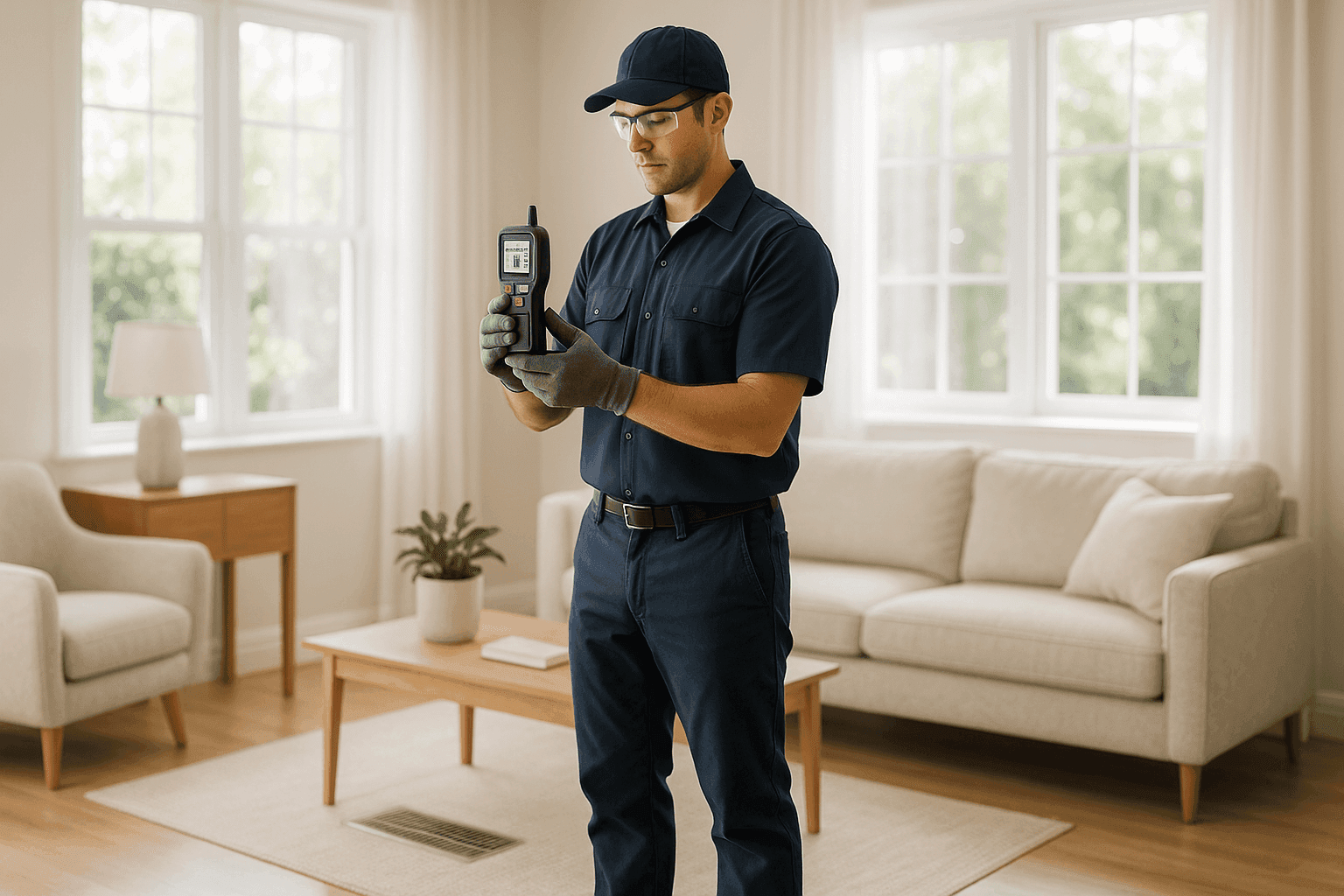
Breathing is automatic. But what we breathe? That’s a choice—one with real effects on health and comfort. At Holmes Heating & Air, we know indoor air quality (IAQ) is more than a buzzword. It’s the invisible foundation of every safe, healthy home and workplace.
You can’t always see what’s in your air, but you can feel it—sometimes as stuffy rooms, headaches, or nagging allergies. The good news? With the right information and solutions, you can take control.
What Is Indoor Air Quality—and Why Does It Matter?
Indoor air quality refers to the cleanliness, freshness, and safety of the air inside buildings. Unlike a single leaky faucet or a noisy AC, IAQ issues can sneak up on you. Think of your air like the water in a fish tank: you can’t have healthy fish in dirty water.
The U.S. Environmental Protection Agency (EPA) and the American Society of Heating, Refrigerating and Air-Conditioning Engineers (ASHRAE) both recognize that poor IAQ can lead to health problems and decrease productivity. For families and businesses alike, it’s crucial to get ahead of the issue.
Common Indoor Air Pollutants 🏠
Invisible troublemakers can turn your home or office into an obstacle course for your lungs. Here are some of the usual suspects:
- Dust: Not just dirt—dust can carry pet dander, pollen, dead skin, and even bacteria.
- Volatile Organic Compounds (VOCs): These are chemicals released from paints, cleaners, furniture, and carpets. They float around unnoticed but can irritate eyes and lungs.
- Mold and Mildew: Like unwelcome guests, they thrive in wet, poorly ventilated spaces and can trigger allergies or asthma.
- Allergens: Pollen, pet hair, and dust mites are the triple threat for anyone with allergies.
- Smoke and Combustion Byproducts: From cooking, fireplaces, or smoking indoors, these can linger and affect breathing.
- Microbes and Viruses: Germs don’t just spread from person to person—they can hang in the air if not filtered out.
The tricky part? These pollutants aren’t always obvious. Sometimes, the cleanest-looking room is the most polluted.
Symptoms of Poor Indoor Air Quality
How do you know if your air isn’t as clean as it should be? Listen to your body—and your building.
- Frequent headaches or dizziness
- Fatigue, especially indoors
- Coughing, sneezing, or throat irritation
- Worsening allergies or asthma
- Dry skin, itchy eyes, or sinus trouble
- Musty or chemical-like smells
If you notice issues that clear up when you leave the building, your IAQ might be the culprit.
Solutions: How to Improve Your Indoor Air Quality
Ready to clear the air? Here’s where to start.
Filtration
A good filter is like a bouncer at the club—only the right stuff gets through. High-quality HVAC filters capture dust, pollen, and even bacteria. Change them regularly, and consider HEPA filters for maximum effect.
Ventilation
Stale air is a recipe for problems. Open windows when possible, use exhaust fans while cooking or showering, and ensure your HVAC system is circulating air efficiently. Air balancing can help ensure every room gets the right airflow.
Humidity Control
Too dry? Too damp? Both spell trouble. Aim for a 30-50% humidity range. Humidifiers add moisture in winter; dehumidifiers pull it out during sticky summers. Balanced humidity makes it harder for mold and dust mites to thrive.
Air Scrubbers
Think of these as air purifiers on steroids. Air scrubbers use advanced technology to remove particles, germs, and odors from the air. They’re especially useful in homes with pets, allergies, or after renovations. Learn more about our air scrubbers.
Routine Cleaning
Vacuum with a HEPA filter. Dust often. Keep pets groomed. The less you let pollutants build up, the less your HVAC has to handle.
Regular HVAC Maintenance
A well-tuned system is your first defense. Schedule HVAC maintenance to catch issues before they affect your air.
Testing Options: Know What You’re Breathing
You wouldn’t drink mystery water. So why breathe mystery air?
DIY Air Quality Monitors
Simple monitors can measure basics like temperature, humidity, and even some pollutants. They offer a quick snapshot but may miss hidden issues.
Certified Professional IAQ Testing
For a deep dive, professional IAQ testing is the gold standard. Certified technicians use calibrated equipment to measure:
- Particle counts (PM2.5, PM10)
- VOC levels
- Carbon monoxide and dioxide
- Mold spores
- Humidity and temperature variations
Best of all, a professional assessment pinpoints the exact sources—and gives you a plan you can act on.
The Benefits of Professional IAQ Assessments
- Pinpoint accuracy: No guesswork—get data you can trust.
- Evidence-based recommendations: Solutions based on industry standards (like ASHRAE 62.1 for ventilation).
- Peace of mind: Know your family, employees, or tenants are breathing safe air.
- Documentation: Useful for insurance, real estate, or compliance needs.
Holmes Heating & Air uses certified tools and follows up-to-date code guidelines to ensure your results are reliable. We’ll never suggest solutions you don’t need.
Quick Safety Checklist
Keep your air safer every day:
- Change HVAC filters every 1–3 months.
- Vacuum carpets and rugs at least weekly.
- Use low-VOC paints and cleaners.
- Run exhaust fans in kitchens and bathrooms.
- Check for leaks—moisture breeds mold.
- Avoid smoking indoors.
Small steps, big difference.
DIY vs. Call a Pro
Some problems you can fix solo: swap a filter, air out a room, wipe down dusty vents. But:
- Mold smells that won’t go away?
- Unexplained coughing or headaches?
- A spike in allergies or asthma?
- Old HVAC system or recent water damage?
That’s when it’s time to call in the pros. We’ll use advanced testing and proven tools to get to the root of the problem.
What Pros Do On Arrival
When Holmes Heating & Air arrives, here’s what to expect:
- Assessment: We ask about your concerns, symptoms, and building history.
- Visual Inspection: Looking for mold, leaks, dust buildup, or blocked vents.
- Instrument Testing: Measuring particles, VOCs, humidity, airflow, and more.
- Results & Recommendations: We explain what we find in clear language, not technical jargon.
- Action Plan: From air scrubbers to improved filtration, we’ll help you choose the right fix.
Everything is based on current code and safety standards.
Prevention & Maintenance
The best fix is avoiding the problem in the first place.
- Schedule seasonal HVAC maintenance.
- Keep vents and returns clear of furniture or drapes.
- Install and maintain air scrubbers for high-traffic or high-allergy homes.
- Run dehumidifiers in basements or crawlspaces.
- Test for radon if you live in a high-risk area (check EPA guidelines).
Remember: clean air is a habit, not a one-time job.
Costs & Time Factors
How much, and how long? It depends.
- Basic filter changes and cleaning: Quick, low cost, often DIY.
- Professional IAQ testing: Takes 1–3 hours, with results in a day or two.
- Major solutions (like air scrubbers or new HVAC parts): Varies by system size and scope—usually a few hours for install.
Investing in IAQ pays off: fewer sick days, better sleep, and a healthier home or office.
When It’s an Emergency
Some IAQ problems can’t wait:
- Carbon monoxide alarm sounds: Leave the building and call emergency services.
- Visible mold spreading fast: Isolate the area and call a pro.
- Strong, persistent chemical odors: Ventilate and evacuate if you feel unwell.
Holmes Heating & Air offers 24-hour emergency service for urgent issues. We’re here when you need us most.
FAQ
How often should I test my indoor air quality?
It’s wise to test annually, or after major renovations, water leaks, or unexplained health symptoms.
Can HVAC maintenance really improve air quality?
Absolutely. A clean, tuned system circulates and filters air better. Think of it like changing the oil in your car—it keeps everything running clean.
Are air scrubbers safe?
Yes, when installed and maintained by professionals. They’re used in hospitals and schools to keep air fresh and clean.
Is this just for homes?
No—businesses benefit, too. Clean air boosts productivity and reduces sick days.
Local and Seasonal Considerations
Seasons change—so does your air.
- Spring and Fall: Pollen and mold spores spike. Change filters often.
- Summer: Humidity rises. Watch for musty smells and run dehumidifiers.
- Winter: Dry heat can irritate skin and lungs. Use humidifiers and check for dry, dusty air.
Local codes may require extra ventilation or filtration in commercial buildings. Ask about current guidelines for your property.
Want to learn more about the specific challenges of your area? Visit our Indoor Air Quality page for details.
Clean air isn’t a luxury—it’s a necessity for healthy living. Whether you’re a parent, a business owner, or just want to breathe easier, Holmes Heating & Air can help you take the next step toward a healthier indoor environment.
Call Holmes Heating & Air now — or reach us anytime at 888-835-0228 .