Whole-House Fans: Energy-Saving Cooling for Every Season
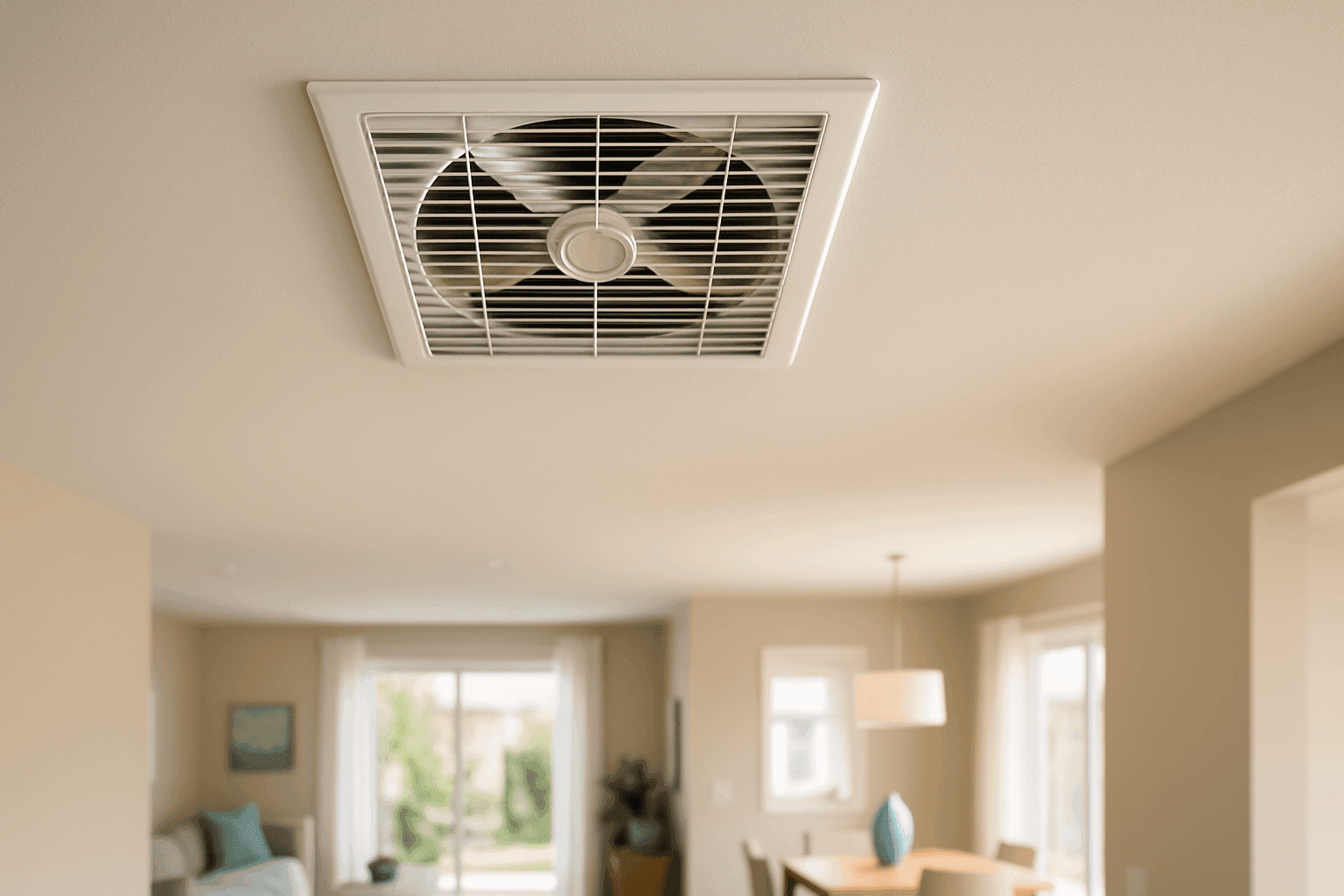
Is your space stuffy, even when the AC is running? Ever feel like you're cooling the whole neighborhood–except your own living room? When comfort and utility bills clash, it's time for a smarter solution.
At Holmes Heating & Air, we help residential and commercial clients find cooling options that don’t break the bank. Whole-house fans are one of those underrated heroes. Let’s pull back the curtain on what they do—and why they might just be your next energy-saving upgrade.
How Whole-House Fans Work 🌬️
Imagine opening every window on a breezy evening. Now, add a turbo boost. That’s the effect of a whole-house fan. Unlike air conditioners, which recycle and chill indoor air, whole-house fans pull cool outdoor air inside and push hot air up and out through attic vents.
Here’s how it plays out in real life:
- You open a few windows in the coolest part of the day—early morning or evening.
- Flip on the fan, usually mounted in a central hallway ceiling.
- The fan draws fresh outside air through the living and workspaces.
- Simultaneously, it forces the hot, stale air up into the attic and out of the building.
Where AC is like a fridge—chilling and recirculating air—a whole-house fan is more like a fresh breeze sweeping through. It’s instant, natural, and can make your home or business feel refreshed in minutes.
The Benefits of Whole-House Fans
Why do so many homeowners and business owners turn to whole-house fans? Let’s break it down:
1. Serious Energy Savings
Running an air conditioner for hours chews through electricity. Whole-house fans use a fraction of the power, helping cut summer utility bills dramatically. According to the U.S. Department of Energy, whole-house fans can reduce cooling costs by up to 90% in certain climates.
2. Improved Air Exchange
Indoor air can get stale—fast. Whole-house fans cycle in fresh air, pushing out dust, odors, and indoor pollutants. Better air quality means better comfort for everyone, and it’s ideal for people with allergies or sensitive noses.
3. Rapid Cooling
Got a stuffy home office or a warehouse that feels like an oven? Whole-house fans can drop indoor temperatures swiftly—sometimes by as much as 10 degrees within minutes.
4. Extended AC Life
By relying less on air conditioning, you’re giving your HVAC system a break. That means fewer repairs and a longer lifespan for your unit.
5. Flexible for Homes and Businesses
Whether you have a single-family home, a duplex, or a commercial property, whole-house fans scale to fit your needs. They’re especially helpful in spaces with high ceilings or large open areas.
Installation Tips for Whole-House Fans
Whole-house fans aren’t plug-and-play like a box fan. Proper installation is key for safety, efficiency, and comfort.
Considerations before installing:
- Attic Venting: The attic must have enough vents so hot air can escape. Building codes (like those from the International Residential Code) specify minimum venting requirements. Skimp here, and you risk attic overheating.
- Size Matters: Choose a fan sized for your building’s square footage. Too small, and you won’t move enough air. Too large, and you might create uncomfortable drafts.
- Electrical Safety: Whole-house fans require dedicated wiring. A licensed HVAC technician or electrician should handle the electrical work.
- Location: The fan should be centrally located, usually in a main hallway or common area, to maximize airflow throughout the building.
For both residential and commercial installations, Holmes Heating & Air provides licensed, code-compliant service. Our techs guide you from selection to final testing, ensuring your system is safe and efficient.
Thinking about installation? Visit our Whole-House Fans near Miami Lakes, Florida page for solutions local to you.
Maintenance: Keep Your Fan Running Smooth
A whole-house fan is a workhorse, but it pays to show it some love.
Simple maintenance steps:
- Clean the Fan Blades: Dust and debris collect quickly. Turn off power, then use a damp cloth.
- Check the Motor: Listen for unusual noises. Squeaks or grinding mean it’s time for a tune-up.
- Test the Shutters: Make sure they open and close smoothly. Sticking shutters block airflow.
- Inspect Attic Vents: Clear blockages—birds’ nests, insulation, or leaves can limit ventilation.
A yearly checkup from a trusted HVAC team like Holmes Heating & Air keeps things running safely and efficiently.
When to Choose a Whole-House Fan
Whole-house fans shine when:
- You want to save on energy bills but still keep your space cool.
- You live or work in an area with cool nights or mornings.
- Indoor air quality and fast air exchange matter (think: allergies, strong cooking odors, or chemical fumes from commercial operations).
- You want to extend the life of your air conditioning system.
However, if your building stays hot all day and night or you’re dealing with humid climates, you may want to pair a whole-house fan with other cooling strategies—like Mini-Splits near you for targeted cool-downs.
Residential and Commercial Applications
Whole-house fans aren’t just for homes. Offices, retail stores, workshops, and even warehouses can benefit. For larger buildings, multiple fans or zoned systems may be installed for balanced airflow.
Considerations for commercial spaces:
- Larger fans or multiple units may be needed.
- Airflow patterns must be evaluated—Holmes Heating & Air uses airflow modeling and IAQ testing to ensure effectiveness.
- Compliance with OSHA and local building codes is essential.
Licensed Installation, Safety, and Warranty
Safety is non-negotiable. Our installers are fully licensed and up-to-date on the latest codes and best practices. We follow manufacturer guidelines and relevant safety standards, such as those from the National Fire Protection Association (NFPA) and Occupational Safety and Health Administration (OSHA) for commercial sites.
Most whole-house fans come with a manufacturer’s warranty—Holmes Heating & Air ensures all paperwork and system registration are handled at installation.
Practical Tips for Everyday Use
- Run the fan only when outside air is cooler than inside.
- Open windows in rooms you want to cool—close doors to unused spaces for faster results.
- Never run the fan with attic vents blocked, as this can cause overheating.
- Use with ceiling fans for even greater air movement.
- Schedule ventilation system maintenance annually to ensure optimal airflow and efficiency.
Frequently Asked Questions
How is a whole-house fan different from an attic fan?
An attic fan only moves air out of the attic. A whole-house fan circulates fresh air through your entire living or working space, then exhausts it through the attic.
Can I use a whole-house fan with my air conditioner?
Yes, but never at the same time. Whole-house fans are best used when the AC is off and outside air is cool.
Are these fans noisy?
Modern fans are much quieter than older models. Professional installation ensures minimal vibration and sound.
Is there a risk of carbon monoxide with a whole-house fan?
If you have gas appliances, turn them off before running the fan. Drawing air from the outside can backdraft fumes if not properly ventilated.
Local and Seasonal Factors
Florida’s warm evenings make whole-house fans a solid choice for much of the year. In drier climates, they’re even more effective. For homes or businesses in humid regions, consider pairing with dehumidifiers or using during off-peak hours.
Regulations and rebate programs vary—Holmes Heating & Air stays current on local codes so your installation goes smoothly.
Ready to bring a fresh breeze into your space? Whether you’re planning for a home, office, or retail shop, Holmes Heating & Air is here to help with safe, professional installation and maintenance.
Call Holmes Heating & Air now — or reach us anytime at 888-835-0228 .