Why Sheet Metal Quality Makes or Breaks Commercial HVAC
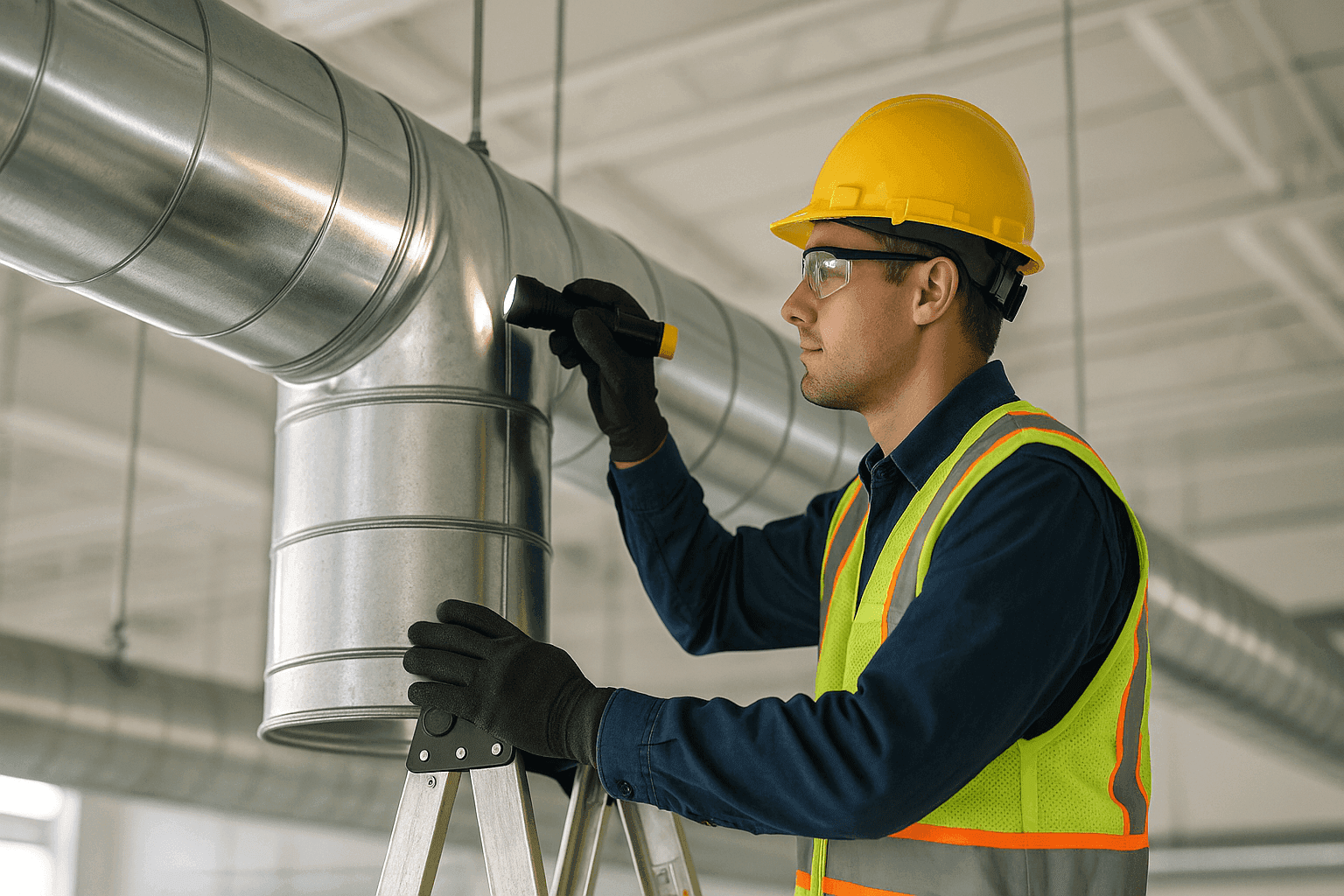
When you walk into a comfortable office, hotel, or retail shop, good air just feels right. But behind the scenes, it’s the hidden veins and arteries—the sheet metal ductwork—that keep air flowing, clean, and efficient. In commercial buildings, the quality of that sheet metal can mean the difference between smooth sailing and endless headaches.
At Holmes Heating & Air, we see firsthand how a well-built, well-installed system saves money, improves comfort, and meets strict codes. Let’s break down why sheet metal is the backbone of commercial HVAC—and what you should demand for your business.
Sheet Metal in Large HVAC Systems
Think of your HVAC system as the body, and sheet metal as the circulatory system. Every vent, every duct branch, every plenum has a job: moving air where it’s needed, without leaks or wasted energy.
In big spaces—schools, offices, restaurants—air doesn’t just travel a few feet. It twists, turns, and splits. Sheet metal ductwork must be strong enough to handle air pressure, yet precise enough to fit tight spaces. Commercial systems face heavier demands than home systems, from higher airflow rates to strict building codes.
What Makes Sheet Metal So Critical?
- Airflow: Proper sizing and smooth bends keep air moving efficiently.
- Fire Safety: Sheet metal acts as a fire barrier. It must meet National Fire Protection Association (NFPA) and local code standards.
- Indoor Air Quality: Leaky or dirty ducts can spread dust, mold, or fumes.
- Noise Control: Quality metal and insulation keep your workspace quiet.
- Maintenance Access: Smart layouts and access panels make cleaning and repairs possible.
When sheet metal is subpar, everything suffers—energy bills, comfort, even safety.
How Sheet Metal Quality Impacts Performance ⚡
Ever tried to sip a thick milkshake through a tiny straw? Poor sheet metal design is like that—airflow slows, pressure builds, and the system strains.
Here’s what happens when quality slips:
- Leaky Joints: Even small gaps or weak seams leak air, forcing your HVAC to work harder.
- Rust or Corrosion: Cheap metals or poor coatings break down fast, risking contamination.
- Warped or Bent Ducts: Thin or poorly fabricated ducts can sag, rattle, or even collapse.
- Difficult Maintenance: If panels are missing or hard to open, cleaning and repair become expensive.
A study by ASHRAE (American Society of Heating, Refrigerating and Air-Conditioning Engineers) shows that duct leakage alone can waste up to 30% of a system’s energy. That’s money blown away—literally.
Upgrades and Repairs: When Is It Time?
Commercial ductwork isn’t immortal. Over years of heating, cooling, and vibration, even the best ducts need attention.
Signs You Need Sheet Metal Upgrades
- Uneven heating and cooling across your building
- Visible rust, corrosion, or dents
- Strange odors or dust coming from vents
- Rising energy bills with no clear cause
- Frequent HVAC breakdowns—especially blower or airflow problems
Routine inspection is key. Our technicians look for these issues on every maintenance visit, using tools and visual checks.
Many problems can be fixed with targeted repairs—like resealing joints or replacing damaged sections. But sometimes, a full upgrade is the smart move, especially if your system is decades old or was never built to modern code.
Choosing the Right Sheet Metal Fabricator 🏗️
Not all sheet metal is created equal. And not all fabricators have the same skills or tools.
What to Look For
- In-House Fabrication: Shops like ours control quality from start to finish, custom-building parts for your exact layout.
- Experienced Technicians: Commercial jobs require precision and code know-how.
- Material Selection: Galvanized steel, aluminum, stainless—for different needs and budgets.
- Welding and Sealing: Proper joints mean fewer leaks and longer life.
- Code Compliance: Knowledge of NFPA, SMACNA (Sheet Metal and Air Conditioning Contractors’ National Association), and local codes is non-negotiable.
Ask to see samples. Ask about past commercial projects. At Holmes Heating & Air, our in-house shop means faster turnarounds and tighter quality control—so you get what you need, when you need it.
Practical Tips for Long-Lasting Ductwork
- Schedule regular inspections—at least once a year.
- Keep ducts clean with professional duct cleaning services.
- Upgrade insulation to reduce heat gain/loss and prevent condensation.
- Seal and insulate any exposed sheet metal, especially in attics or crawl spaces.
- Don’t ignore odd smells or noises—these can signal hidden duct issues.
If you’re considering a new build or major renovation, involve your HVAC team early. Custom sheet metal work pays off in energy savings and fewer headaches down the road.
Sheet Metal Safety Checklist
- Are all ducts free of visible rust or corrosion?
- Are access panels secure but easy to open for cleaning?
- Do all joints appear sealed, with no gaps or holes?
- Does the system meet the latest code requirements? (Check with your local building department or reference SMACNA standards.)
- Is there insulation where required to prevent condensation and heat loss?
If you answer “no” to any of these, it’s time for a pro check-up.
When to Upgrade or Repair Ductwork
DIY fixes rarely last in commercial systems. Tape and “quick patches” can lead to bigger problems. Here’s when to call in Holmes Heating & Air:
- Airflow complaints from tenants or employees
- Persistent dust or allergen problems
- After fire, flood, or major renovations
- Visible damage during routine filter changes
We use industry-standard methods and materials, so your investment lasts.
Why Pros Matter: What Our Technicians Do
When you call us for a sheet metal concern, here’s what happens:
- Thorough inspection: We check every inch for leaks, damage, and code compliance.
- Airflow testing: Tools like manometers and smoke pencils spot pressure drops or leaks.
- Custom solutions: Our in-house fabricators build or retrofit ducts to fit your space—no compromises.
- Documentation: We provide reports—photos, recommendations, and compliance notes—so you have a record for insurance or city inspectors.
- Cleanup: We leave your space tidy, so you can get back to business.
Prevention & Maintenance: Protect Your Investment
A little attention now saves a lot of hassle later. Here’s how to keep your sheet metal and HVAC humming:
- Change filters on schedule—clogged filters strain ductwork.
- Ask about HVAC maintenance plans for regular tune-ups.
- Have ducts cleaned every few years, or sooner if you notice dust or allergy issues.
- After any building project, have your ducts inspected for debris or accidental damage.
- Consider an Indoor Air Quality (IAQ) test if you suspect mold or contaminants.
Costs & Time Factors
Every building is different. Costs depend on size, accessibility, and material choices. For context:
- Basic repairs: Usually take a few hours to a day.
- Full upgrades: Can range from several days to weeks, depending on project scope.
- Downtime: Good planning and off-hours work keep your business running.
Remember, quality sheet metal work pays for itself in lower energy bills and fewer headaches. Cutting corners here almost always costs more in the long run.
When It’s an Emergency
Sudden loss of airflow? Strange noises? If your HVAC system shuts down or blows contaminated air, that’s urgent. Holmes Heating & Air offers 24/7 emergency service—because comfort and safety can’t wait.
If you ever smell smoke or see visible sparks, evacuate and call emergency services before calling your HVAC provider.
FAQ: Sheet Metal & Commercial HVAC
Why not just use flexible ducting?
Flexible duct has its place—for short runs or tight spots. But in commercial systems, metal is stronger, safer, and lasts much longer.
How often should commercial ducts be cleaned?
ASHRAE recommends inspection every year, cleaning as needed—more often for restaurants or healthcare.
Can old ducts be relined?
Sometimes, yes. But often, replacement is more reliable and cost-effective, especially if there’s rust or code issues.
How do I know if my ducts meet code?
Ask your HVAC provider for documentation, and check with your local building department about current requirements.
Local & Seasonal Considerations
Every region has its quirks. In humid climates, condensation is a big risk—insulation and vapor barriers matter. In dry, dusty areas, keeping sheet metal clean is key. And if you’re in Anderson, South Carolina Sheet Metal, you know that both summer heat and winter chills put your HVAC (and sheet metal) to the test.
Seasonal maintenance—before peak heating or cooling—keeps problems from sneaking up when you need comfort most.
Quality sheet metal is the foundation of any high-performing commercial HVAC system. Don’t leave comfort, safety, or efficiency to chance. Holmes Heating & Air brings decades of real-world experience, an in-house fabrication shop, and a commitment to doing the job right.
Call Holmes Heating & Air now — or reach us anytime at 888-835-0228 .